- Mali dropped from U.S. visa bond list after swift retaliation
- Analysts say Trump’s move driven by security interests in the Sahel
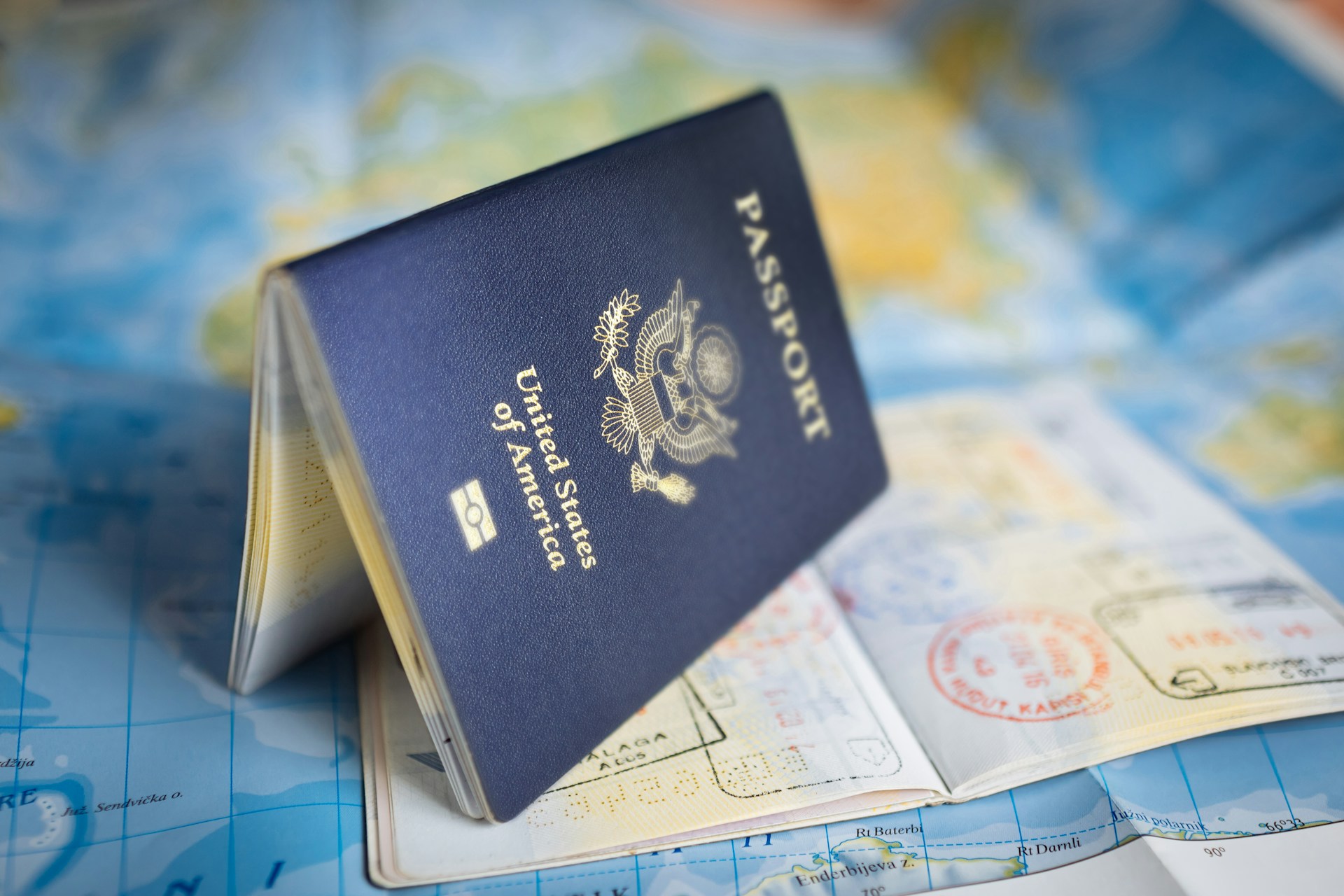
BAMAKO, MALI – Mali’s firm diplomatic pushback appears to have paid off. Just two weeks after the United States required Malian visitors to post refundable bonds for visas, the West African country was quietly removed from Washington’s list.
The U.S. State Department’s revised list, released on October 23, now limits the controversial policy to citizens of Malawi, Zambia, The Gambia, Tanzania, Mauritania, and São Tomé and Príncipe – all deemed high-risk for visa overstays. Mali’s absence marks a striking reversal.
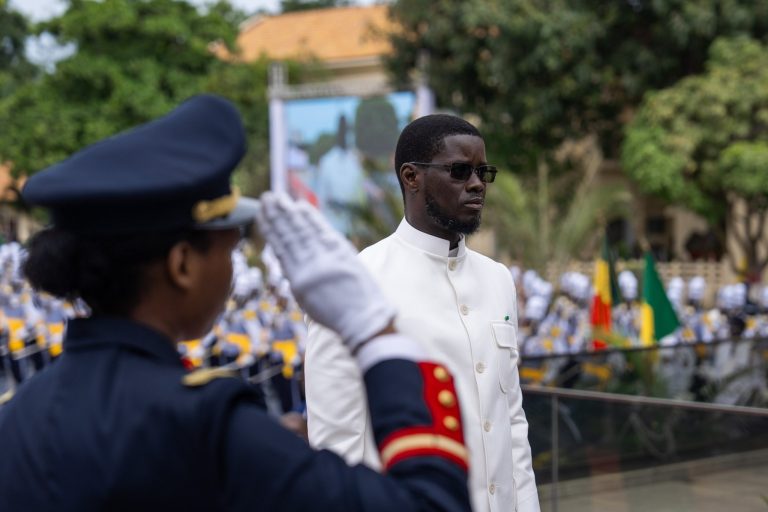
Mali, led by Colonel Assimi Goita, was the only country to reciprocate Washington’s visa bond rule, announcing it would impose similar conditions on Americans.
“In accordance with the principle of reciprocity, Mali has decided to implement an identical visa program,” the country’s Foreign Ministry declared, condemning the U.S. decision as “unilateral” and “a breach of long-standing visa agreements” dating back to 2005.
A bold move with swift results
Mali’s retaliation stood out across Africa, where most governments opted for silence or diplomacy.
“Mali’s strong response was a significant departure from that trend, with almost instant results,” said Akinyele Oyebanji, who teaches international relations at the University of Abuja. “It also reflects the transactional nature of Trump’s international relations.”
Analysts say the U.S. reversal was less about diplomacy and more about strategic necessity. Following the closure of its military base in Niger last year, Washington views Mali as a crucial foothold in the Sahel, where jihadist groups linked to Islamic State and al-Qaeda are active. Goita himself received U.S. special forces training before seizing power — a fact not lost on American policymakers now seeking to maintain influence in the region.
But even as Mali celebrated a diplomatic win, Washington’s broader immigration posture under President Donald Trump showed no sign of softening. On October 30, the administration announced a 97% cut in refugee admissions from Africa, reserving most of the 7,500 remaining slots for white South Africans.
“Let’s call this what it is — white supremacy disguised as refugee policy,” said Guerline Jozef, executive director of the Haitian Bridge Alliance.
For many in Africa, Mali’s experience offers a lesson in leverage.
“The message to other African leaders is clear — Trump’s America-first agenda only respects strength,” said Oyebanji. “Mali stood its ground, and it worked.”
As the geopolitical chessboard in the Sahel shifts, Bamako’s calculated defiance could reshape how Africa negotiates with Washington — one firm visa policy at a time.