Search

IMF wants Nigeria to hike taxes. Who really pays the price?

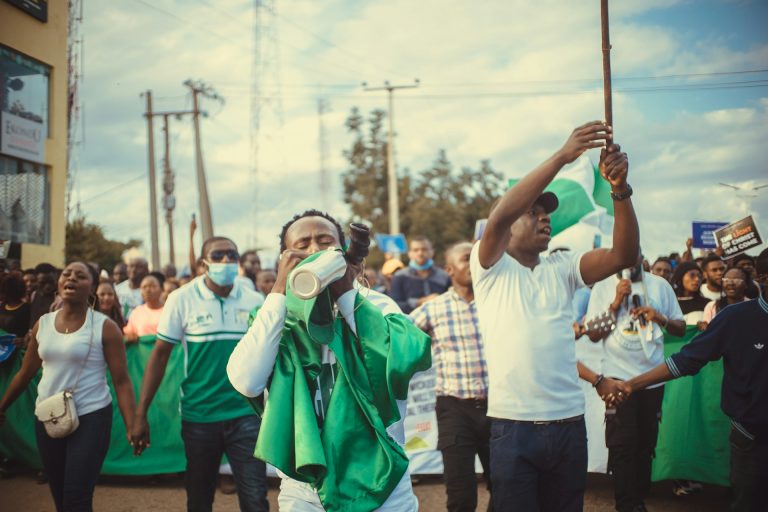
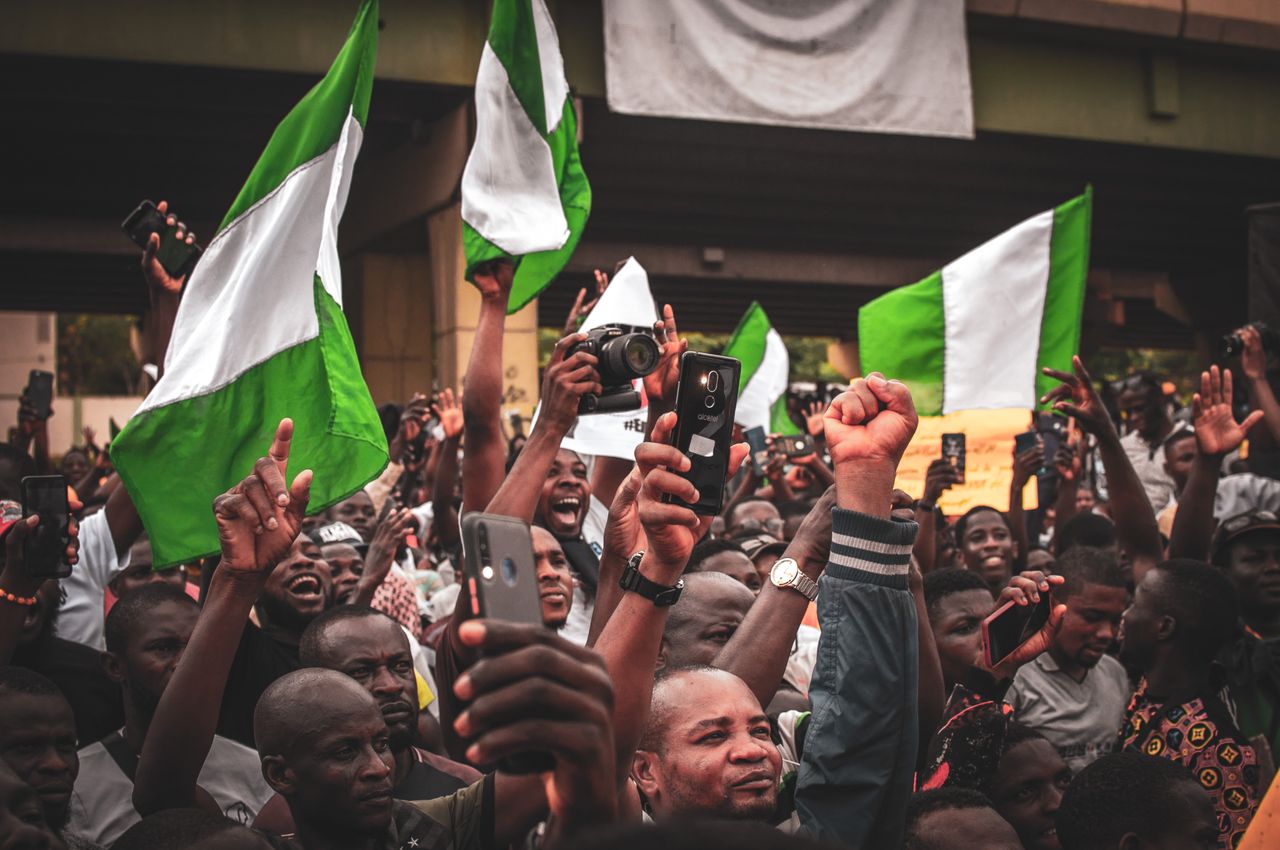
A lively street protest in Nigeria with activists waving flags and holding signs. Photo by Tope J. Asokere @Pexels
  • Nigeria’s tax-to-GDP ratio of 13.5% is among the world’s lowest
  • Economists say millions have not recovered from subsidy removal


ABUJA, NIGERIANigeria has just completed one of the most ambitious fiscal overhauls in its recent history. Petrol subsidies have gone. The foreign exchange market has been liberalised. New tax laws took effect in January to simplify administration and broaden the revenue base.

This article is free to read.

Sign up for free or sign in to continue
reading. Unlike our competitors, we don't force you to pay
to read the news but we do need your email address to
make your experience better.

Create your free account or sign in


Recent Business

Cocoa pod and beans outdoors. Photo by Ákos Helgert @ Pexels
How Nigeria's cocoa strategy could end decades of oil dependence
Read More »
A vibrant display of traditional dance in Botswana. Photo by Xitsundzuxo Himina @ Pexels
Why Botswana’s inflation surge signals wider risks for commodity economies
Read More »
Molten metal pouring from ladle in industrial foundry. Photo by Bence Szemerey @Pexels
Can Kipushi’s zinc boom in Congo redraw Africa’s commodity power balance?
Read More »

Recent Politics

Chief Executive of Dangote Industries Limited, Aliko Dangote. Photo: Dangote Industries LinkedIn/Water Forward Event
How Dangote's $11.6bn pledge reshapes Africa's billionaire succession model
Read More »
A vibrant city street in Mali. Photo by Faruk Tokluoğlu @ Pexels
Is Mali's debt strategy becoming West Africa's biggest gamble?
Read More »
Urban Johannesburg, South Africa. Photo @ Pixabay
Can $1.5bn World Bank loan revive South Africa's stalled economy?
Read More »

Latest Posts

Latest news insights