- CPI climbs to 7.3% in September, up from 7.1% in August
- Food, housing and transport prices continue to pressure consumers
KIGALI, RWANDA – Rwanda’s Consumer Price Index rose to 7.3% year-on-year in September 2025, up slightly from 7.1% in August, driven by higher prices for food and energy, according to latest official figures.
The modest rise marks a continuation of cost pressures that have kept living expenses elevated for millions of Rwandans. Officials of the National Institute of Statistics of Rwanda said food and non-alcoholic beverages increased 4.2 percent annually and 1.3 percent monthly, reflecting persistent supply challenges.
Alcoholic drinks, tobacco and narcotics rose 15 percent year-on-year and 1.6 percent month-on-month, underscoring price volatility in discretionary spending categories.
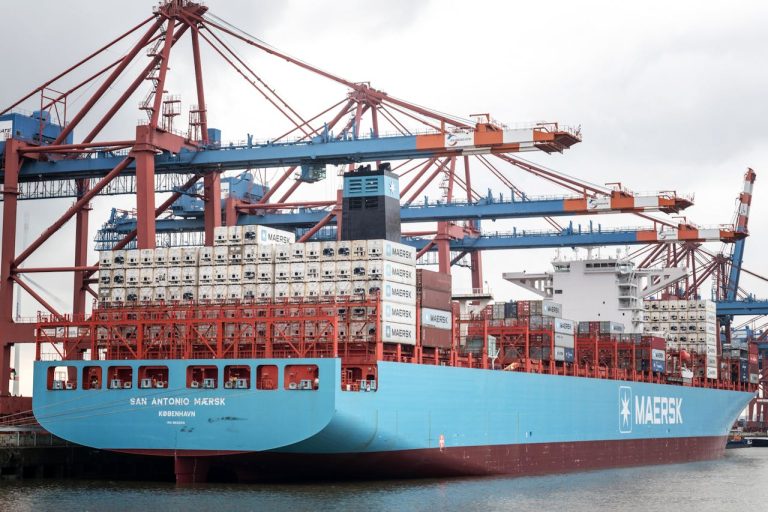
Rwanda has long faced comparatively higher food prices than its East African neighbours, largely due to prolonged droughts and its landlocked geography, which makes transportation of goods from coastal ports such as Mombasa in Kenya and Dar es Salaam in Tanzania both long and costly.
Climate strain and local pressures
The National Institute warned that irregular rainfall patterns this season could worsen food inflation. “Some parts of the country are experiencing inconsistent rains while others are getting sufficient rains,” the agency noted, signalling uneven agricultural output ahead of the next harvest.
Housing, water, electricity, gas and other fuels rose 4.1 percent year-on-year and 1.9 percent monthly, while health costs surged by 71.1 percent compared with a year earlier, though they remained stable on a month-to-month basis. Transport costs climbed 8.6 percent annually and 1.7 percent monthly, mirroring global fuel market fluctuations.
Restaurants and hotels saw a 17.7 percent annual increase, though prices dipped 0.1 percent month-on-month — a sign of stabilisation in the service sector after earlier spikes.
The data also showed that locally produced goods rose 6.5 percent year-on-year, while imported products jumped 9.5 percent, reflecting the broader impact of global supply chain pressures and currency fluctuations.
Fresh products increased 3.3 percent year-on-year and 1.8 percent monthly, while energy costs were up 4.5 percent and 0.4 percent respectively. When excluding fresh products and energy, the general index climbed 8.9 percent year-on-year and 1.3 percent monthly, underscoring the broad-based nature of inflation across most consumer categories.
Rwanda’s government has pledged continued monitoring of food and energy markets as households grapple with cost-of-living pressures that have persisted since the pandemic and global commodity shocks.
Analysts say a mix of climate resilience, regional trade facilitation, and domestic production incentives will be crucial to easing inflationary risks in the months ahead.