- Youth protests over poor living conditions shake Morocco’s stability
- Gen Z activists challenge monarchy’s priorities amid economic strain
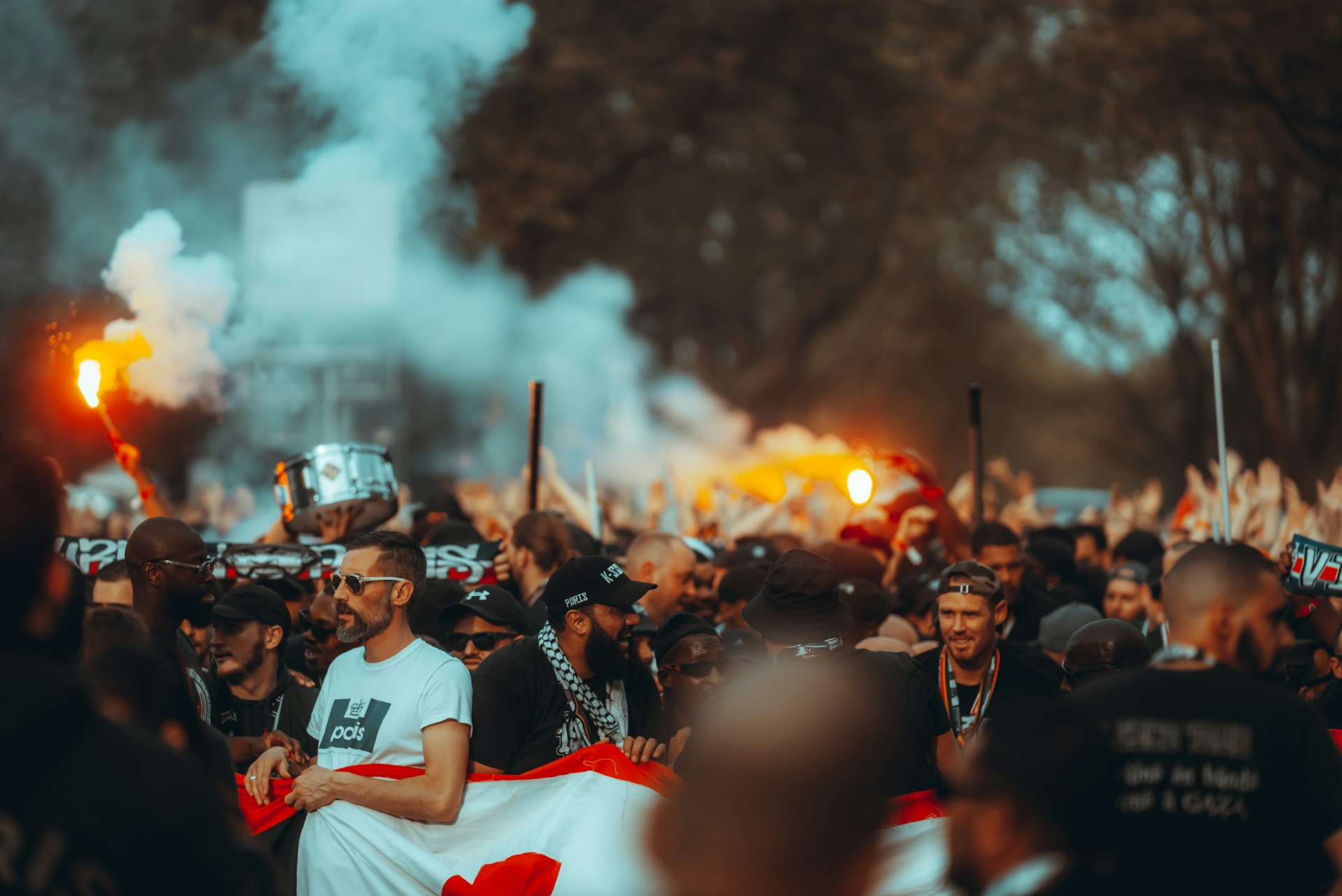
RABAT, MOROCCO – Youth-led protests over poor living conditions and government priorities jolted Morocco last week, exposing growing frustration with the monarchy’s leadership and raising questions about the kingdom’s future stability.
The demonstrations, organised by an anonymous online group called GenZ212, erupted after public anger over what protesters described as misplaced government spending – notably, investing in stadiums for the 2030 World Cup while hospitals and schools remain underfunded.
The immediate trigger came after eight women died in quick succession at a hospital in Agadir, an incident widely viewed as emblematic of the country’s faltering healthcare system.
At least three people were killed when protesters tried to storm a military base, and more than 400 were arrested, authorities said. It was the most serious unrest in Morocco since the Arab Spring uprisings of 2011, shaking the country’s image as one of North Africa’s most stable states.
“Unfulfilled economic development plans were likely lost to higher-priority, shorter-term necessities,” said Intissar Fakir, a research fellow at the Middle East Institute. “The rising costs of food, housing and transportation turn abstract concerns about healthcare and education into a chronic apprehension.”
A modern economy, but uneven progress
Morocco has, in recent years, positioned itself as an industrial and infrastructure hub for Africa and Europe. The country has invested heavily in high-speed rail, solar energy, and automobile and aviation manufacturing.
Official data show that in the first 10 months of this year, aviation exports reached $2.1 billion, while more than 350,000 cars were produced in Tanger Med and Casablanca. Renewable energy now accounts for 44% of Morocco’s electricity mix.
The government has also pursued strategic partnerships, including a $25 billion natural gas pipeline project with Nigeria aimed at supplying Europe.
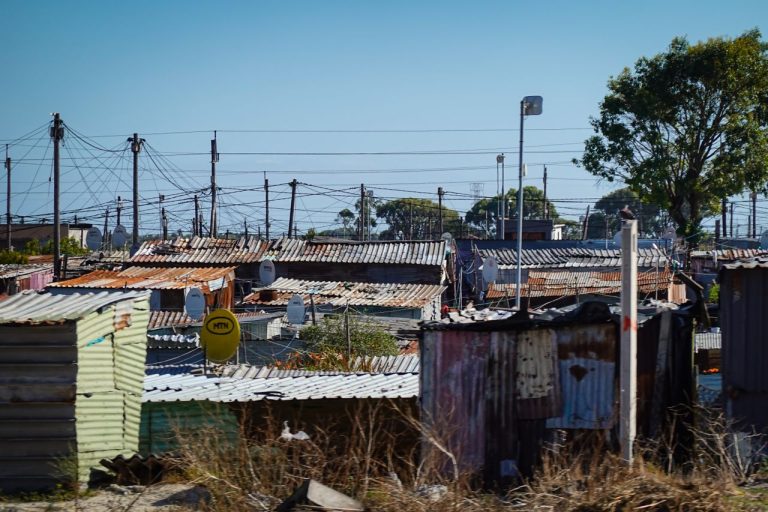
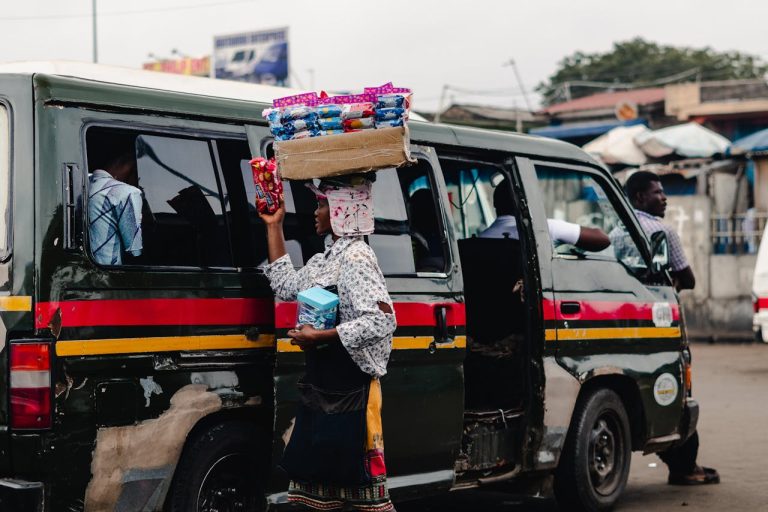
But despite this progress, many Moroccans say such achievements have not translated into better public services. The protests highlighted widespread discontent with poor healthcare, underfunded education, and high living costs. Demonstrators carried placards reading: “We don’t want the World Cup, we want health care!”
To calm tensions, the government announced a new pact among key institutions to combat corruption — one of the demonstrators’ central demands. The deal “reflects Morocco’s determination to strengthen its internal front against corruption,” a government statement said.
Yet analysts warn that the crisis may signal a deeper shift. The protests were organised without identifiable leaders, coordinated instead through the social media app Discord – a decentralised structure that caught authorities off guard.
The monarchy faces a delicate moment as King Mohammed VI begins preparing his son, Crown Prince Moulay Hassan, as his successor. The recent unrest, analysts say, underscores the risk of future leaderless movements challenging royal authority.
“The protesters’ demands will require sustained investment over long timelines before results become visible,” Fakir said. “But political pressure demands visible progress now – or a government plan that demonstrators will find credible.”
While calm has returned to Morocco’s streets, the discontent that fuelled the protests remains unresolved, leaving the monarchy facing an uneasy test of its social contract with the nation’s restless youth.