- NNPC says the 6,000-km project will link 13 West African nations
- The $25bn line aims to transport 1 trillion cubic feet of gas annually to Morocco and Europe
ABUJA, Nigeria – Nigeria’s state oil company says a planned multibillion-dollar natural gas pipeline to Morocco and Europe will be built in two phases, in one of the continent’s most ambitious energy projects.
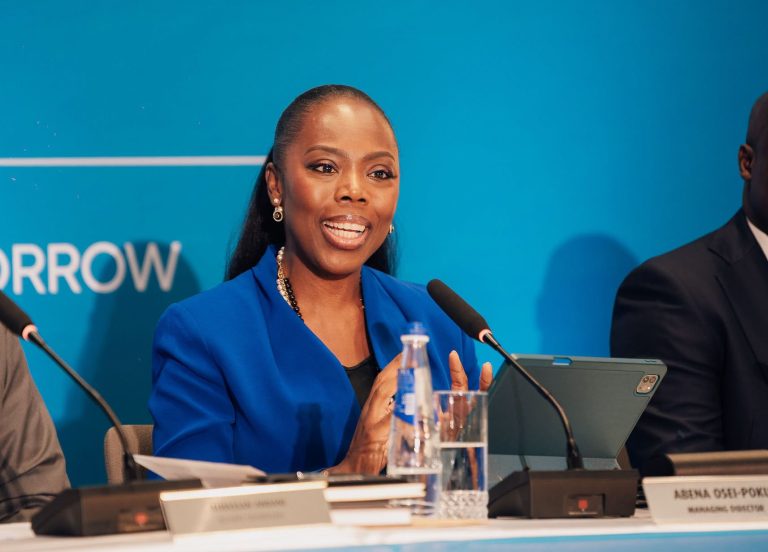
Bayo Ojulari, group chief executive officer of the Nigerian National Petroleum Company Ltd. (NNPC), said the project had overcome early challenges and was now on track.
“When we started, we faced challenges with alignment, payments, and collaboration, but today the framework is working,” Ojulari said at a forum of the African Petroleum Producers’ Association, according to an NNPC statement. “The plan is to extend the pipeline to Côte d’Ivoire as the first phase, and ultimately to Morocco.”
A regional lifeline
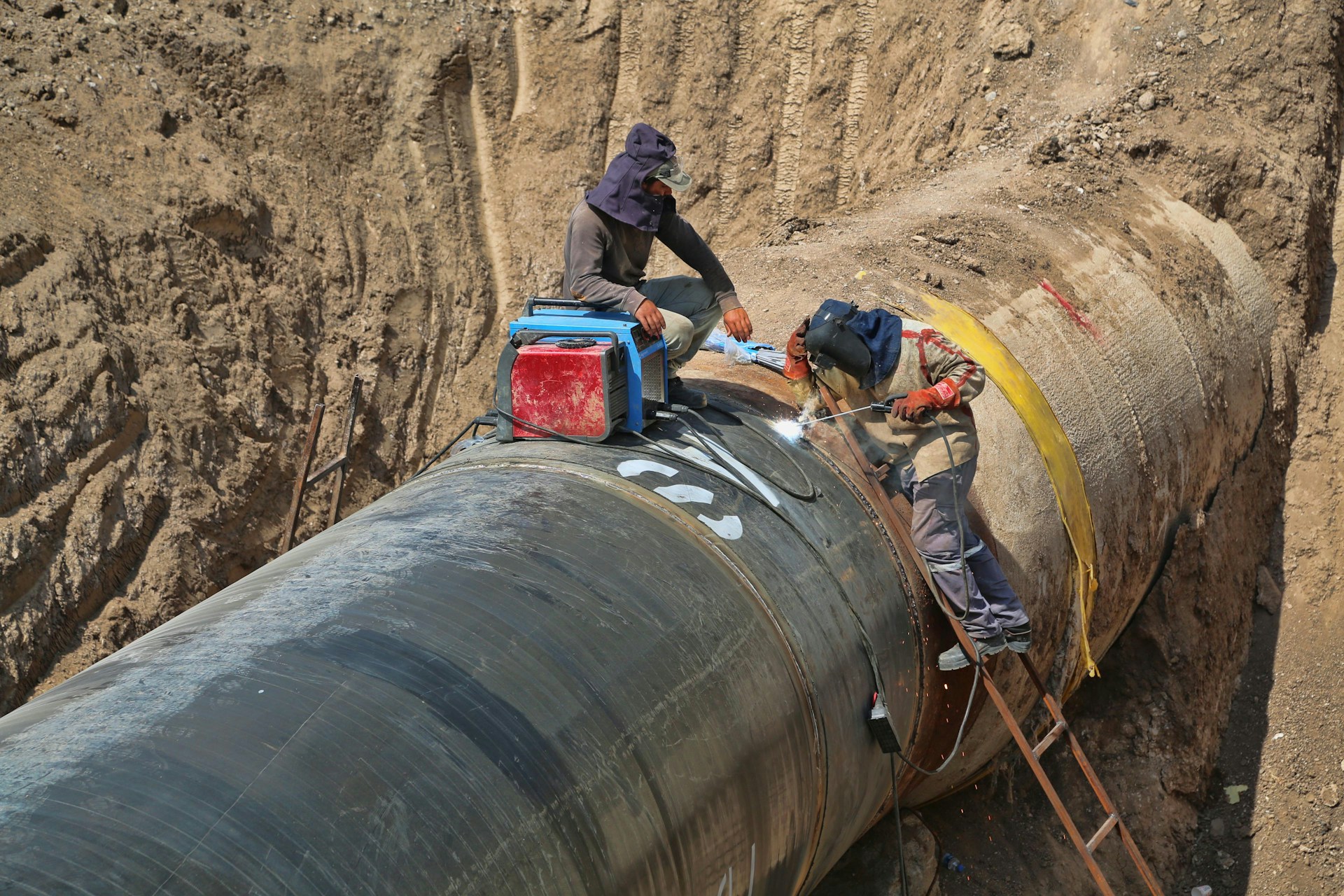
The 6,000-kilometre Nigeria-Morocco Gas Pipeline, estimated to cost $25 billion, will originate in Brass in Nigeria’s Niger Delta and connect 13 coastal West African states. It will also link landlocked nations including Mali, Burkina Faso and Niger before reaching Morocco, where it will tie into an existing pipeline to Europe.
On completion, the line is expected to transport more than 1 trillion cubic feet of gas annually, unlocking reserves across the region. Nigeria, Africa’s largest oil exporter, holds proven natural gas reserves of 210 trillion cubic feet, with a further 600 trillion cubic feet anticipated from offshore discoveries.
Significant deposits have also been found along West Africa’s coastline, and the pipeline is seen as a vehicle to monetise resources that would otherwise remain stranded.
Morocco’s Energy Transition Minister Leila Benali said in August that construction would begin with a $6 billion section linking the northern town of Nador to Dakhlab in the south, in Western Sahara.
Funding and global interest
The project has attracted backing from the United Arab Emirates, the European Investment Bank, the Islamic Development Bank and the OPEC Fund. Nigeria’s Finance Minister Wale Edun told reporters at the World Bank and IMF Spring Meetings in Washington that U.S. investors had also expressed interest.
A 2017 feasibility study projected the project could take 25 years to complete, with full commissioning expected in 2046. When finished, it would be the world’s longest offshore pipeline.
Supporters say the pipeline will deliver electricity to more than a million people, boost industrial activity, create jobs and deepen Africa’s integration with the global economy. It is also expected to elevate the continent’s geopolitical weight by strengthening its role as a key supplier of energy to Europe.