- Ghana’s currency appreciated 40.7% against the US dollar in 2025, boosting investor confidence
- The rebound is attributed to improved macroeconomic indicators and higher exports
ACCRA, GHANA – Ghana’s local currency, the cedi, has recorded a significant rebound against major international currencies in the first seven months of 2025, signalling a turnaround in the country’s macroeconomic fortunes.
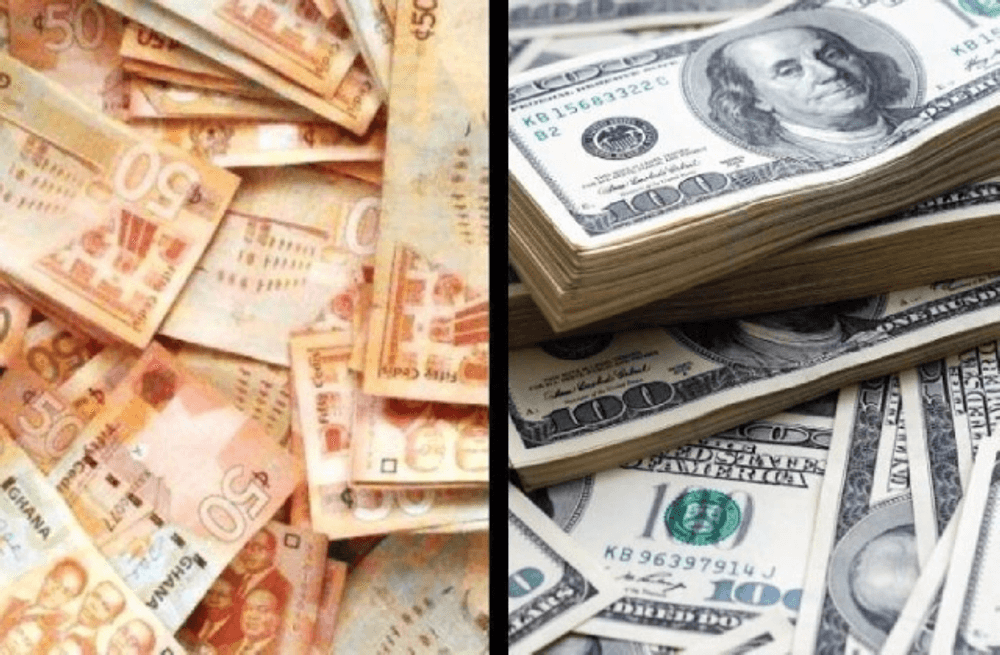
According to the Bank of Ghana’s latest Summary of Economic and Financial Data released for the period ending July 2025, the cedi appreciated by 40.7% against the U.S. dollar year-to-date. It traded at approximately GH¢10.45 to the dollar on the interbank market in July, strengthening from about GH¢15 at the start of the year.
The cedi had already gained strong momentum earlier, appreciating by 43% in May and 42.6% in June against the dollar. Its strength continued across other major currencies as well.
Against the British pound, the cedi appreciated by 30.3% in June and 31.2% by July year-to-date, with the exchange rate standing at GH¢14.02. The euro also saw similar trends, with the cedi gaining 25.6% in June and 24.2% in July, trading at GH¢12.11 and GH¢12.25 respectively.
The currency’s performance remained resilient over the past two weeks, closing at a mid-rate of GH¢10.48 per U.S. dollar on the interbank market, reflecting only a marginal depreciation of 0.47% during that period.
What is causing the appreciation?
Ghana’s Finance Minister, Dr. Ato Forson, attributed the appreciation to a combination of factors including improved macroeconomic fundamentals, increased export revenues, and renewed investor confidence.
“The cedi’s appreciation is already translating into tangible benefits for citizens, with marginal declines observed in the prices of certain imported goods, contributing to overall price stability,” Forson told lawmakers.
The strengthening cedi is expected to have widespread impact across various sectors. It reduces import costs, helps lower inflation, and increases consumer purchasing power. For businesses, a stable and appreciating currency lowers the cost of importing raw materials and machinery, creating a more predictable environment for investment.
Joe Jackson, Chief Executive Officer of Dalex Finance, also praised the turnaround.
“The situation is good. We are in a good space,” Jackson told Allen Dreyfus. “We are in a good space because the stars aligned for us and, better still, because of our internal commitments and discipline that we’ve shown this year.”