- Samia Suluhu sworn in after disputed Tanzania election
- Analysts warn legitimacy crisis could hit economy, investor confidence
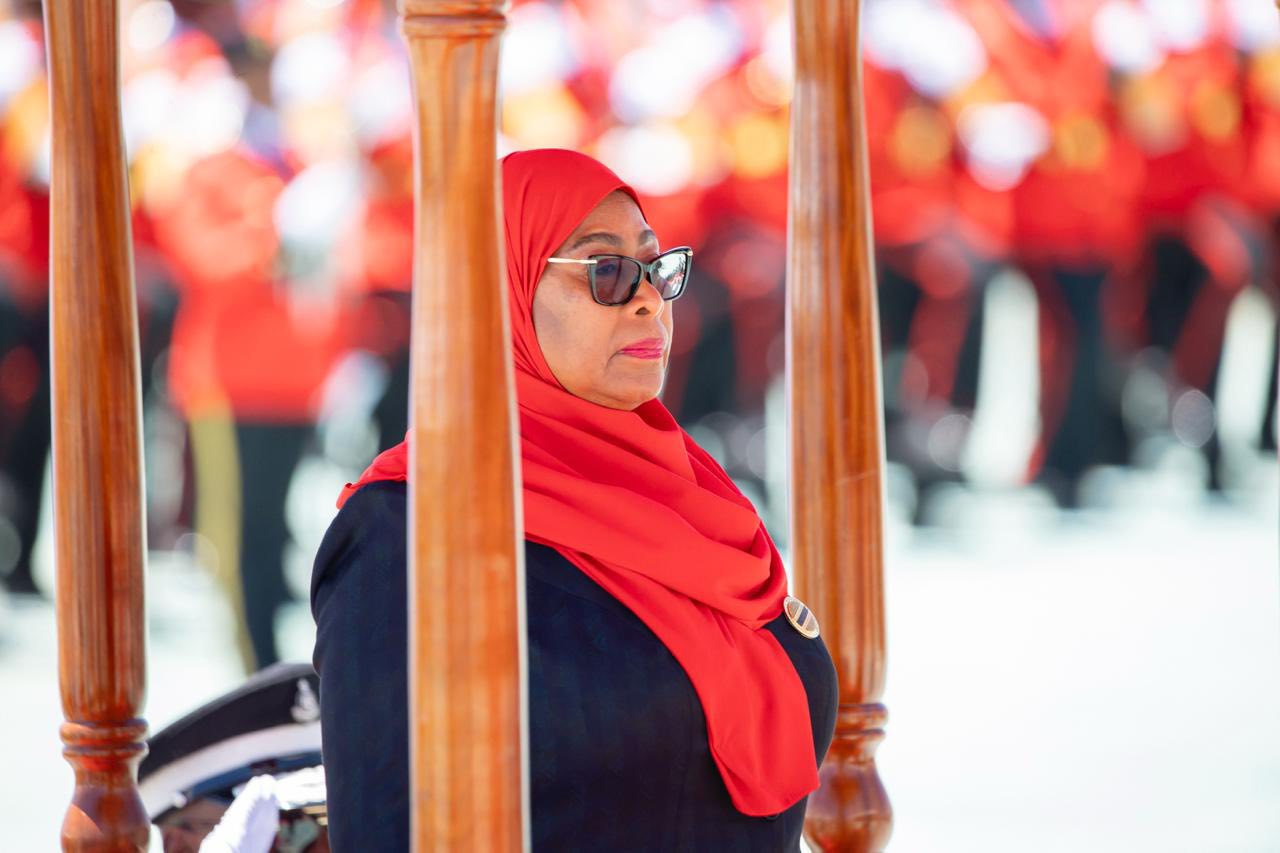
DAR ES SALAAM, TANZANIA – Tanzanian President Samia Suluhu Hassan has been sworn in for her first elected term after a landslide victory marred by allegations of fraud and deadly unrest.
Samia, who succeeded the late John Magufuli in 2021, secured 97.66% of the votes in the November 3 election. She took the oath of office in the capital, Dodoma, on Monday amid a heavy security presence and muted celebrations.
But as she begins her new term, analysts say the scale of violence and reported irregularities threaten to undermine both her domestic standing and Tanzania’s international reputation.
Mounting legitimacy concerns
“Due to the unrest that rocked her re-election, the foremost challenge President Samia faces is the acceptability of her legitimacy,” Prof David Monda, a US-based Kenyan political analyst told Allen Dreyfus. “This is going to hurt Tanzania both politically and economically, as some influential countries such as the US and the UK have warned their citizens against travelling to the country. This is the first blow to her legitimacy.”
Canada has also issued a travel advisory against Tanzania, citing security concerns.
Local media and opposition groups have reported hundreds of deaths following clashes between security forces and protesters. The opposition party CHADEMA claims over 700 people have died since the violence began, while the United Nations puts the toll at just 10.
“It is impossible to rebuild investor confidence when a country’s international image is tattered,” Monda told Allen Dreyfus. “Investor confidence is eroded, hurting the country’s economy.”
Before the turmoil, Tanzania was viewed as one of East Africa’s most stable democracies and an emerging investment hub. The nation’s economy depends largely on manufacturing, tourism, agriculture and financial services – sectors now vulnerable to reputational damage and security instability.
Regional and political implications
The unrest comes less than two years after Samia mocked neighbouring Kenya during its anti-government protests, claiming investors were fleeing there for Tanzania.
“The Director of the Tanzania Investment Institute recently stated on TV that since May, the country has received the largest number of foreign investors because of the protests in Kenya. Investors fear violence,” she said at the time.
Regional political commentator Charles Obbo noted that while Samia “may have used state machinery to bulldoze her way to power, her international acceptability will be greatly bruised – a test she will have to manoeuvre through.”