- Ghana inflation drops to 8%, lowest in over four years
- Analysts expect policy rate cut as disinflation strengthens
ACCRA, GHANA – Ghana’s inflation rate dropped to 8% in October 2025 from 9.4% in September, the lowest level since June 2021, according to the Ghana Statistical Service (GSS).
The data mark the tenth straight month of decline, underscoring the country’s success in taming price pressures after years of volatility.
The 1.4-percentage-point fall was the steepest single-month drop since early 2024, bringing the cumulative decline in inflation to 15.8 percentage points since December 2024. On a month-to-month basis, consumer prices fell 0.4%, reflecting broad-based easing across key components of the Consumer Price Index (CPI).
“This marks the tenth consecutive drop in headline inflation and reflects Ghana’s steady path toward price stability,” said Government Statistician Dr. Alhassan Iddrisu. “Price stability is gradually returning, and the key drivers that once fuelled double-digit inflation are now losing momentum.”
Food and non-food prices drive slowdown
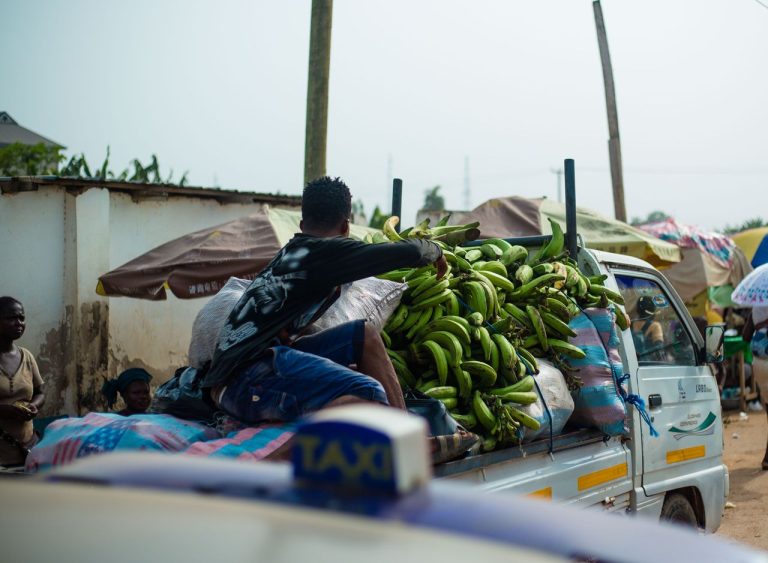
Food and non-alcoholic beverages inflation eased to 9.5% in October from 11.0% in September, while non-food inflation fell to 6.9% from 8.2%. The GSS attributed the drop to improved harvest-season food supply and stable transport and utility prices.
Inflation for locally produced goods declined to 8.0% from 10.1%, driven by increased domestic production and easing cost pressures. Imported inflation, however, edged up slightly to 7.8% from 7.4%, reflecting the weaker cedi and higher fuel import costs.
“The key takeaway is that maintaining single-digit inflation will require protecting the recent gains, especially the decline in food prices,” Dr. Iddrisu noted. “Since food carries a significant weight in the CPI basket, any reduction in food inflation translates directly into lower overall inflation.”
Outlook and monetary policy expectations
Analysts say Ghana’s disinflation reflects the success of tighter monetary policy, fiscal restraint, and improved agricultural output. “Ghana’s disinflation story remains strong, and the October figure reaffirms the return to single-digit inflation within the Bank of Ghana’s target range of 8±2%,” said Accra-based analyst Kwadwo Acheampong.
However, research firm Apakan Research cautioned that inflation could inch higher in the coming months due to base effects and recent fuel price adjustments. “Base effects and fuel hikes are set to nudge prices higher,” the firm said, citing a 7.1% cedi depreciation in September, a 2.47% rise in fuel prices, and a 1.14% increase in electricity tariffs.
Despite these risks, Apakan expects the central bank to remain dovish at its final Monetary Policy Committee meeting of the year, projecting a possible 300-basis-point rate cut to 18.5%. “We anticipate a measured easing given the sustained moderation in inflation,” it said.