- September inflation rises to 0.4%, reversing 16-month low
- Central bank maintains rate amid contained price pressures
RABAT, MOROCCO — Morocco’s annual inflation rose slightly to 0.4% in September 2025 from 0.3% in August, reversing a 16-month low as food prices nudged higher, according to the High Commission for Planning.
The statistical agency said the September Consumer Price Index showed a 0.2% month-on-month increase, driven by gains in both food and non-food categories.
“The consumer price index saw an increase of 0.2% in September 2025 compared to the previous month,” the agency said. “This change resulted from a 0.2% increase in both food products and non-food products indices.”
Food costs drive inflation uptick
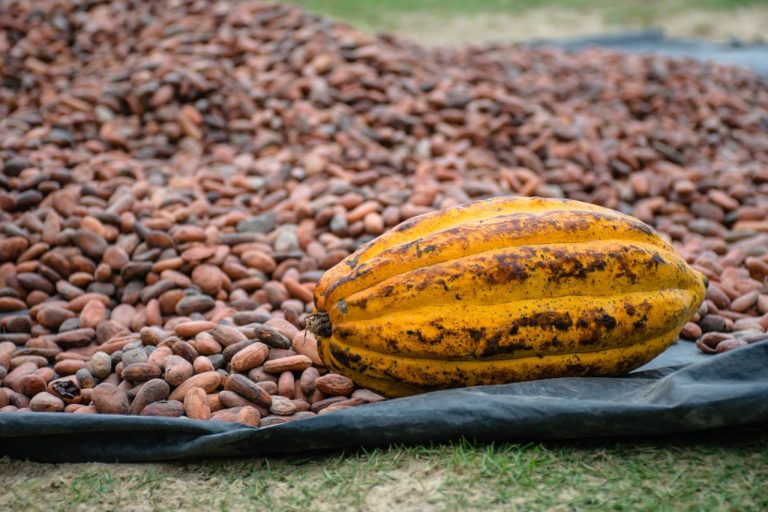
Vegetables were the biggest contributor, surging 2.6%, while fruit prices rose 0.5% and meat climbed 0.4%. Bread and cereals, milk, cheese and eggs, and coffee, tea and cacao each edged up 0.1%. The increases were partly offset by falling prices in other food groups — oils and fats dropped 2.1%, fish and seafood 0.6%, and beverages such as soft drinks and fruit juices 0.3%.
Fuel prices also declined by 2.2%, easing pressure on consumers and helping to slow the transport category’s annual rise to 2.4%. Core inflation, which excludes energy and volatile items, eased to 0.3% from 0.7% in August, suggesting underlying price pressures remain subdued.
That stability, analysts say, gives Morocco’s central bank more room to maintain its accommodative stance after keeping its benchmark rate unchanged at 2.25% last month.
Regional variations and economic outlook
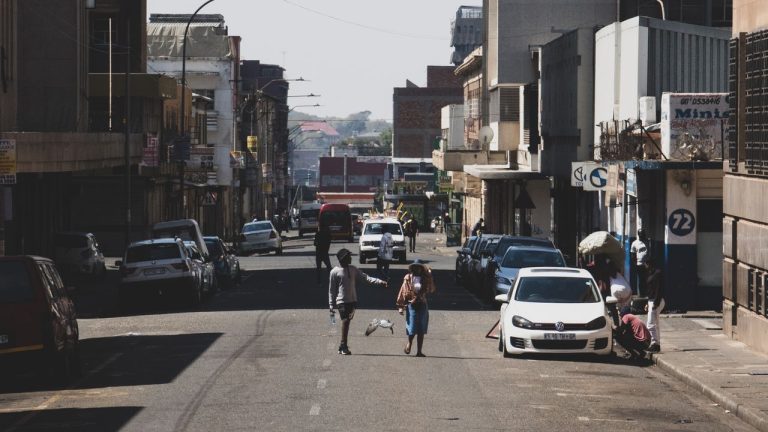
Price movements varied across the country. Errachidia posted the steepest monthly increase at 0.9%, followed by Laâyoune at 0.6% and Rabat at 0.5%. In contrast, Al-Hoceima saw a sharp 2.4% drop, while Meknès and Fès declined 0.4% and 0.3%, respectively.
The central bank projects Morocco’s economy to grow 4.6% this year, moderating to 4.4% in 2026. Inflation is expected to average around 1% in 2025 before edging up to 1.9% the following year, with core inflation forecast to rise from 1.1% to 2%.
The modest rise in inflation underscores Morocco’s relative price stability compared with other emerging markets, even as global food and energy costs fluctuate.