- Inflation falls to 9.4%, first single-digit since 2021
- Central bank trims key rate by 350 basis points
ACCRA, GHANA – Ghana’s inflation eased to 9.4% in September, its first single-digit reading in more than four years, offering relief to policymakers battling persistent price pressures.
The figure, released by the Ghana Statistical Service on Wednesday, marks the ninth straight monthly decline and places inflation within the Bank of Ghana’s medium-term target band of 8% ± 2%. The central bank had set a year-end target of 12%, now surpassed well ahead of schedule.
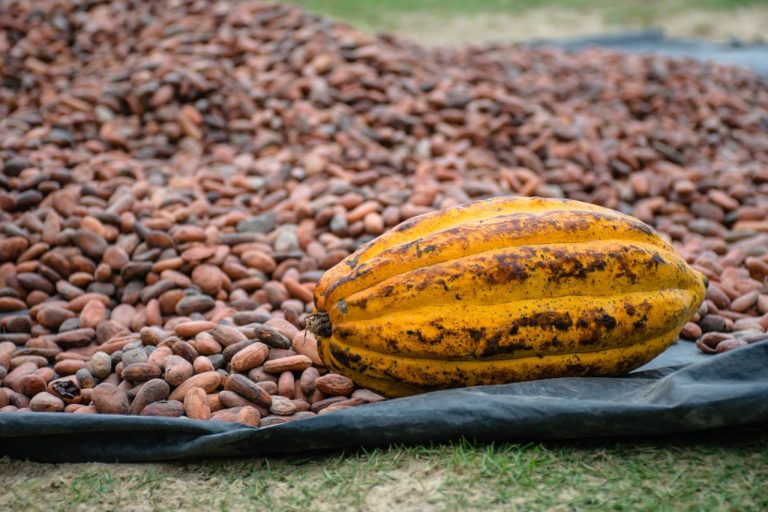
Headline inflation slowed from 11.5% in August and 12.1% in July, driven by a strong harvest season and broad-based declines in both food and non-food categories.
Food prices ease
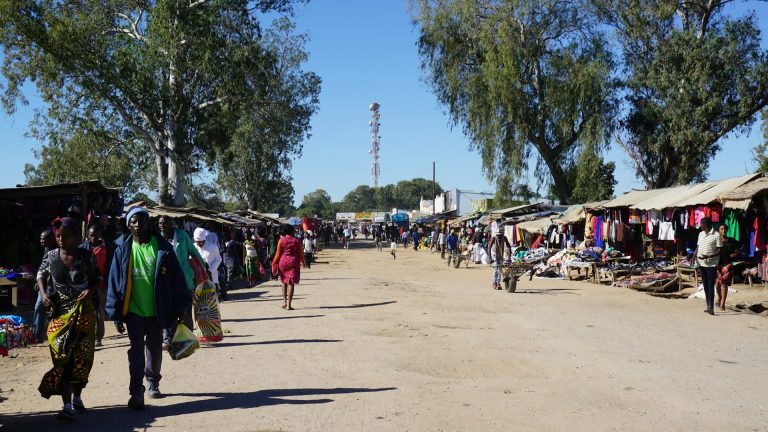
Food and non-alcoholic beverages inflation fell to 11% year-on-year, down from 14.8% in August, with declines across cereals, vegetables, and other staples. On a monthly basis, food prices rose slightly by 0.6% after falling 2.5% in August.
Non-food inflation dipped to 8.2% from 8.7%, supported by declines in clothing, footwear, and furnishing costs, though housing and utilities edged higher.
Investment firm Apakan Securities said the moderation was expected. “The annual inflation rate for September was expected to fall, albeit marginally,” it said, adding that inflation is likely to remain within target for the rest of 2025.
Policy risks remain
Despite the positive trend, analysts warned of risks. The cedi depreciated 10.5% month-on-month in August, threatening to fuel higher import costs. Rising fuel prices, including a new GH¢1 energy levy that pushed pump prices to GH¢14.88 per litre, may also stoke transport and utility inflation.
“Risks remain to our outlook, particularly from the cedi’s sustained depreciation and higher fuel costs,” Apakan Securities cautioned.
The Bank of Ghana, whose Monetary Policy Committee met for the 126th time in September, voted to cut its policy rate by 350 basis points to 21.5%. It forecast inflation would remain within the 8% ± 2% band through the fourth quarter.
“Notwithstanding this, maintenance of an appropriate monetary policy stance, strong sterilisation efforts, ongoing fiscal consolidation, and adequate reserve buffers should sustain the disinflation process,” the Committee said in a statement.
Ghana’s inflation had peaked above 50% in late 2022, underscoring the scale of its recent turnaround.