- Ghana’s cedi swings sharply again, fuelling public anxiety despite reassurances
- Economists warn without structural reforms, stability risks remain short-lived
ACCRA, GHANA – For weeks, the Ghanaian cedi has dominated public debate, from traders fretting over higher import costs to households bracing for another round of price hikes.
The anxiety is so widespread that the Bank of Ghana has stepped in to reassure the public that the currency’s wobble is under control.
Governor Dr. Johnson Asiama insists the central bank has enough reserves and policy tools to steady the cedi through the year-end.
“No one should be anxious. I don’t know where the anxiety is coming from. We have enough reserves to cover imports in the fourth quarter as the Christmas festivities approach,” he told reporters after the bank’s 126th Monetary Policy Committee meeting.
But is the stability sustainable – or just another artificial cushion that risks wearing thin?
Currency swings and credibility tests
The cedi’s recent performance reflects the uncertainty. After ending 2024 as one of Africa’s worst-performing currencies, it rebounded strongly in early 2025. By September, however, the rally faded.
On the interbank market, the cedi traded around GHS 12.11 per dollar, while forex bureaus quoted between GHS 13.20 and GHS 13.45. Similar losses were recorded against the pound and euro.
Economist Patrick Asuming of the University of Ghana Business School says the central bank’s earlier policies helped set the stage for the correction.
“In some sense, much of it is being brought on by the way the central bank allowed the cedi to appreciate so quickly. Because to allow the currency to appreciate so quickly over a short period of time, when it was obvious that we couldn’t sustain holding the dollar at GHC10, is something that is really coming back to bite,” he said.
According to him, the recent slide is “largely a correction after an unsustainable appreciation,” though he acknowledged that the Bank of Ghana has the reserves to intervene if pressure intensifies.
“In terms of the central bank being in a position to support the cedi if it comes under extreme pressure, they are well-armed to be able to do that. So you understand why the Governor is saying we have no reason to be anxious,” he added.
Warnings from global lenders and think tanks
That tension between reassurance and sustainability is not lost on international partners. Both the IMF and World Bank have warned Ghana against excessive central bank interventions, cautioning that propping up the cedi without structural fixes risks burning through reserves.
The Centre for Economic Research and Policy Analysis (CERPA) echoed those concerns in its latest policy paper. It said recurring volatility is fuelling inflation, raising debt-servicing costs, and eroding both investor and business confidence.
“Depreciation is being driven by rising demand for foreign exchange to fund imports, limited inflows from exports and remittances, market speculation, and persistent weaknesses in the external sector,” CERPA noted.
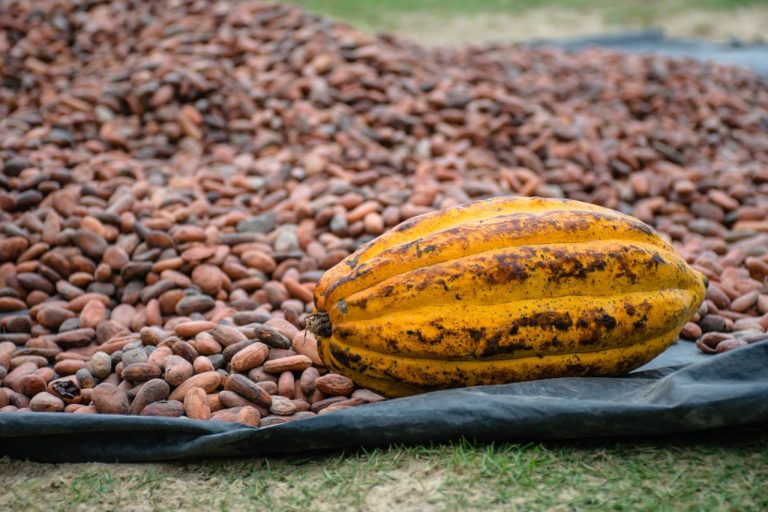
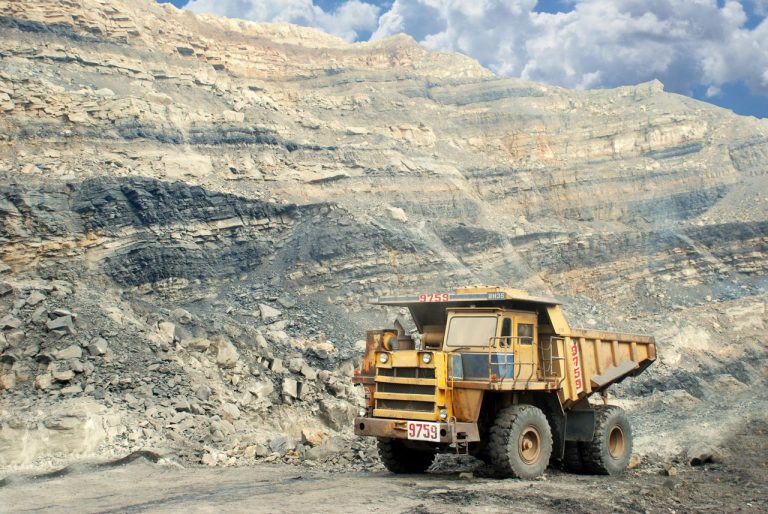
CERPA called for reforms including diversifying exports beyond cocoa and gold, tightening regulation of the retail forex market, and better liquidity management to curb speculation. Without such measures, it warned, Ghana risks repeating a cycle of short-term stability followed by sharp depreciation.
The central bank’s reassurances may calm immediate nerves as dollar demand spikes during the festive season. But the bigger test lies beyond December, when the sustainability of the cedi’s footing will again be scrutinised.
Experts argue that resilience will only come from long-term planning—strengthening exports, boosting remittance inflows, and curbing speculative trading. As Prof. Asuming warns: “Artificial stability without reform only pushes the problem into the future.”