- Africa needs $90bn yearly for energy transition
- Technology reshaping power access across underserved communities
ABUJA, NIGERIA — Africa’s energy transition debate is often framed as a choice between climate responsibility and economic development. That framing misses the continent’s deeper reality.
For Africa, the challenge is not whether to pursue cleaner energy. It is how to achieve a fair transition that expands electricity access, supports industrialisation and protects economic growth while gradually building more sustainable systems.
That balance will define Africa’s development trajectory over the coming decades.
The continent’s population is projected to approach 2.5 billion people, with rapid urbanisation, industrial expansion and digitalisation expected to intensify energy demand dramatically. Yet hundreds of millions of Africans still lack reliable electricity, while businesses continue to struggle with unstable power supplies that undermine productivity and investment.
Against that backdrop, expecting Africa to abandon fossil fuels abruptly is neither economically realistic nor historically fair.
For many African economies, fossil fuels — particularly natural gas — remain essential to providing affordable and reliable baseload electricity capable of supporting industrial activity and economic expansion.
A just energy transition must therefore recognise Africa’s developmental realities rather than impose externally designed timelines that fail to account for the continent’s infrastructure deficits and energy poverty.
Africa’s emerging energy future will likely be hybrid rather than ideological: combining renewable technologies with transitional fossil fuel systems while gradually expanding cleaner infrastructure over time.
Technology and innovation are increasingly becoming the bridge between those competing pressures.
Technology reshaping Africa’s energy future
Across the continent, decentralised energy systems are already transforming communities long excluded from traditional electricity grids.
Mini-grids, off-grid solar systems and battery storage technologies are bringing electricity to remote areas where extending national grids remains financially difficult or technically impractical. Analysts expect distributed renewable systems to account for a significant share of new electricity connections across underserved African communities by 2030.
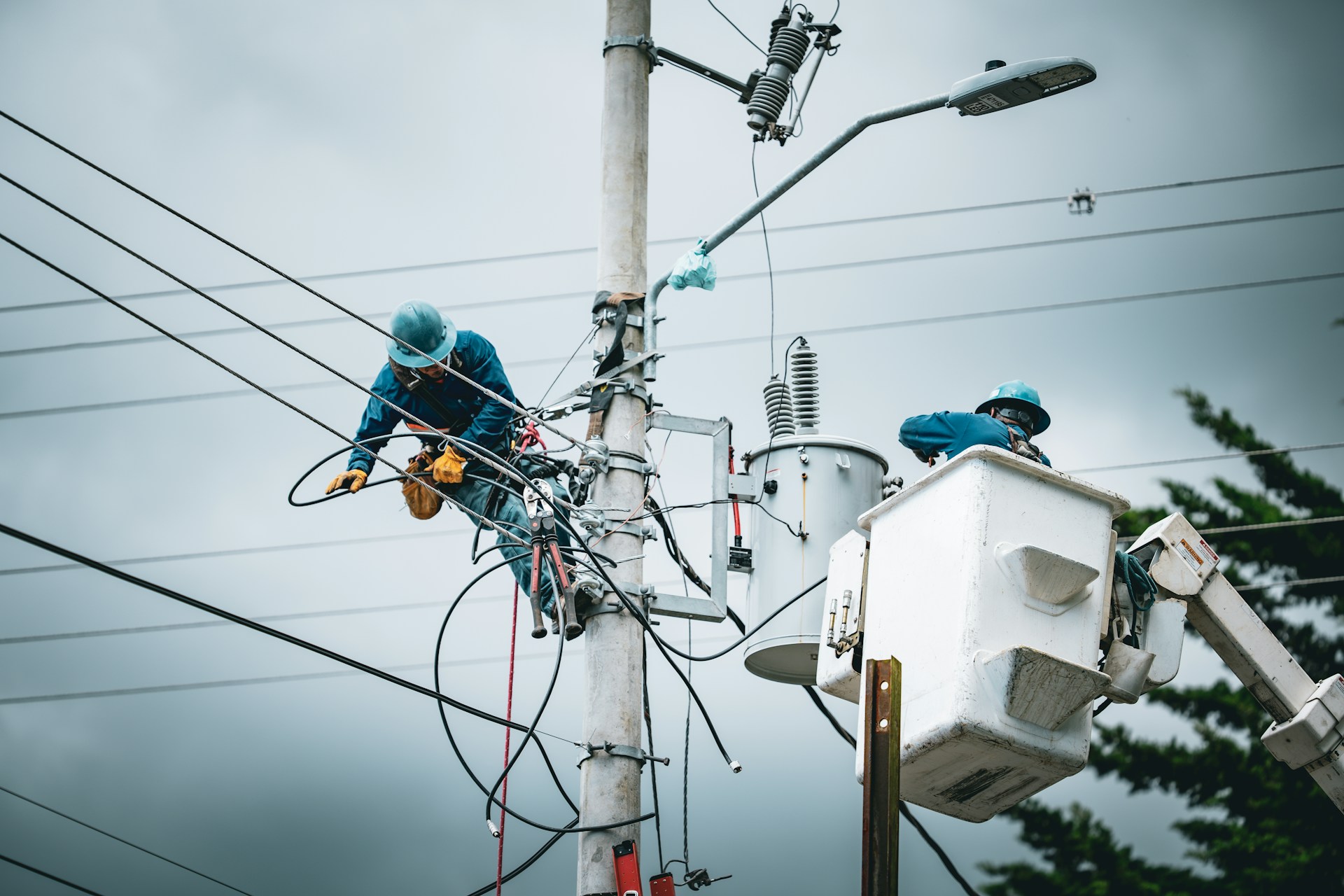
At the same time, smart-grid technologies and artificial intelligence-driven energy management systems are helping utilities reduce losses, improve efficiency and manage demand more effectively.
Modern battery systems are also beginning to address one of renewable energy’s biggest structural weaknesses — intermittency — by enabling solar and wind power to be stored and supplied more consistently.
These technologies are not solving every challenge overnight. But they are reshaping what energy access can look like across Africa.
Decentralised systems are especially critical because they allow countries to bypass some of the enormous infrastructure costs associated with traditional grid expansion. In many rural areas, smaller flexible systems may provide electricity faster and more affordably than large-scale centralised infrastructure projects.
African entrepreneurs are driving much of this innovation.
Across the continent, local companies are building pay-as-you-go solar systems, community-run mini-grids and mobile payment platforms tailored to African realities. These innovations are doing more than providing electricity; they are creating jobs, developing technical skills and opening new economic opportunities.
Africa’s mobile telecommunications revolution demonstrated the continent’s ability to leapfrog outdated systems rather than replicate older development pathways. Energy may become the next sector where that transformation occurs at scale.
Yet innovation alone cannot deliver Africa’s transition. Financing remains the continent’s largest structural obstacle.
According to the International Energy Agency, Africa requires around $90bn annually to achieve a successful energy transition. Current investment levels remain well below that threshold. Without significantly larger flows of capital into generation, transmission and decentralised infrastructure, Africa risks entering a future where energy demand expands faster than supply capacity.
The African Development Bank has similarly warned that grid investment must increase substantially while clean-energy spending needs to double by 2030 to keep pace with economic growth and population expansion.
From electricity access to economic transformation
Reliable energy is not simply a technical issue. It sits at the centre of industrialisation, digital growth and human development.
Factories cannot operate efficiently without stable power. Transport systems depend on functioning energy networks. Data centres powering Africa’s digital economy require reliable electricity infrastructure.
The developmental impact extends even further.
In many underserved communities, decentralised electricity changes everyday life in immediate ways: children gain lighting to study at night, health facilities can safely store vaccines and medicines, and small businesses can operate beyond daylight hours.
Energy access becomes not merely an infrastructure issue, but a question of economic inclusion and social mobility.
Still, infrastructure alone will not determine success. Supportive regulation, policy stability and strong public-private partnerships remain essential to attracting long-term investment into African energy markets. Governments that create predictable regulatory environments are more likely to attract both domestic and international capital needed to scale projects.
Regional cooperation will also matter.
If African countries harmonise regulations and integrate energy markets more effectively, they can create larger and more attractive investment environments capable of accelerating innovation and reducing costs.
Ultimately, Africa’s energy transition cannot simply replicate models designed elsewhere. The continent’s pathway must reflect African realities, African priorities and African development ambitions. That requires pragmatism rather than absolutism — combining cleaner technologies with economically viable transition strategies capable of expanding access while sustaining growth.
Africa’s energy future will not be secured through ideology alone. It will depend on whether governments, investors and innovators can work together to build resilient systems that balance sustainability with industrial ambition. The continent has already shown through mobile technology that it can leapfrog outdated systems when policy, innovation and investment align. Its energy transformation may now become the next great test.
By Prof. Bart O. Nnaji FAS, FA Eng. CON, NNOM – Founder/Chairman, Geometric Power Limited and former Nigerian Minister of Power.