- Export proceeds tracking nets $16bn in 20 months
- Government targets black market mineral trade crackdown
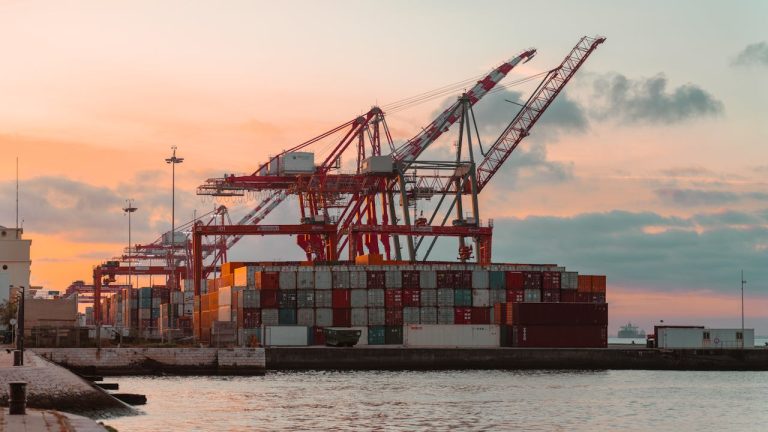
LUSAKA, ZAMBIA – Zambia has channelled over $16 billion through its domestic banking system since the launch of its Export Proceeds Tracking Framework in January 2024, part of sweeping reforms to boost revenue collection.
Bank of Zambia Governor Denny Kalyalya told the 2026 Budget Symposium in Lusaka that the framework, jointly implemented with the Zambia Revenue Authority, requires exporters to deposit all foreign proceeds into local banks.
“Approximately US$16 billion of export earnings have been channelled through the domestic banking system since the launch of the Export Proceeds Tracking Framework in January 2024,” Kalyalya said.
He added that the system would soon expand. “The development of the Import Tracking Module is currently in progress and rollout is set for early 2026,” he said. A services module, tested earlier this year, will be launched in the coming quarter.
Mining, fiscal pressures in focus
Finance Minister Situmbeko Musokotwane said the framework has improved the accuracy of Zambia’s balance of payments data, which previously lacked transparency. “The scope of the framework is being expanded to include trade in services and the tracking of imports,” he said.
But industry leaders warn loopholes remain. The Zambia Chamber of Mines urged the government to tighten oversight in the extractive sector, citing illicit mineral sales.
“There is a need to curb black market mineral trade that fuels illicit financial flows so that all players in the mining industry trade transparently and increase government revenue to fund programmes,” said ZCM chief executive Sokwani Chilembo.
Chilembo added that closing the gold black market would lower Zambia’s global financial risk exposure to pre-2010 levels.
The central bank is also pushing a Deposit Protection Scheme Bill to safeguard depositors and reinforce financial stability. “Under these rules, a fund will be established to pay out deposits up to a specified amount in the event of a financial institution’s failure,” Kalyalya said.
Budget goals amid drought challenges
Revenue mobilisation remains central to government policy. The Zambia Revenue Authority expects to collect $8.04 billion (K185 billion) in 2026 — equivalent to 20% of GDP. VAT, at $2.36 billion, will be the largest contributor, followed by pay-as-you-earn and company tax, ZRA Commissioner General Digani Banda said.
Secretary to the Treasury Felix Nkulukusa said the 2026 budget builds on fiscal consolidation and debt sustainability achieved despite a historic drought.
“Prudent management of resources has so far seen us through the severe drought in recent history, whose effects still remain in the energy sector,” he said. “We remain committed to safeguard the gains scored thus far, and achieve our objective of sustained economic growth and job creation.”