- Non-oil GDP surged 7.8%, driven by services and agriculture
- Industry slowed sharply to 2.3%, weighed down by oil and gas
ACCRA, GHANA – Ghana’s economy grew 6.3% year-on-year in the second quarter of 2025, holding steady from the first quarter as easing inflation and a stable currency boosted activity in key sectors.
Growth quickened from 5.7% in the same period last year, with nominal GDP rising to GH¢321 billion from GH¢259 billion, according to the Ghana Statistical Service (GSS).
Real GDP increased to GH¢47.36 billion, while quarter-on-quarter growth picked up to 1.7% from 1.3%. The GDP deflator dropped to 18.1% from 26.8%, signalling moderating price pressures.
“The figures show that the economy is sustaining growth on the back of stabilising prices and improved activity in key sectors,” Government Statistician Dr Alhassan Iddrisu said.
Services drive gains as industry slows
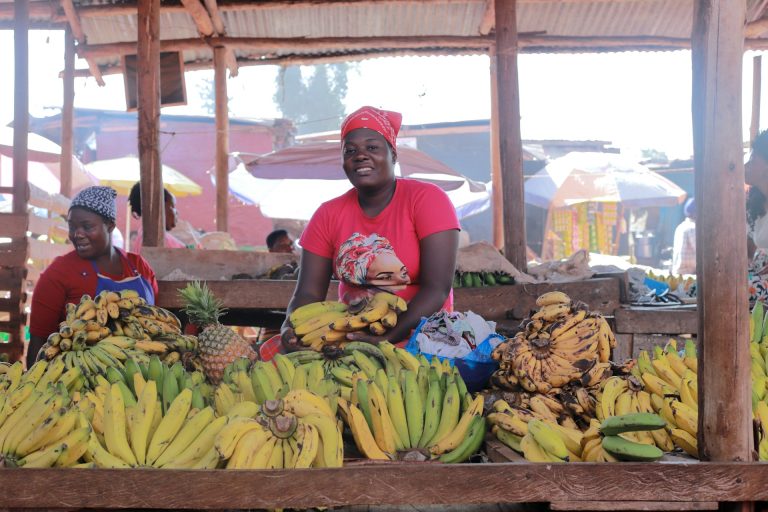
Non-oil GDP expanded 7.8% compared with 5.7% a year earlier, supported mainly by services and agriculture. Services grew 9.9%, up from 2% in 2024, contributing more than four percentage points to overall growth. Agriculture expanded 5.2% on the back of gains in crops and livestock.
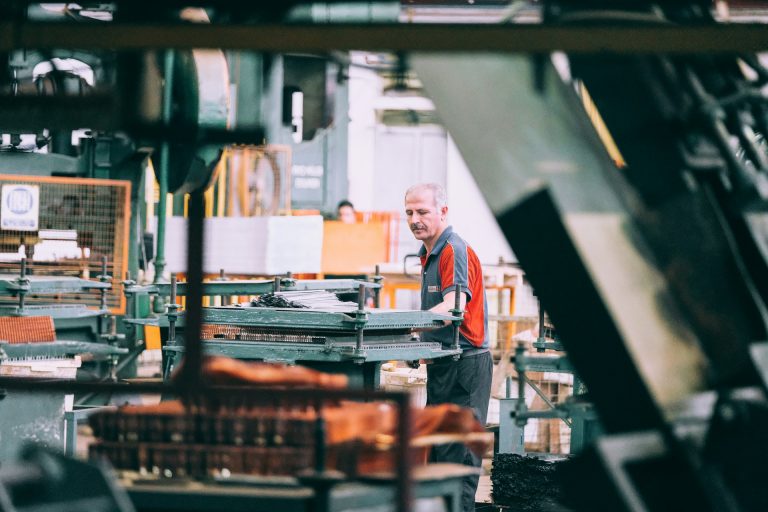
Industry, however, slowed to 2.3% from 12.2% a year ago, dragged down by oil and gas. Mining is expected to underpin growth in the near term as gold producers ramp up output, but analysts warned that the slump in industry signals broader structural weaknesses.
“The strong services growth shows resilience, but the sharp deceleration in industry points to underlying weaknesses,” Dr Iddrisu said.
Investment firm Apakan Securities said the results matched expectations of steady momentum, underpinned by disinflation and currency stability. Inflation eased to 11.5% in August, its lowest in nearly four years, supported by tighter monetary policy and improved food supply.
“The disinflation trend is supporting household incomes and consumption, especially in services, while the stable cedi has improved investor sentiment,” Apakan said in a note.
The cedi held broadly steady during the quarter, buoyed by gold export receipts.
Risks on the horizon
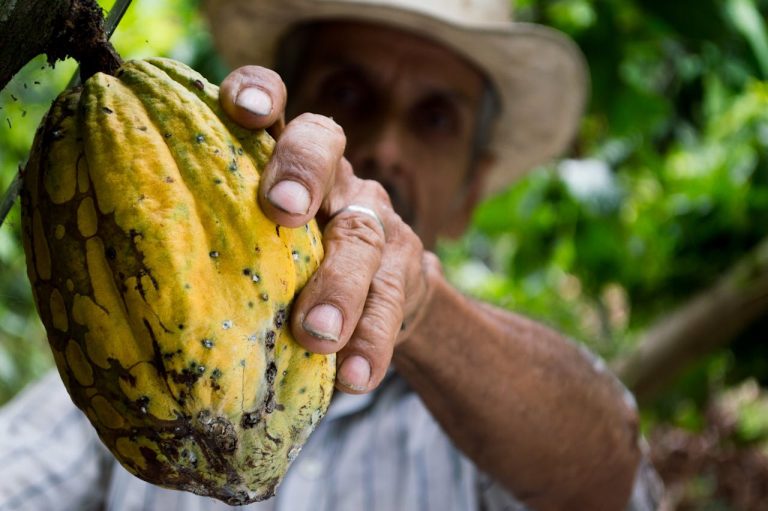
Analysts cautioned that persistent weakness in the oil and gas sector, intermittent power cuts and fiscal pressures could limit the pace of expansion in the coming quarters. Cocoa output is rebounding, but swollen shoot disease and cross-border smuggling remain challenges.
While services are expected to remain the main growth driver, the slowdown in industry has raised concerns about Ghana’s ability to sustain broad-based growth.