- Ethiopia partners with Russia’s Rosatom on nuclear power plans
- Abiy says programme will be safe, transparent and exemplary
ADDIS ABABA, ETHIOPIA – Ethiopia has signed a nuclear energy cooperation deal with Russia, a major step in its bid to diversify power supplies and tackle persistent electricity shortages.
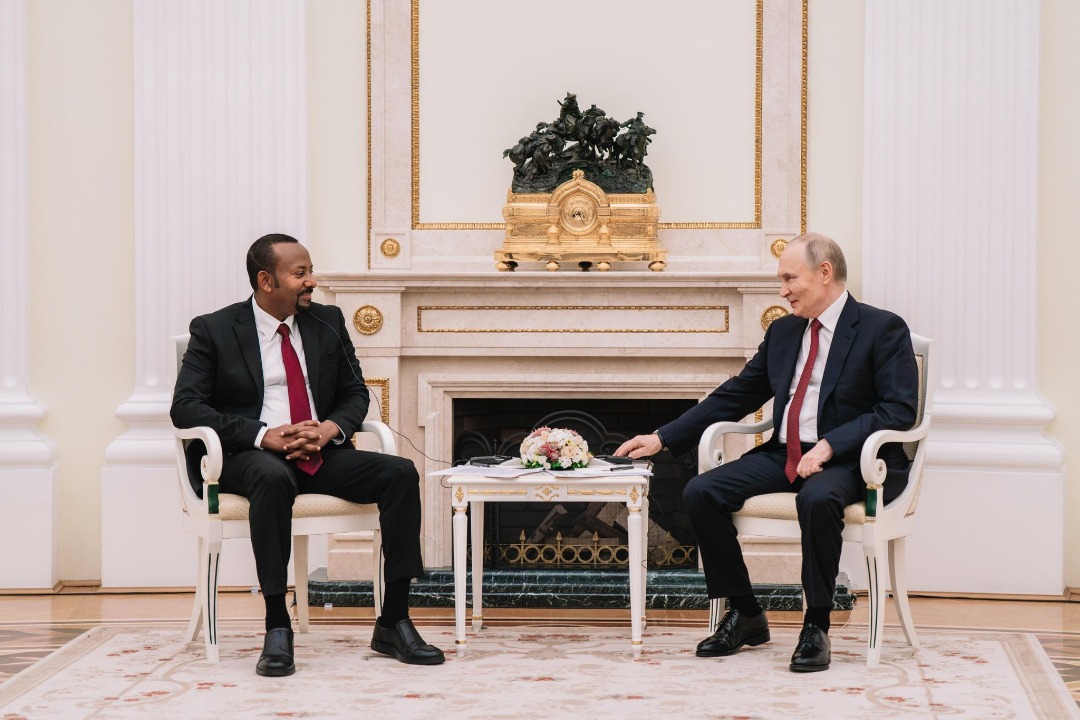
The agreement, signed Thursday in Moscow between Russian state nuclear corporation Rosatom and Ethiopian Electric Power, was exchanged by Rosatom CEO Alexei Likhachev and Ethiopian Foreign Minister Gedeon Timothy in the presence of President Vladimir Putin and Prime Minister Abiy Ahmed.
The accord, described as an “action plan,” is designed to advance Ethiopia’s long-term nuclear programme. Officials say it will support rising demand for reliable, clean energy and reduce dependence on hydropower.
“Ethiopia is taking concrete steps to use nuclear technology for peaceful purposes,” Abiy told the World Atomic Week conference in Russia. “Our goal is clear – the nuclear programme that Ethiopia wants to build is safe, transparent, and exemplary.”
Building beyond hydropower
Ethiopia already relies heavily on renewable energy, including the Grand Ethiopian Renaissance Dam (GERD) – Africa’s largest hydroelectric project -alongside wind and solar projects. But officials say those sources remain insufficient for the country’s ambitions.
“Nuclear technology offers additional advantages, including food security applications, medical technology, and water management,” Abiy said.
Russia, which has more than 80 years of nuclear experience, pledged technical support and training for Ethiopian specialists. Under the deal, the two countries will cooperate on nuclear infrastructure, legal frameworks, and human resource training. Plans also include a Nuclear Science and Technology Center in Ethiopia to promote research and build capacity.
A strategic pathway
Ethiopia, home to more than 130 million people, is one of Africa’s fastest-growing economies but still faces severe power shortages that limit industrial growth and rural electrification.
The government views nuclear power as “a strategic pathway to expand energy access, support industrialisation, and position the country as a hub for science and innovation on the continent.”
Abiy underscored that the programme would be developed in close collaboration with the International Atomic Energy Agency (IAEA) to ensure compliance with global safety standards.
Carraa Gaarii, a policy commentator, said the agreement underlined Ethiopia’s determination. “This project is a clear message to the world. Ethiopia’s development is non-negotiable. We will pursue every available avenue to secure prosperity for our people, and we are grateful to have a government that champions this cause,” Gaarii said.
The deal also signals Moscow’s growing footprint in Africa’s energy sector, expanding its influence in a region where major powers are competing for strategic partnerships.