- Debt talks stall as Ethiopia seeks to reassure investors
- Energy projects and exports fuel optimism amid fiscal strain
Ethiopia’s economy is showing signs of revival, buoyed by record exports and massive energy projects, but stalled Eurobond negotiations and rising debt distress threaten its recovery and investor confidence.
“This is a memorable chapter in Ethiopia’s economic history,” President Taye Atske-Selassie declared, hailing $8.3 billion in exports and reforms under the Homegrown Economic Reform Programme.
Yet, the government’s failure to reach a deal with bondholders after defaulting on a $1 billion Eurobond in 2023 has raised questions about the sustainability of its recovery. The bond, issued in 2014 at 6.625%, remains under the G20 Common Framework after Ethiopia suspended payments last December.
Creditors push back as negotiations falter
Negotiations in Paris from September 15 to October 3, 2025, collapsed over repayment terms and the government’s insistence on treating private creditors the same as bilateral lenders such as China, which holds nearly a quarter of Ethiopia’s $31 billion external debt.
“Although a final agreement could not be reached at this time, Ethiopia believes significant progress has been made,” Finance Minister Ahmed Shide said on October 14. Bondholders, however, described talks as “fruitless” and warned they were “considering all options, including legal action.”
Ethiopia’s proposal includes:
• A 15% reduction in bond face value to $850 million
• Unpaid interest of $99.3 million
• Repayments between 2026 and 2028 at 6.125% interest
• A Value Recovery Instrument tying 1.5% of export gains (up to $30 million annually) to repayments
Bondholders pushed for more generous terms, including export-linked payouts of 4.75%, an 11-year window (2024–2035), and a higher annual cap of $65 million.
“Ethiopia’s offer is a start, but it lacks sufficient incentive for bondholders to wait. Without clarity on IMF backing or fiscal reform, patience is wearing thin,” said an investor close to the talks.
Reform progress, debt distress persist
Despite the impasse, Ethiopia’s reform programme—backed by $3.4 billion from the IMF and $16 billion from the World Bank – has yielded results. “Entities directly involved in economic growth have improved operational efficiency and budget execution,” Minister Shide said.
Planning Minister Fitsum Asfa added that initiatives like Mission Agriconnect and Mission Energy 300 aim to boost productivity and employment.
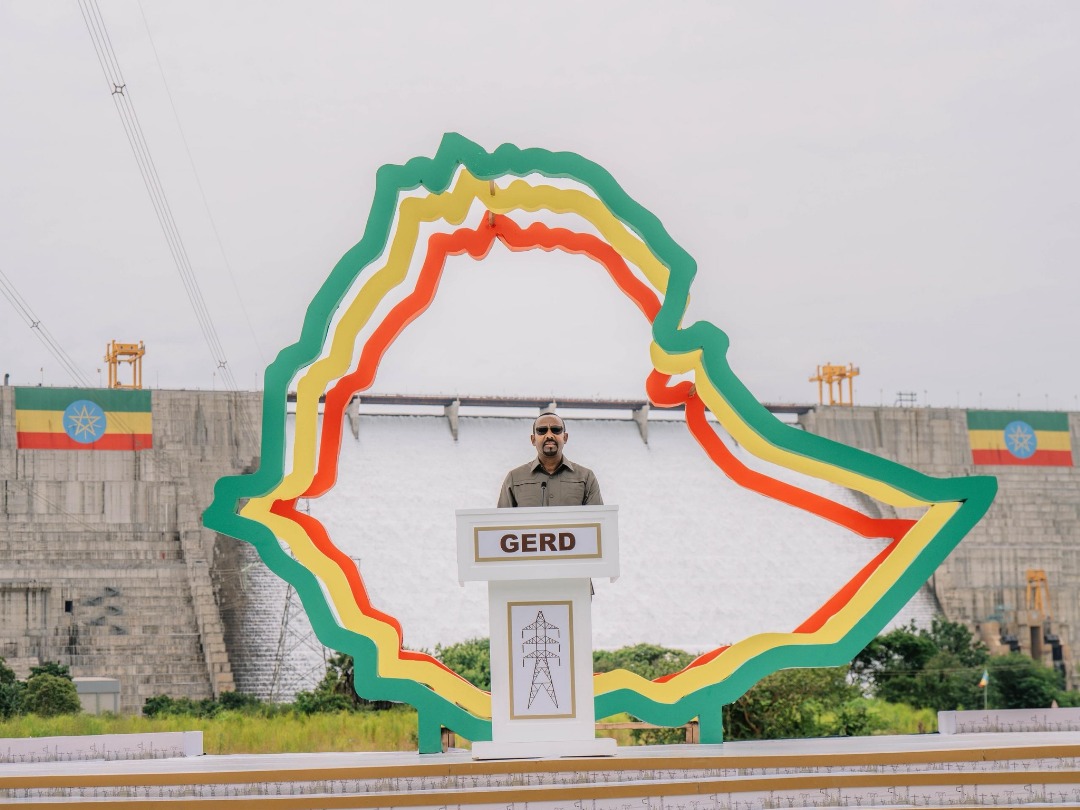
Flagship projects include the 5,150 MW Grand Ethiopian Renaissance Dam (GERD) and the Ogaden LNG Plant, which produces 111 million litres of LNG and 1,000 MW of power annually. Officials say both will “enhance foreign exchange earnings and global investment inflows.”
But a joint IMF–World Bank review classified Ethiopia as being in debt distress, with domestic debt making up 55.5% of total public debt and treasury bill rates expected to hit 16.4% in early 2025. Analysts warn that delays in restructuring talks could derail investor confidence and drive up borrowing costs.
Assistant Professor Girum Areda of WU University cautioned: “If negotiations remain inactive, international financial platforms may close, and the country could face pressures from global markets.”
Economic analyst Abdulmenan Mohammed added: “The challenge is balancing ambitious reform with fiscal responsibility. Stalled debt talks threaten investment and disrupt industrial momentum.”
Both sides remain open to further dialogue, but time is running out. “How the government navigates these negotiations could determine Ethiopia’s credibility in global capital markets—and offer lessons for other African economies,” Abdulmenan said.