With global tariffs rising and energy transition markets reshaping trade, African heads of state must unite at the UN General Assembly to demand fair terms and lead the minerals revolution.
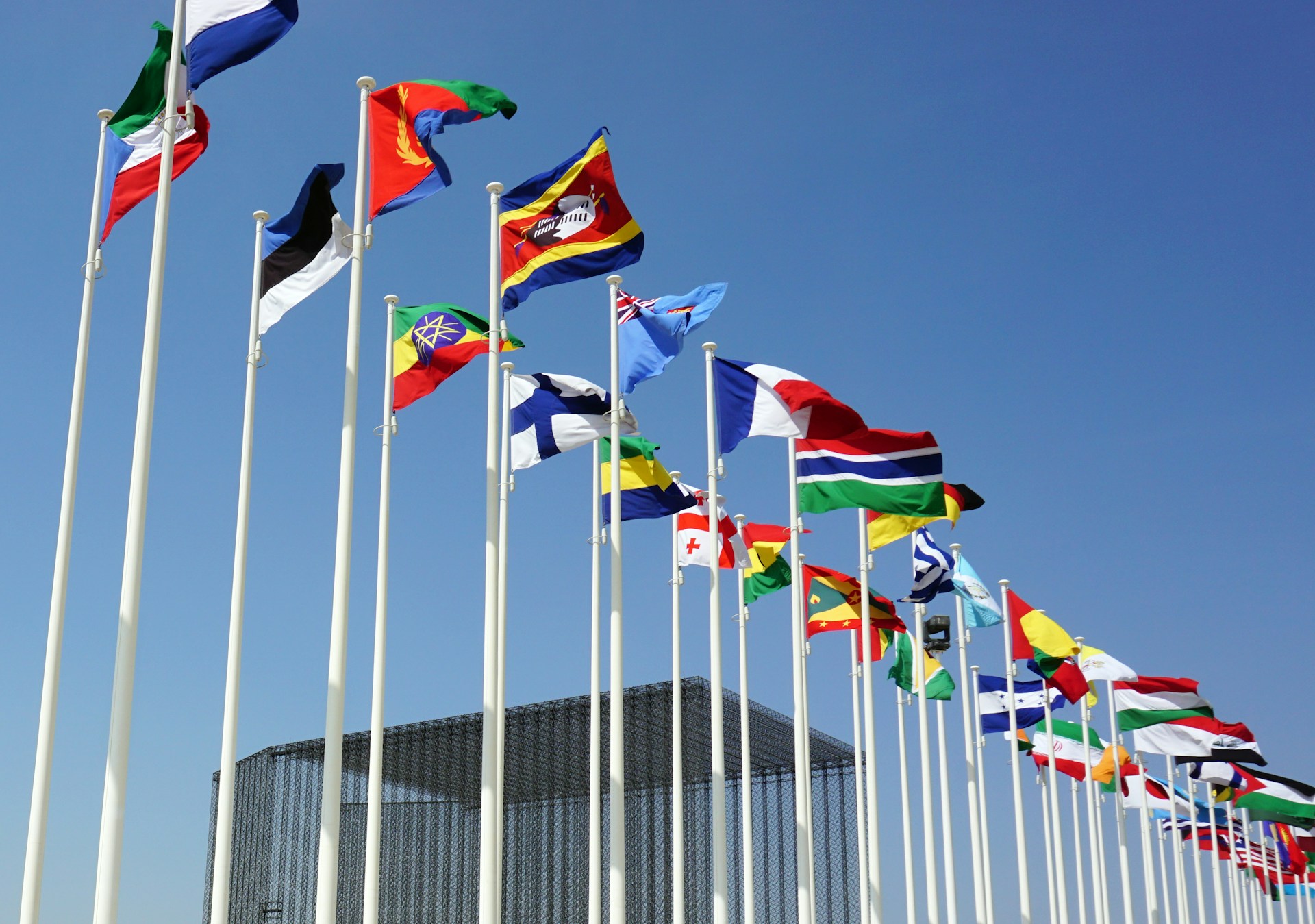
As the United Nations marks its 80th anniversary and world leaders gather in New York for the high-level week beginning 23 September, African nations stand at a crossroads.
They have abundant reserves of critical minerals essential for the global energy transition but too often remain passive suppliers, subject to unfair tariffs and trade imbalances. This UNGA, Africans must make a strong, united case: that the continent should not simply feed the world, but actively shape the rules — and reap the rewards.
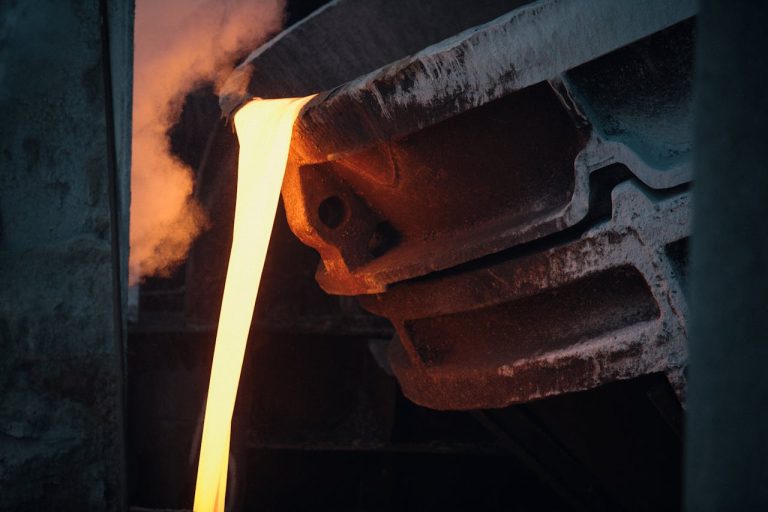
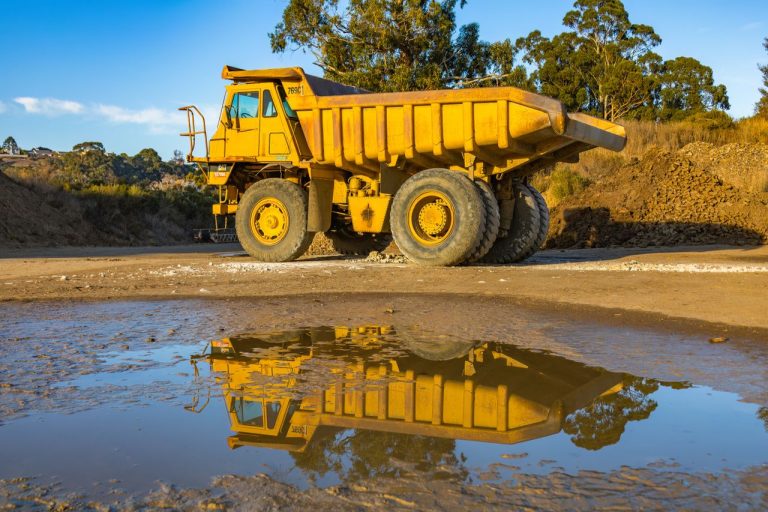
From cobalt to graphite, manganese to lithium, Africa holds a large share of reserves. According to the UN Economic Commission for Africa (ECA), the continent possesses 55% of the world’s cobalt, nearly 47.65% of manganese, 21.6% of natural graphite, 5.9% of copper, 5.6% of nickel, and though lithium is modest at about 1%, the potential is only beginning.
Yet, Africa generates little value from these minerals. Only about 2% of exports of transition minerals remain within Africa, meaning most of the profits are made abroad. Researchers estimate that more value-added processing could contribute up to $24 billion to Africa’s GDP and create 2.3 million jobs.
Why the spotlight must be on now
African leaders have begun organising through new continental instruments. On the sidelines of UNGA 80, presidents Bola Ahmed Tinubu of Nigeria and William Ruto of Kenya will convene the Africa Minerals Strategy Group (AMSG). Launched in January 2024 in Kampala, AMSG aims to ensure Africa plays a central role in the global minerals sector and energy transition. It seeks collaboration among nations to change Africa’s historic position as simply raw materials provider into a co-creator of value.
Trade distortions and protectionist policies are threatening to erode that potential. The United States, for example, has imposed sweeping tariffs under its new reciprocal tariff regime; although some minerals were later exempted (gold, tungsten, uranium, graphite), many African products remain at risk.
The European Union too is advancing its own “minerals partnerships” which, while offering investment, tend to favour foreign firms in downstream processing, leaving Africa with minimal control over pricing or value capture. Without coordinated African strategies, there is danger of being boxed into low-margin roles forever.
What must be demanded at UNGA 80
African leaders should insist on several concrete actions:
Trade fairness and tariff protection, especially for processed minerals and value-added goods. Tariffs or export bans on raw minerals need to be reconsidered to boost domestic processing.
Continental cooperation, via the African Green Minerals Strategy, AfCFTA (African Continental Free Trade Area), and regional value chains. When countries specialise wisely and integrate, they can share infrastructure, markets and regulatory standards.
Transparency, governance and benefit sharing to assure investors and citizens alike that mining benefits reach communities, combatting corruption and environmental degradation.
Partnerships that empower Africa, not simply extract from it. Investment agreements should guarantee technology transfer, support processing facilities in Africa, and require profit sharing rather than purely exporting raw material.
Global stakes and unfair history
Until now, Africa’s role in the minerals economy has been shaped by external demand: for batteries, electric vehicles, solar panels, wind turbines. As global powers scramble to secure their supply chains, Africa is courted—but often with unequal terms.
Tariff regimes, export taxes, preferential trade agreements often favour consumer markets in the EU, USA and Asia. Even recent exemptions—like the U.S. lifting tariffs on several minerals—demonstrate that Africa’s leverage is often reactive, not proactive.
The new reality: energy transition is not just a technical or environmental agenda — it is a geopolitical one. Whoever controls critical minerals and processing capacity will shape pricing, job distribution, industrial structures, security protocols, and supply chains for decades. Africa must insist that it is at the table, not just at the mine.
The coming UNGA 80 offers a unique platform: African leaders can turn talks into binding commitments. If they succeed, the continent could transform from resilient mineral supplier into sovereign power broker—dictating the shape of global energy transitions and securing prosperity at home. If they fail, the spoils will continue to go elsewhere.