- Economy expands 0.8% in Q2, up from 0.1% in Q1
- Manufacturing, mining and agriculture drive growth, but investment lags
JOHANNESBURG, SOUTH AFRICA – South Africa’s economy grew faster than expected in the second quarter, but weak investment and trade underscored the structural challenges threatening to derail its fragile recovery.
Gross domestic product expanded by 0.8% quarter-on-quarter in Q2 of 2025, up from 0.1% in the previous quarter, according to official data released Tuesday. The expansion lifted GDP to an annualised constant 2015 price of $255 billion, with growth driven by gains in manufacturing, mining, agriculture and consumer spending.
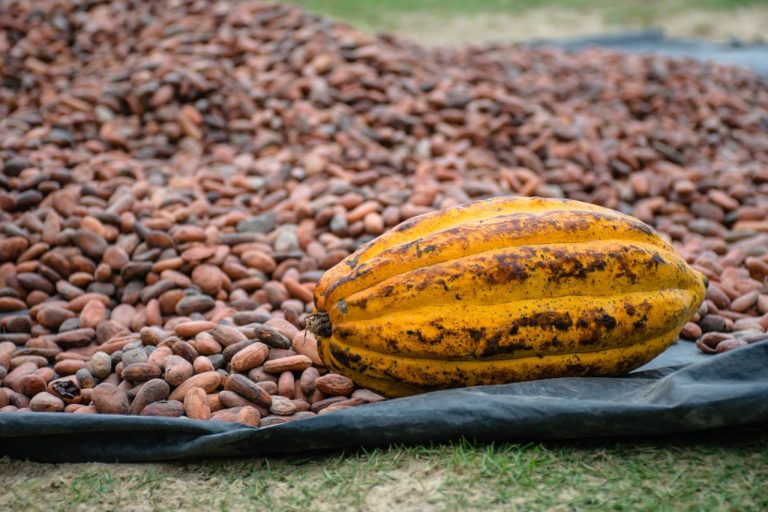
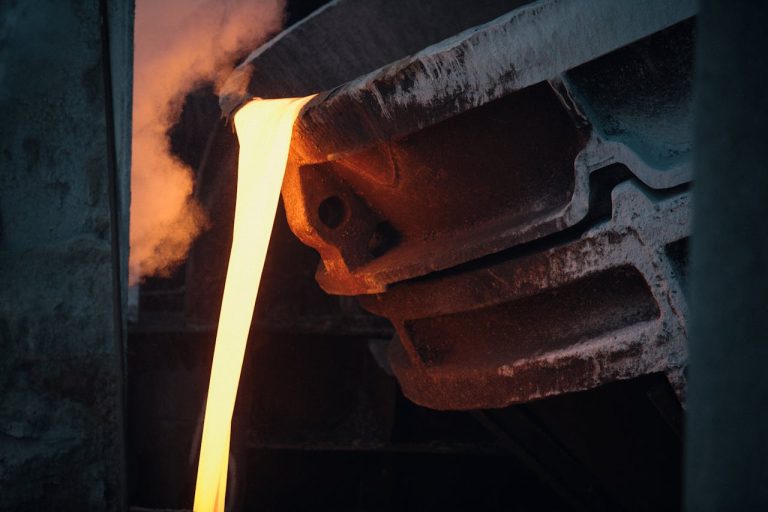
Factory output rose 1.8%, led by petroleum, chemicals, rubber, plastics and motor vehicles, adding 0.2 percentage point to GDP growth. Mining jumped 3.7%, driven by platinum group metals, gold and chromium ore. Agriculture expanded 2.5% on improved horticulture and livestock farming, while trade, catering and accommodation rose 1.7%.
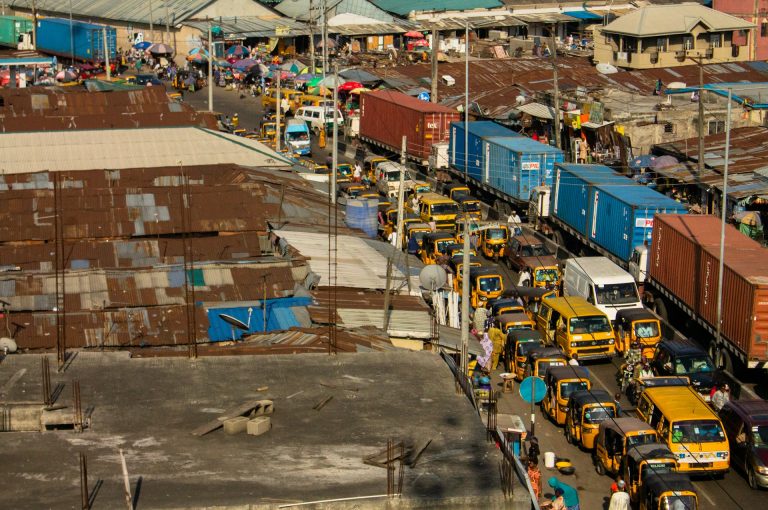
Not all sectors contributed positively. Construction declined 0.3% amid weaker demand for residential and commercial projects, while transport contracted 0.8%, reflecting ongoing logistics bottlenecks.
Household consumption remained the largest driver, expanding 0.8% and adding 0.6 percentage point to GDP. Restaurant and hotel spending climbed 4.8%, and clothing sales rose 3.4%. Government spending increased 0.7%, boosting public employment.
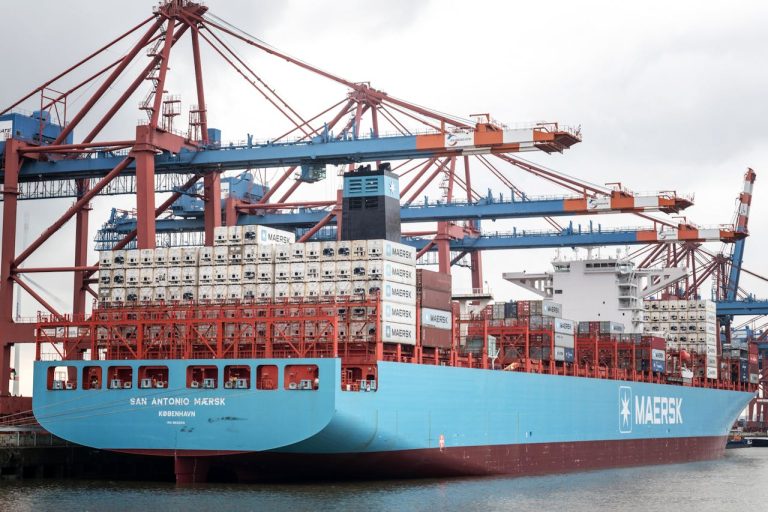
But gross fixed capital formation fell 1.4%, highlighting investor caution. Exports dropped 3.2% and imports 2.1%, shaving 0.3 percentage point from overall growth. Inventories, however, added the equivalent of $0.9 billion (annualised).
“South African Q2 performance is confirmation that the economy is still capable of identifying sources of drivers of growth in manufacturing and mining industries, but investment is a weakness,” Cape Town-based economist Siphokazi Moloi said. “Domestic infrastructure bottlenecks and global demand pressures will preclude improved momentum.”
Outlook remains fragile
The Reserve Bank kept interest rates unchanged at 8.25% to contain inflation but maintained tight financial conditions. Analysts warn the economy faces new headwinds, including falling commodity prices, weaker Chinese demand and South Africa’s long-standing energy shortages.
“We’re seeing resilience in agriculture and retail, but structural constraints — especially energy and logistics — continue to limit growth potential,” said Tanya Thomas, head of research at ProS Asset Management.