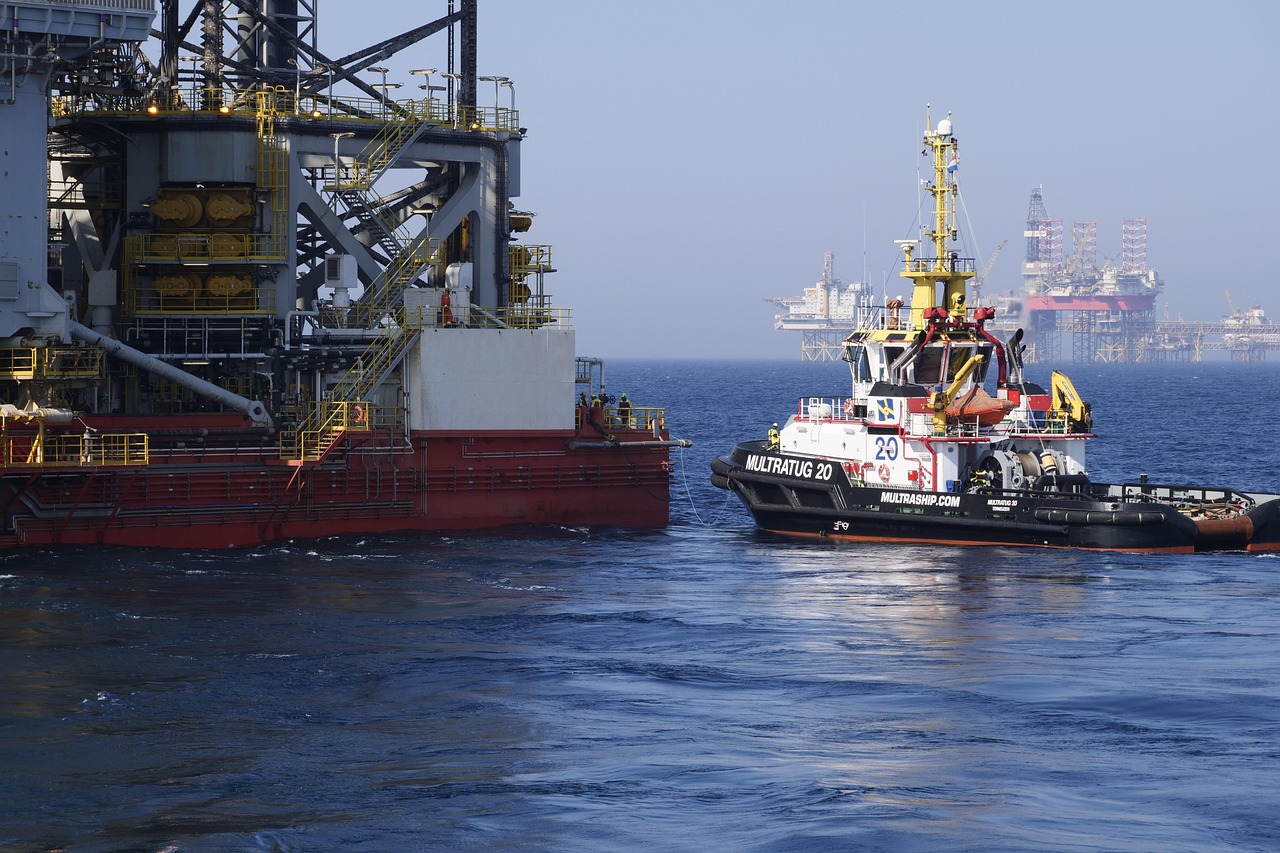
- Three major crude oil shipments totalling 2.9m barrels were exported in August
- Annual production forecast raised by nearly 13% to 34.5m barrels
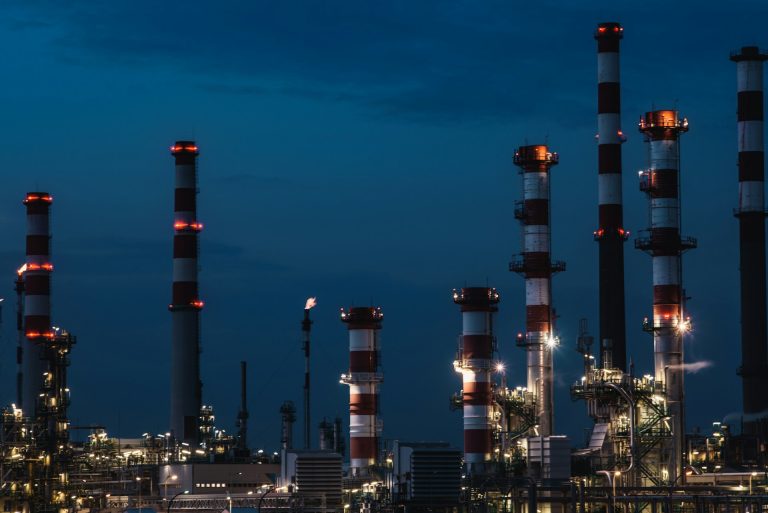
DAKAR, SENEGAL – Senegal has revised its oil production outlook sharply upward after shipping nearly three million barrels of crude in August, in a boost to state revenues from the West African nation’s emerging energy sector.
Authorities now expect 2025 output to reach 34.5 million barrels, compared with an earlier forecast of 30.53 million barrels. The revision follows strong well performance at the flagship Sangomar field and successful global marketing of recent cargoes, the Ministry of Petroleum said in a statement Monday.
Independent economist Bara Gaye said the government uses cautious pricing in its budget framework to shield public finances from oil price swings.
“For the year 2025, the Senegalese government has adopted a reference price of 65 US dollars per barrel in its Finance Law,” he said.
“Governments tend to use cautious prices, often lower than anticipated market prices, to avoid building a budget based on overly optimistic revenues.”
Gaye added that if global crude prices remain above $65, Dakar could pocket extra revenues beyond forecasts. “If the market price remains above $65 in 2025, actual revenues will exceed budget forecasts, which will constitute a financial windfall for the country,” he said.
Senegal’s petroleum law and production-sharing contracts include mechanisms to stabilise receipts, with royalties, taxes, and Petrosen’s share of profit oil forming the backbone of state income. The government has also created the Sovereign Wealth Fund for Strategic Investments (FONSIS) to channel oil money into infrastructure and productive sectors while setting aside resources abroad to guard against currency appreciation.
“The government has established a framework to avoid the classic pitfalls of natural resource management — inflation, excessive debt, corruption,” Gaye said. He pointed to models such as Norway and Ghana, and Senegal’s adherence to the Extractive Industries Transparency Initiative, as safeguards against the so-called resource curse.
The CFA franc’s peg to the euro, managed by the regional central bank BCEAO, provides a stable monetary anchor and helps sterilise foreign exchange inflows, Gaye said, noting that the policy is designed to limit inflationary pressures and shield competitiveness.