- Top opposition leaders in Tanzania and Uganda face treason charges ahead of polls
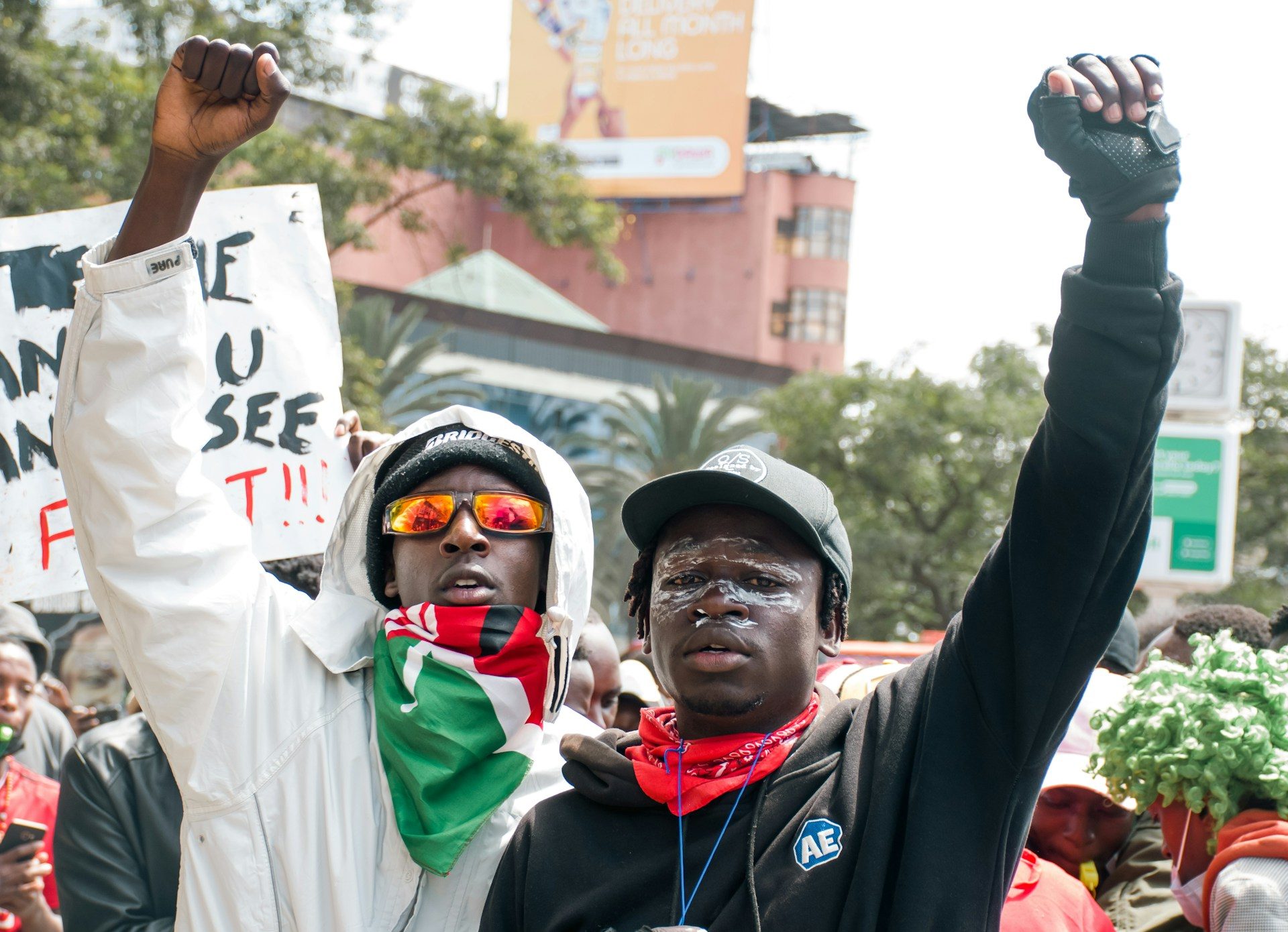
- In Kenya, opposition rallies disrupted by armed groups allegedly backed by the state
NAIROBI, KENYA – Opposition leaders across East Africa say they are increasingly under pressure from ruling regimes, raising fears that upcoming elections in the region will be marred by intimidation.
Tanzania votes in October, while Uganda heads to the polls in January 2026. In both countries, leading opposition figures are battling treason charges – a development analysts warn could tilt the playing field ahead of the vote.
In Tanzania, Chama cha Demokrasia na Maendeleo (CHADEMA) leader Tundu Lissu has been in court for months on treason charges against President Samia Suluhu Hassan. CHADEMA is the main opposition party in the country.
In Uganda, veteran opposition leader Kizza Besigye of the Forum for Democratic Change (FDC) faces similar charges against President Yoweri Museveni’s government. Despite frail health, Besigye has been repeatedly jailed. He was dramatically arrested in November 2024 while attending a book launch in Nairobi and deported back to Uganda to stand trial.
Kenya, which holds its next elections in August 2027, has also seen growing hostility toward opposition groups. Supporters of former Deputy President Rigathi Gachagua say armed militias have repeatedly disrupted their rallies – sometimes under police supervision. Opposition leaders accuse President William Ruto of “sponsoring” the youth groups.
Analysts warn of fading democracy
Martha Karua, lawyer and leader of the People’s Liberation Party (PLP), said the region’s leaders have embraced authoritarianism.
“It is unfortunate that democracy is slowly fading in East Africa. We have a generation of leaders who, due to their declining popularity, have resorted to using any means at their disposal to suppress dissenting voices,” Karua told Allen Dreyfus in Nairobi.
David Maraga, Kenya’s former chief justice, defended his decision to travel to Tanzania in solidarity with Lissu.
“We did not go to Tanzania to disrupt their peace. We went to stand in solidarity with Tanzania’s opposition leader [Lissu], who is fighting for his rights and those of others. As you know, if there is no democracy in Kenya, Tanzania will also have a problem,” Maraga said.
From New York, Prof David Monda, a US-based Kenyan political analyst, said regimes are struggling to contain a new wave of political consciousness.
“There is a wave of new political re-awakening being witnessed across East Africa. This seems to have caught regimes in power unawares, and as a result, the use of extreme force is silencing dissenting voices,” he said.