- U.S.-brokered Congo-Rwanda peace deal sparks minerals access debate
- President Tshisekedi faces backlash over alleged U.S. mineral privileges
A U.S.-brokered peace deal between Congo and Rwanda has stirred global debate, linking hopes for regional stability with America’s pursuit of Congo’s vast mineral wealth.
For the Trump administration, the accord promised dual rewards: peace between two feuding neighbours and privileged access to the DR Congo’s vast mineral reserves – vital to global clean energy and defence industries.
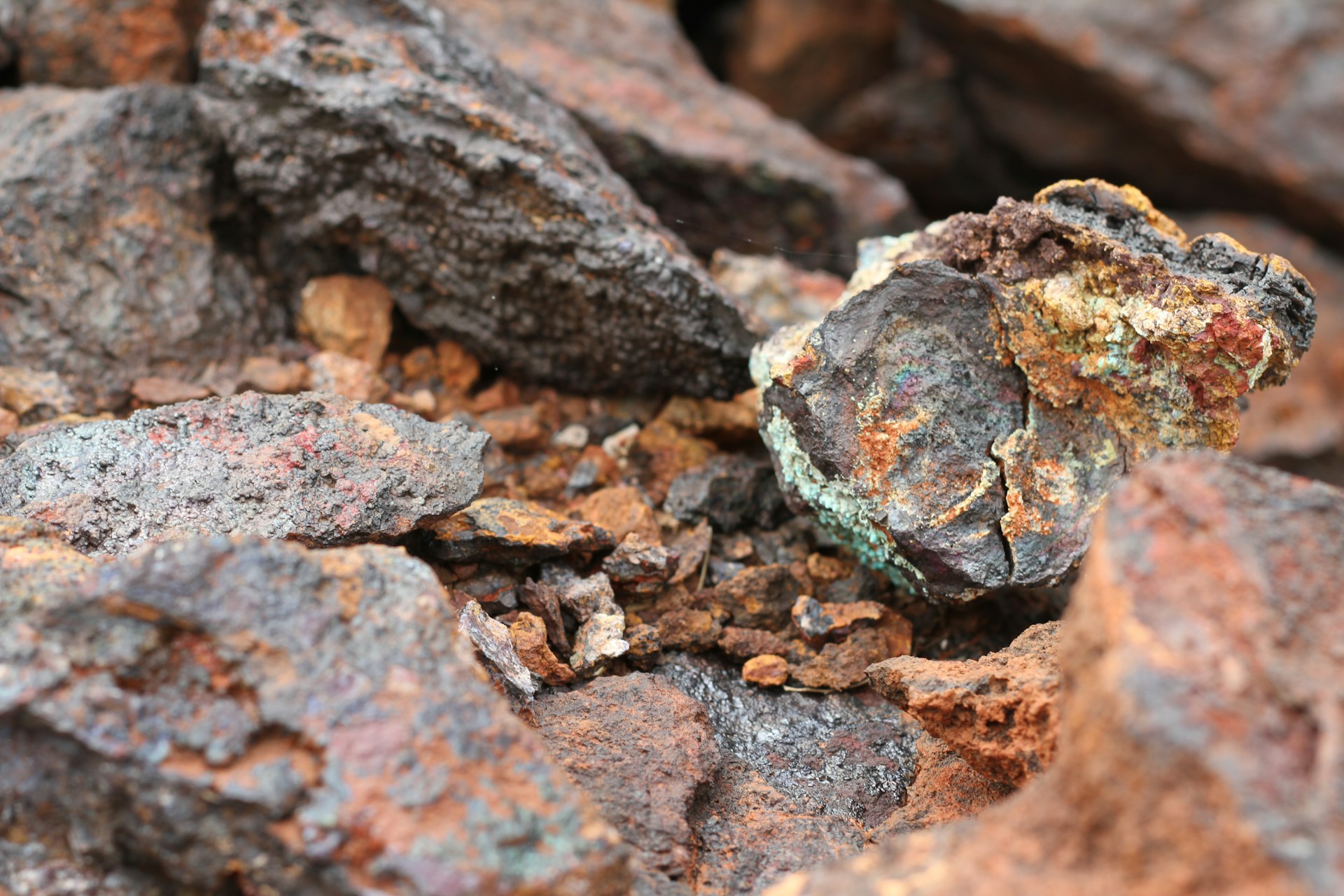
The DR Congo, long scarred by three decades of internal conflict that has claimed millions of lives, sits atop more than half of the world’s known cobalt reserves, as well as rich deposits of tantalum and lithium. The World Bank says the country will be indispensable to the global energy transition as the world pivots to renewable technologies.
Washington sees Kinshasa as a crucial partner in countering China’s dominance in Africa’s mineral supply chains. The new “regional economic integration framework,” signed by the DRC and Rwandan foreign ministers in Washington, reflects this ambition. It seeks to deepen trade ties and secure supply routes for strategic minerals — a subtle nod to America’s broader geopolitical play against Beijing.
In February, President Félix Antoine Tshisekedi signalled openness to U.S. investment, telling American partners he would “welcome American investments in critical minerals.” A letter sent via the Africa-USA Business Council to then–Secretary of State Marco Rubio urged stronger military cooperation and security guarantees in exchange for access to mineral resources.
Political backlash and governance concerns
But by September, Tshisekedi appeared to be backtracking. In his address to the United Nations General Assembly, he distanced himself from speculation about exclusive American access.
“The DRC plans to centre debate on exemplary governance of strategic minerals in order to guarantee exploitation that complies with the principles of sustainable development, economic sovereignty and people’s well-being on a global scale,” he said.
In a later interview, he reiterated: “The DR Congo will no longer simply serve as an extraction land but we will also be a land of transformation.”
Analysts say Tshisekedi’s recalibration stems partly from domestic and regional pressure. Civil society groups and opposition parties have criticised the government’s perceived willingness to trade mineral rights for security support. The backlash mirrors wider anti-Western sentiment across Francophone Africa, where public distrust of Western influence has reshaped diplomatic alignments from Mali to Niger.
Meanwhile, fighting in Congo’s northeast – blamed partly on Rwanda’s alleged backing of the M23 rebel group – has persisted despite the peace accord, prompting speculation that Kinshasa could be leveraging its mineral stance to pressure Washington into restraining Kigali.
A delicate balance between China and the West
At home, Congo’s minerals diplomacy remains fraught. Kinshasa was forced to renegotiate its 2008 infrastructure-for-minerals deal with China last year after Beijing invested less than 30% of the pledged amount. The revised deal, valued at $7 billion, exposed what critics call the vulnerabilities of a state still struggling to assert control over its immense natural wealth.
With only 20% of Congo’s landmass surveyed for mineral potential, experts say the stakes are high. Future exploration will require not only foreign capital but also robust legal and environmental safeguards to ensure Congolese citizens benefit from their country’s riches — rather than becoming casualties of another geopolitical tug-of-war.