- Mali’s fuel shortage cripples economy, triggers public anger
- Government price freeze blamed for black market boom
BAMAKO, MALI – Mali is grappling with a worsening fuel shortage that is crippling its economy and igniting public frustration, as government price controls choke supply and fuel an expanding black market.
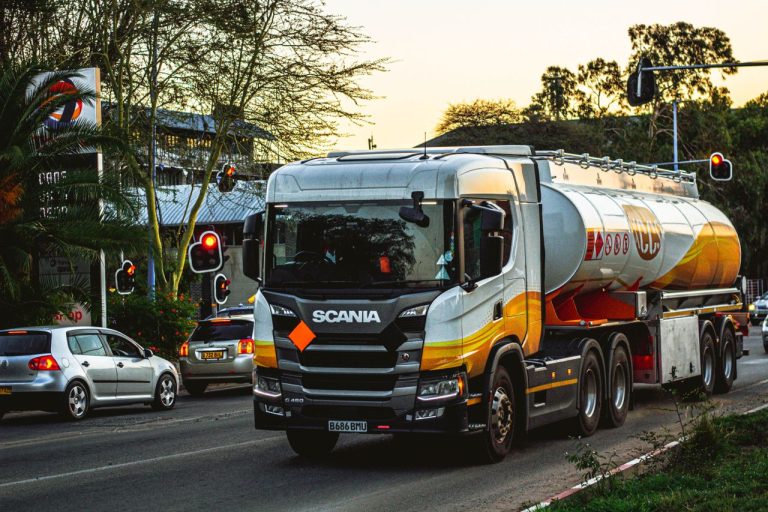
Long queues at petrol stations, shuttered pumps and paralysed transport services have become common across the country. The government has kept the price of petrol fixed at 775 CFA francs per litre ($1.38) and diesel at 725 CFA francs ($1.29), despite surging global oil prices.
Economist and energy expert Fatou Sarr said the policy is pushing importers and distributors to the brink.
“Maintaining prices at an artificially low level is a classic mechanism that creates a shortage through a powerful imbalance between supply and demand,” she explained.
According to Sarr, fuel importers who buy on the international market in dollars are now selling at a loss. “If the selling price imposed by the Malian government is lower than their purchasing, transportation, and distribution costs, they sell at a loss. Unless they are heavily subsidised – which poses other cash flow problems for the government – they have no economic interest in importing. They therefore reduce their volumes or completely stop their supplies,” she said.
Distributors, meanwhile, are receiving less fuel from importers but face overwhelming demand. “Some may even be tempted to resell part of their stock on the informal market at a higher price, which exacerbates the shortage on the official network,” Sarr added.
Black market thrives as shortages worsen
With supply collapsing and prices frozen, experts warn the imbalance between demand and supply is growing. “A low price encourages consumption, even waste,” Sarr said. “It can also stimulate illicit resale or smuggling to neighbouring countries where prices are higher, thus diverting part of the already reduced supply.”
As a result, petrol stations are running dry, queues are lengthening, and the black market is thriving with prices far above official rates.
“The public’s anger will only subside when they see fuel flowing sustainably and at an acceptable price at gas stations,” Sarr warned, urging swift action. She said the government must adopt “a mix of urgent logistical action (imports, securing transport), market regulation (price and distribution controls), and crisis communication.”
She emphasised that the success of these measures would depend not only on announcements but on tangible implementation to resolve the financial bottlenecks at the heart of the crisis.
Calls for investigation
Authorities are under mounting pressure to open investigations into speculation and the illegal resale of fuel. “It is very likely that the Malian authorities have announced or are considering opening investigations to identify the causes of this shortage,” Sarr noted. “Investigations could target resellers who are taking advantage of the situation to abusively increase prices.”
She added that dismantling black market networks would be key “to track down those who divert fuel to resell it illegally at exorbitant prices.”
As Mali’s fuel crisis deepens, economists warn that without swift and credible government action, the shortage risks inflaming broader economic instability in the fragile Sahel nation.