- Biya wins re-election with 53.66% amid violent unrest
- Opposition denounces “fraudulent” results, U.S. warns of instability
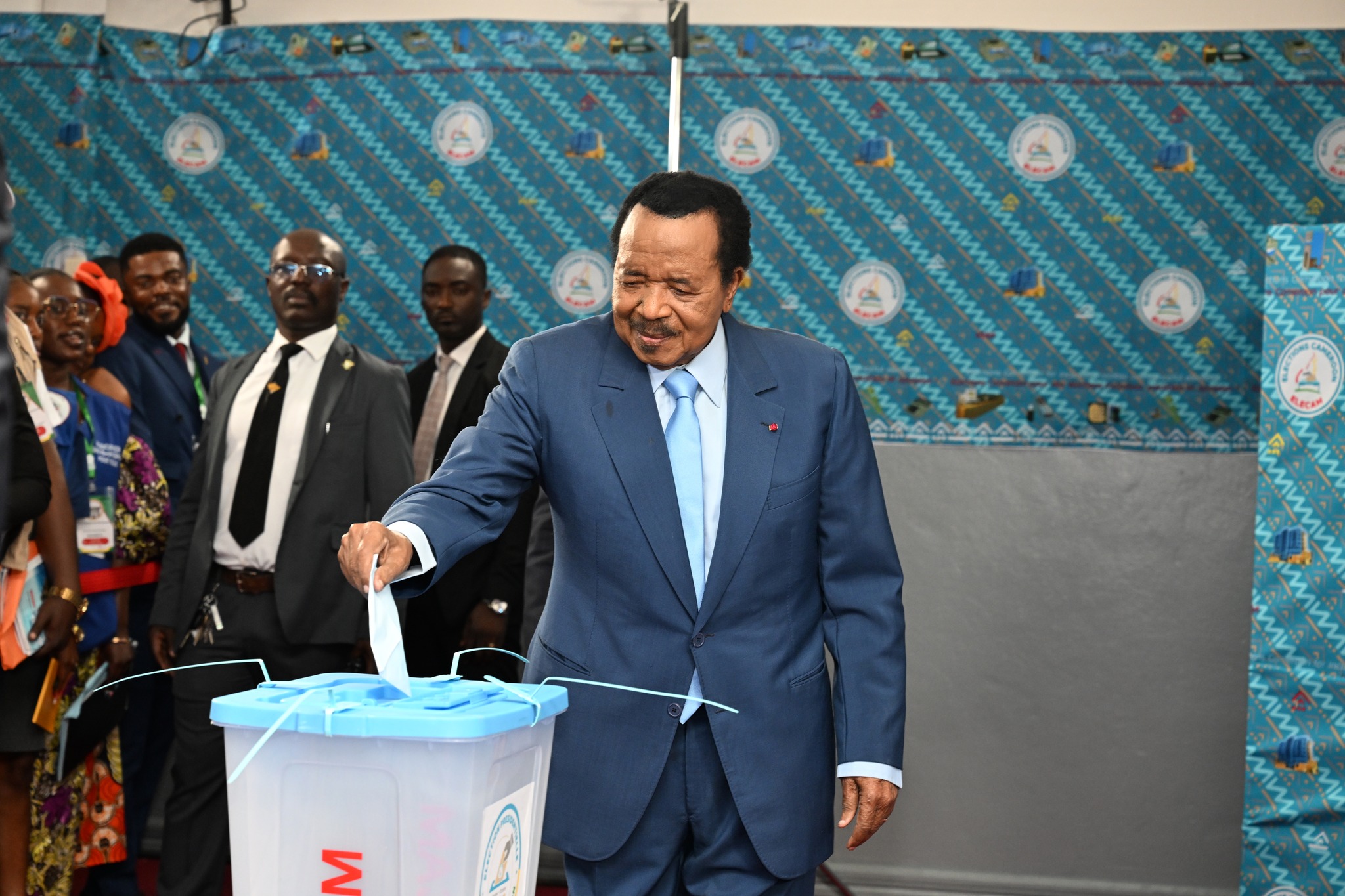
YAOUNDÉ, CAMEROON – Cameroon’s Constitutional Council has declared President Paul Biya the winner of the October 12 election, extending his 43-year rule amid deadly post-election unrest and widespread allegations of fraud.
The 92-year-old leader secured 53.66% of the more than 4.6 million valid votes, defeating his main rival Issa Tchiroma Bakary, who won 35.19%, according to the Council’s final and unappealable ruling issued 15 days after polls closed.
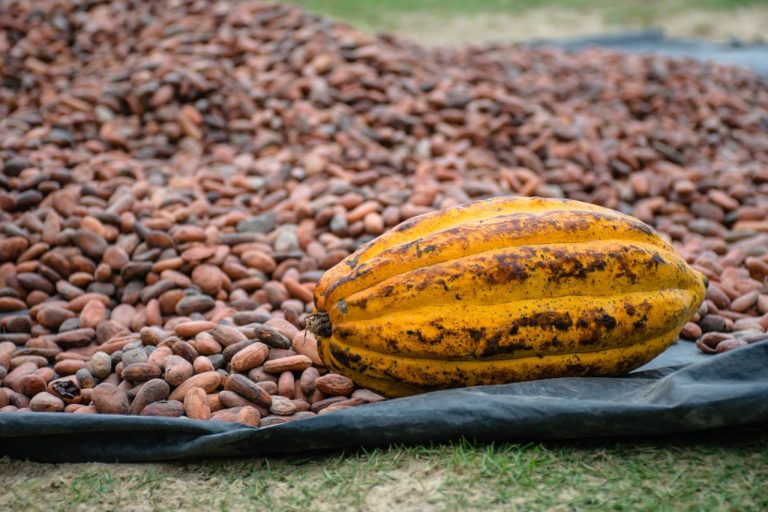
The decision ignited violent protests across the cocoa- and oil-rich nation. Demonstrators in Garoua — Bakary’s hometown — and the economic capital Douala clashed with security forces, torching vehicles and vandalising businesses, including a state-owned Tradex fuel station.
Governor Ivaha Diboua Samuel Dieudonne of the Littoral Region said at least four people were killed in Douala, while more than 100 protesters were arrested. Social media footage showed chaos as police fired tear gas and live rounds to disperse crowds chanting “We want change!”
Opposition fury and mounting unrest
Tchiroma, who had prematurely declared victory, called the official results a “travesty of democracy” and accused state security forces of targeting his supporters.
“State-sponsored snipers on mission killed two people who gathered near my residence,” he wrote on Facebook. “Shooting point-blank at your own brothers… Kill me if you want, but I will liberate this country by any means necessary.”
Other opposition figures, including Akere Muna and Tomaino Ndam Njoya, rejected the outcome as fraudulent. “This is not an electoral result; it is the culmination of a 43-year systemic architecture designed for one purpose — the perpetual retention of power,” Muna said.
The Constitutional Council dismissed opposition petitions alleging ballot-stuffing and intimidation, ruling that the election was conducted “in conformity with the law.”
Biya, meanwhile, thanked voters and urged calm. “With the presidential election behind us, I sincerely hope that, together, we resolutely undertake to build a peaceful, united and prosperous Cameroon,” he said in a statement.
As night fell on Monday, Yaoundé, Douala and Garoua remained under heavy military presence. The U.S. Embassy in Yaoundé warned its citizens to avoid protest areas and stay indoors.
Francois Conradie, Lead Political Economist at Oxford Economics, said Biya’s re-election under such conditions could deepen instability. “A scenario in which the CPDM maintains power through fraud and intimidation risks political decline, social unrest, and a possible military coup,” he said.