- World Bank supports Tunisia’s $430mn energy overhaul
- Plan targets renewables, governance, Eurobond stability
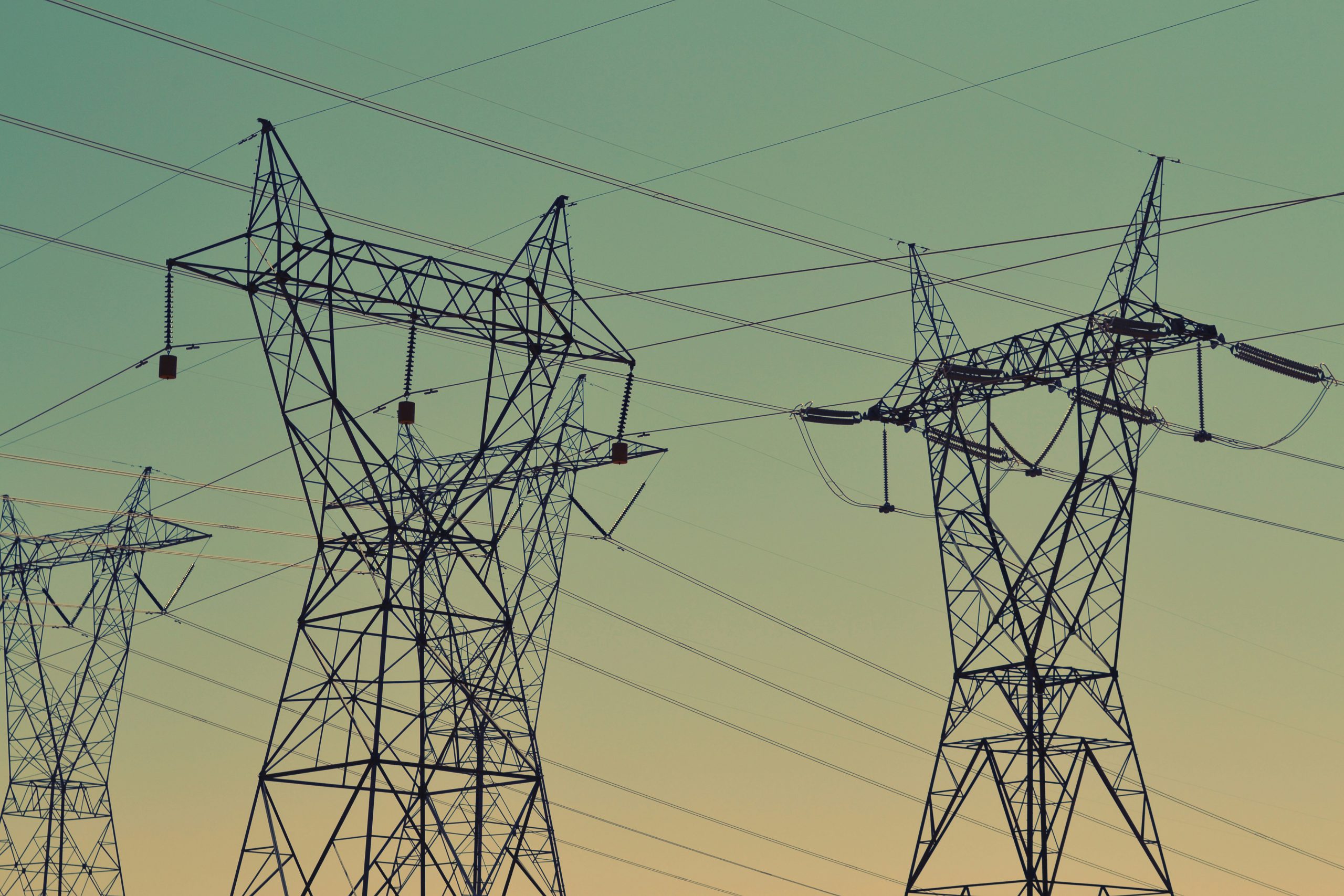
TUNIS, TUNISIA – Tunisia and the World Bank have agreed a $430 million financing package to modernise the North African country’s power sector and accelerate its transition to clean energy.
The five-year Tunisia Energy Reliability, Efficiency, and Governance Improvement Programme (TEREG) includes $30 million in concessional financing and is designed to deliver reliable, affordable electricity while lifting the operational performance of the national utility, STEG.
Aligned with Tunisia’s updated Energy Transition Strategy, TEREG aims to expand solar and wind capacity, strengthen sector governance, and reduce the carbon intensity of power generation. The programme also seeks to attract private capital, improve STEG’s financial health, and secure electricity supply for homes and businesses.
“By fostering renewable energy development, TEREG will strengthen Tunisia’s position in clean energy, creating economic opportunities and ensuring long-term energy security,” said Alexandre Arrobbio, World Bank Country Manager for Tunisia. “This project reflects our strong partnership with Tunisia and supports its sustainable development goals.
“It builds on our long-standing engagement in Tunisia’s energy sector and complements ongoing initiatives like the Tunisia-Italy Electricity Integration Project (ELMED), the Energy Sector Improvement Project, and advisory services from the International Finance Corporation and the Multilateral Investment Guarantee Agency, aligning with Tunisia’s Country Partnership Framework and its commitments under the Paris Agreement,” he added.
The programme’s targets are ambitious: raising $2.8 billion in private investment, installing 2.8 gigawatts of additional solar and wind power by 2028, and creating more than 30,000 jobs—most during the construction of renewable projects. It also seeks to cut electricity delivery costs by 23%, increase STEG’s cost recovery from 60% to 80%, and reduce subsidies by TND 2.045 billion.
“This is the first project to benefit from the World Bank’s Framework for Financial Incentives, receiving rewards for its size and long-term benefits in recognition of its impact on reducing greenhouse gas emissions,” said Amira Klibi, Senior Energy Specialist at the World Bank and Task Team Leader for the project.
The initiative will expand clean energy capacity, upgrade old infrastructure, and crowd in private sector financing to reduce Tunisia’s reliance on fossil fuels while creating new employment opportunities.
Nigerian energy analyst Chukwuemeka Okafor said the approval sends a message beyond Tunisia. “This approval is a strong signal that North Africa is serious about sustainable energy development,” he told Allen Dreyfus. “It also emphasises how international finance can help expedite renewable projects throughout the continent.”
Macroeconomic implications for Tunisia and the region
Internationally backed energy projects are often viewed as low-risk, strengthening investor confidence in a country’s economic management. Analysts say TEREG could help stabilise Tunisia’s Eurobond performance, potentially reducing spreads over time as fiscal pressures ease.
Modernising the power sector and boosting renewable generation are expected to enhance balance-of-payments stability, reduce energy subsidies, and narrow fiscal deficits. These improvements could bolster Tunisia’s sovereign credit profile, making its Eurobonds more attractive to foreign investors.
A more reliable power system and increased clean-energy capacity are also expected to stimulate foreign direct investment and expand private participation in the energy market. The resulting economic activity and infrastructure upgrades could improve market liquidity and deepen investor appetite.
While the immediate impact on bond yields may be limited, analysts expect tighter spreads and lower borrowing costs over the medium to long term as energy-sector reforms take hold and pressure on public finances eases.
Tunisia’s efforts could become a model for other Middle Eastern and North African economies seeking to combine energy transition goals with macroeconomic stabilisation. As execution of TEREG advances, sovereign debt investors are expected to monitor progress closely, given its potential influence on Tunisia’s long-term market performance.