- Corporate cash piles hit all-time high of $96 billion
- Economists warn of risks to investment and growth
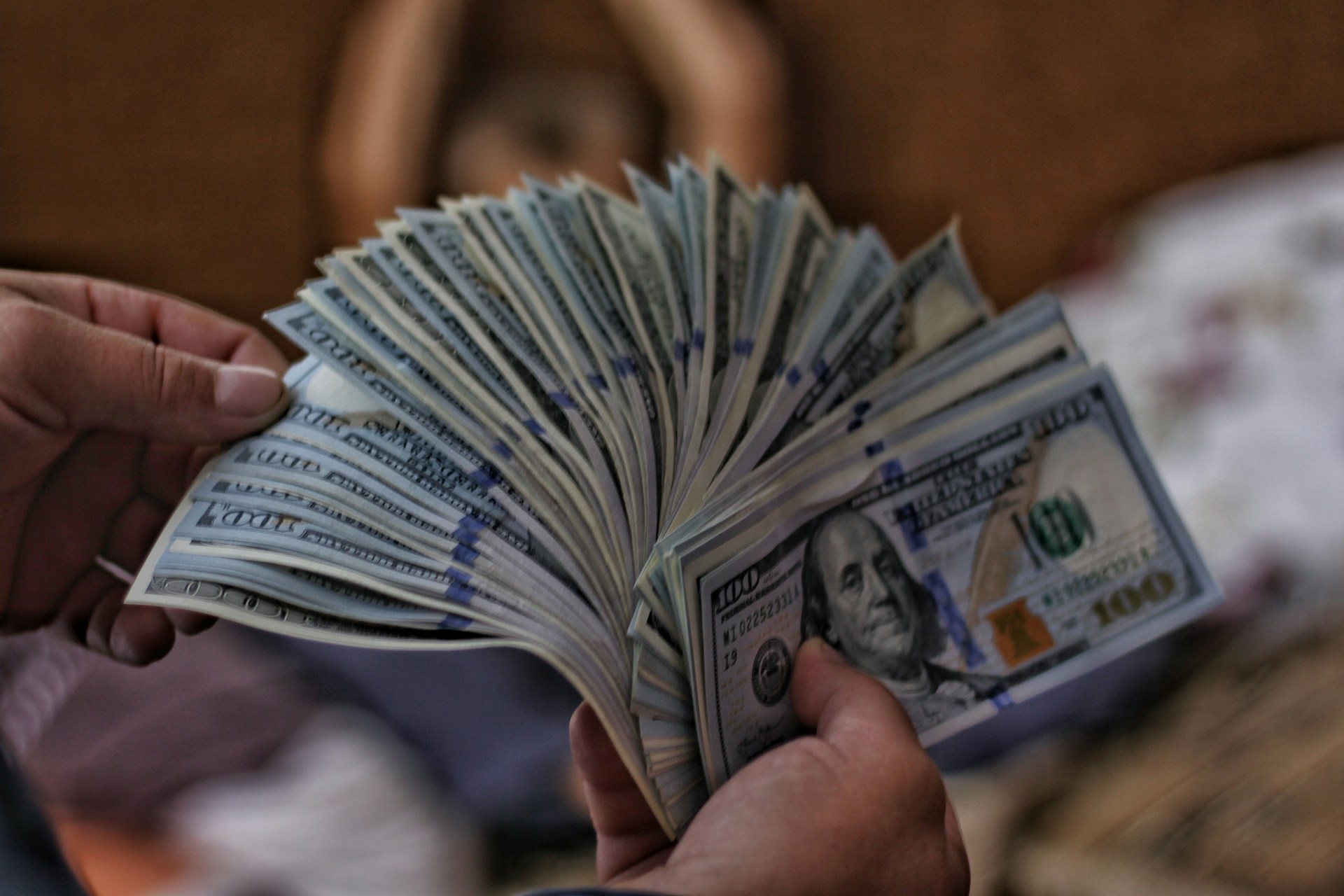
JOHANNESBURG, SOUTH AFRICA – South African companies are sitting on a record $96 billion (R1.8 trillion) in bank deposits, a sign of deep-seated caution among corporates facing a fragile economy and persistent uncertainty.
According to the South African Reserve Bank’s September Quarterly Bulletin, the amount of cash held by non-financial firms has soared by more than $18 billion since 2020, with the single largest annual increase of $9.7 billion recorded in 2024.
Economists say while inflation has partly inflated the numbers, the surge primarily reflects a “wait-and-see” strategy among businesses unwilling to commit to long-term investments in a sluggish, power-starved economy.
Defensive cash strategy
“The buildup is a defensive strategy, and not a money surplus,” said economist Lesley Mothata. “Companies are holding liquidity back, wait-and-see, until there is more certainty about infrastructure changes, fiscal policy, and customer demand.”
The trend began during the pandemic, when firms bolstered their balance sheets to cushion against shocks. Investment spending briefly matched deposit growth in 2021, but by mid-2022 deposits began outpacing GDP, widening further through 2023 — underscoring a lack of viable investment opportunities in an economy struggling for traction.
Economists note that power shortages, policy unpredictability, and weak business morale continue to weigh heavily on investor sentiment. Firms appear to prefer liquidity over expansion, reflecting broader unease about the government’s ability to restore sustained growth.
Risks for long-term growth
The Reserve Bank said companies are not “hoarding” cash but hedging against uncertainty, awaiting stronger investment signals before deploying capital. Still, experts warn that prolonged underinvestment threatens South Africa’s productive capacity and could erode potential growth in key sectors such as manufacturing, logistics, and energy.
“The longer businesses hold back, the more the country risks losing competitiveness,” one analyst observed. “Without confidence in energy reliability and clear policy direction, firms will continue sitting on their cash rather than investing.”
The swelling deposits reflect a widening gap between liquidity and real economic activity – a clear indication that despite stabilising inflation and interest rates, corporate South Africa remains unconvinced the recovery is sustainable.
As one economist put it, the cash glut “is a loud trumpet call” that South African enterprise is “well-funded but not yet convinced” the economy has entered a stable growth phase. Confidence, they say, will only return once there is tangible improvement in power supply, infrastructure delivery, and policy coordination.