- Nigeria’s commercial hub opens first-ever green bond sale worth ₦14.8bn
- Proceeds to fund flood control, renewable energy and drainage systems
LAGOS, NIGERIA – Lagos State, Nigeria’s economic powerhouse, has launched its first green bond sale valued at ₦14.815 billion ($10 million) to finance projects aimed at strengthening the city’s resilience to climate change.
The offer – part of the state’s ₦1 trillion Debt and Hybrid Instruments Issuance Programme – opened this week and will close on Thursday, November 13, 2025, according to a note from Lagos-based brokerage Lead Capital Ltd.
“The offer will be executed by way of book build and is scheduled to close on Thursday, November 13, 2025,” Lead Capital said.
The bond carries a five-year tenor with an estimated coupon rate between 15.90% and 16%, to be paid on a fixed, semi-annual basis. Payments will be funded from the state’s internally generated revenue (IGR). Investors must purchase a minimum of ₦10 million, or 10,000 units valued at ₦1,000 each.
Investing in climate resilience
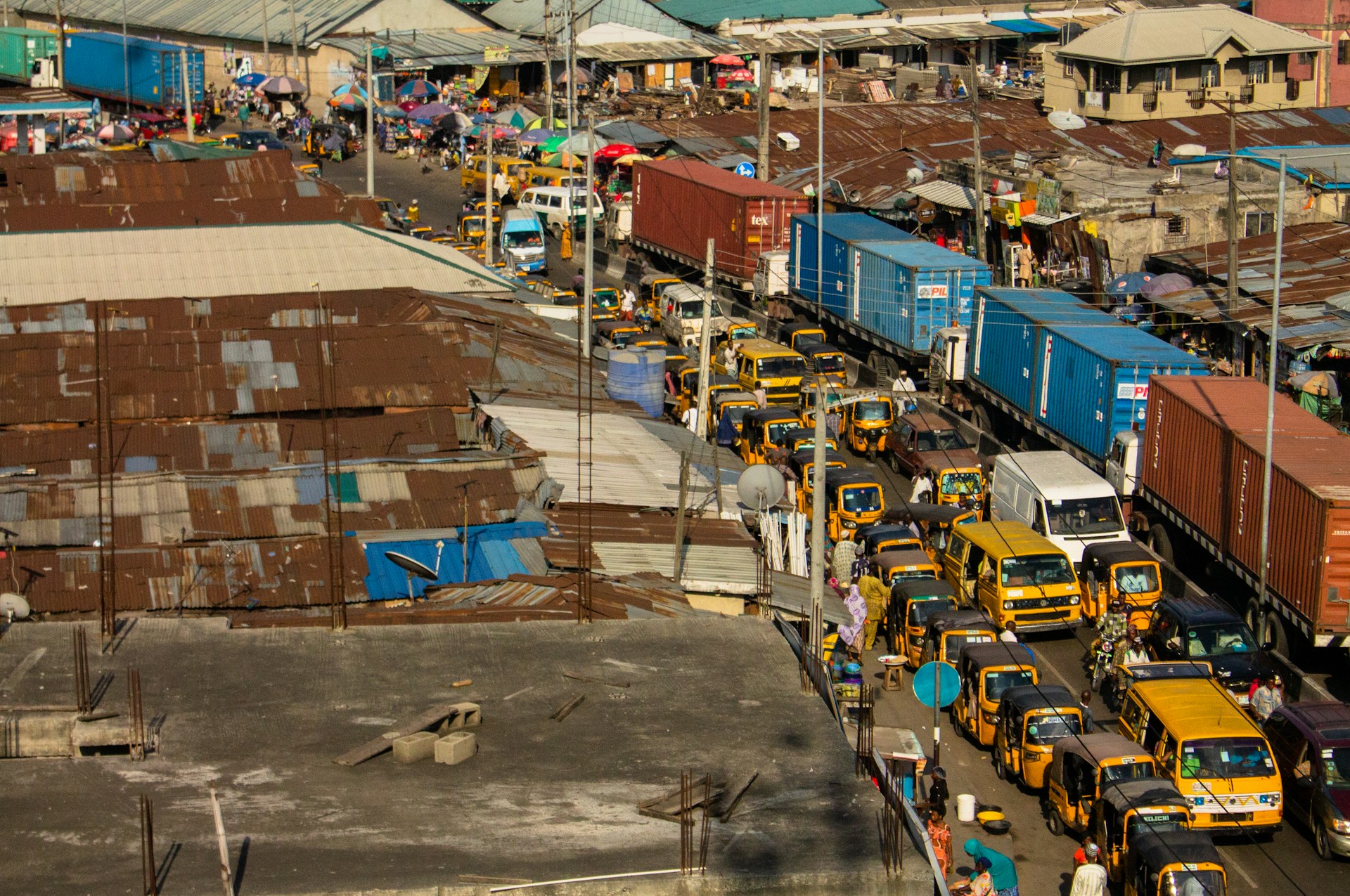
Proceeds from the sale will fund climate-resilient infrastructure, including flood mitigation, drainage upgrades, sustainable wastewater management, and renewable energy deployment – key interventions for Lagos, a low-lying coastal megacity of more than 20 million people facing rising sea levels and severe flooding.
Lagos accounts for about 20% of Nigeria’s GDP, ranking among Africa’s top 10 economies. It has previously tapped bond markets to fund major infrastructure projects such as its metro rail network connecting the mainland to Lagos Island, Victoria Island, and Ikoyi.
The state’s strong fiscal base underpins its borrowing strategy. Lagos leads all Nigerian states in internally generated revenue, which surged 105% to ₦2 trillion by end-2024, reducing dependence on federal allocations.
Debt and growth dynamics
Despite its financial strength, Lagos remains Nigeria’s most indebted subnational government, with total debt standing at ₦1.04 trillion, representing over 26% of the total domestic debt owed by Nigeria’s 36 states and the Federal Capital Territory, according to the Debt Management Office (DMO).
It also leads in external borrowings at $1 billion, roughly a fifth of the $4.8 billion owed by subnational entities – which together account for 10% of Nigeria’s $46.9 billion total external debt.
Still, analysts say Lagos’s robust revenue generation and strong creditworthiness position it well to sustain further borrowing. By using the capital markets to fund sustainable projects, Lagos aims to strike a balance between fiscal expansion and environmental stewardship — a model that could reshape how African megacities confront climate and infrastructure challenges.