- Ghana’s foreign reserves hit $12bn, boosting cedi stability
- Currency gains 37% year-to-date on strong central bank interventions
ACCRA, GHANA – Ghana’s gross international reserves have climbed to about $12 billion, marking one of the country’s strongest external buffers in recent years and strengthening confidence in the local currency.
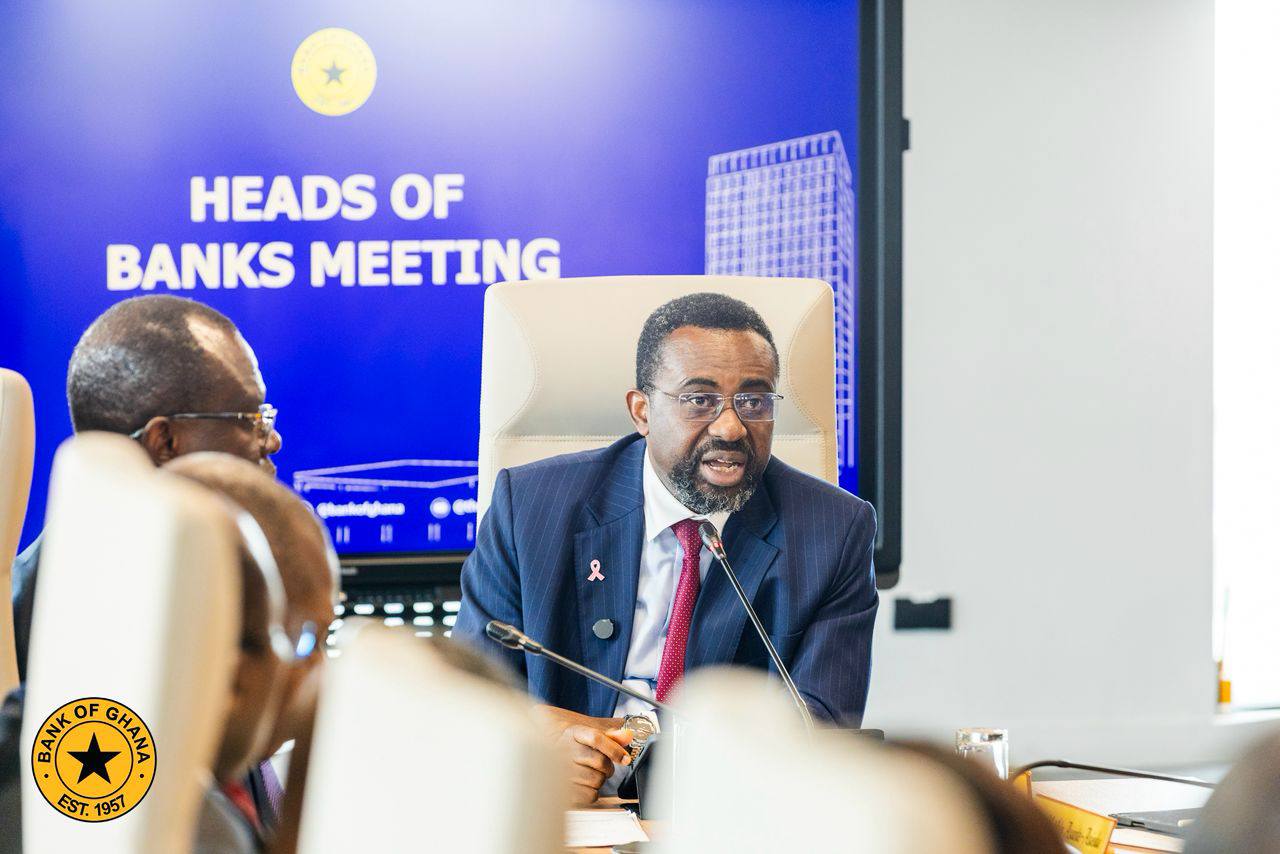
The reserve build-up has helped the cedi appreciate by 13.25% month-to-date, bringing year-to-date gains to roughly 37%, according to the Governor of Bank of Ghana, Dr Johnson Pandit Asiama.
The appreciation reflects sustained foreign exchange interventions under the central bank’s $1.5 billion stabilisation programme, with the market expecting the currency to hold steady around GH¢10 per US dollar in the near term.
Policy reforms driving stability
Speaking at the launch of the cedi’s 60th anniversary celebration in Accra, Dr Asiama attributed the progress to disciplined fiscal and monetary policies that have restored market confidence and improved the balance of payments.
“These gains are not by accident,” he said. “They are the outcome of hard, sometimes unpopular, but principled decisions.”
He noted that the reserve accumulation signals Ghana’s gradual recovery from years of macroeconomic instability, during which its foreign exchange buffers were severely depleted. The $12 billion stockpile, he added, enhances the Bank’s capacity to manage currency volatility and ensure steady FX liquidity.
Market analysts say policy tightening, renewed investor confidence, and improved foreign exchange inflows have anchored expectations and reduced speculative pressure on the cedi.
“We expect the currency to stabilise around the GH¢10/USD level in the near term,” Apakan Securities said in a note to investors.
A moment of cautious optimism
Dr Asiama described Ghana’s current position as a turning point. “We are not yet where we want to be, but we are no longer where we were,” he said, calling it “a moment of hard-won stability and cautious optimism.”
He reaffirmed the central bank’s commitment to maintaining price stability, preserving financial system resilience, and supporting long-term inclusive growth. “Our mandate remains unchanged,” he said.
Economists see the stronger reserves as vital to sustaining Ghana’s recovery under its IMF-supported programme. The increased buffer gives the Bank of Ghana greater flexibility to cushion the economy against external shocks such as commodity price swings and tighter global financial conditions.
As the cedi marks 60 years, Dr Asiama said the milestone symbolises not nostalgia but endurance. “We celebrate not out of nostalgia, but from a place of hard-won stability,” he said.