- Agricultural exports hit hardest, cocoa and coffee slump sharply
- Energy gains fail to offset wider commodity downturn across region
Export commodity prices across the Central African Economic and Monetary Community (CEMAC) fell again in Q3 of 2025, extending a downturn that began earlier in the year, according to new data from the Bank of Central African States (BEAC).
In its latest Composite Commodity Price Index (ICCPB) report, the regional central bank said “the global prices of the main commodities exported by CEMAC countries declined again, continuing the downward trend observed in the second quarter of 2025.”
The index fell by 4.7% between July and September, following a 9% drop in the previous quarter, BEAC said.
Agricultural exports under strain
The report tracked 20 key commodities representing 90% of export value from CEMAC countries — Cameroon, Chad, the Central African Republic, the Republic of Congo, Equatorial Guinea, and Gabon. BEAC attributed the overall decline mainly to “the decline in non-energy products, particularly agricultural commodities,” despite a “slight rebound in energy products.”
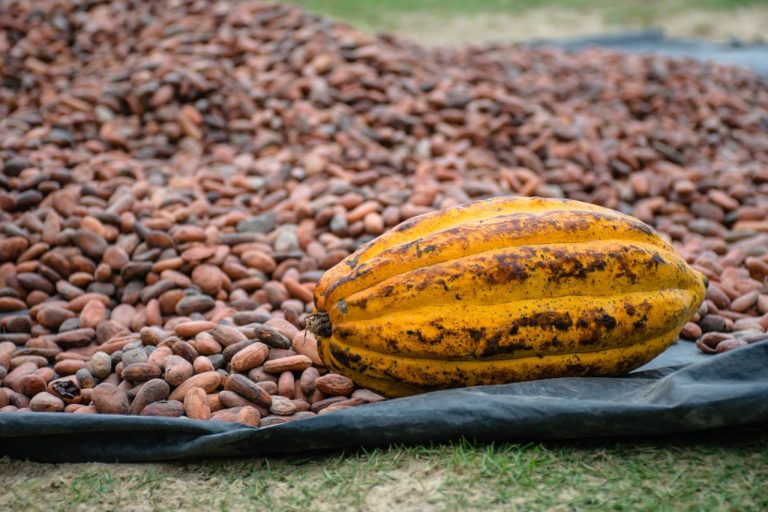
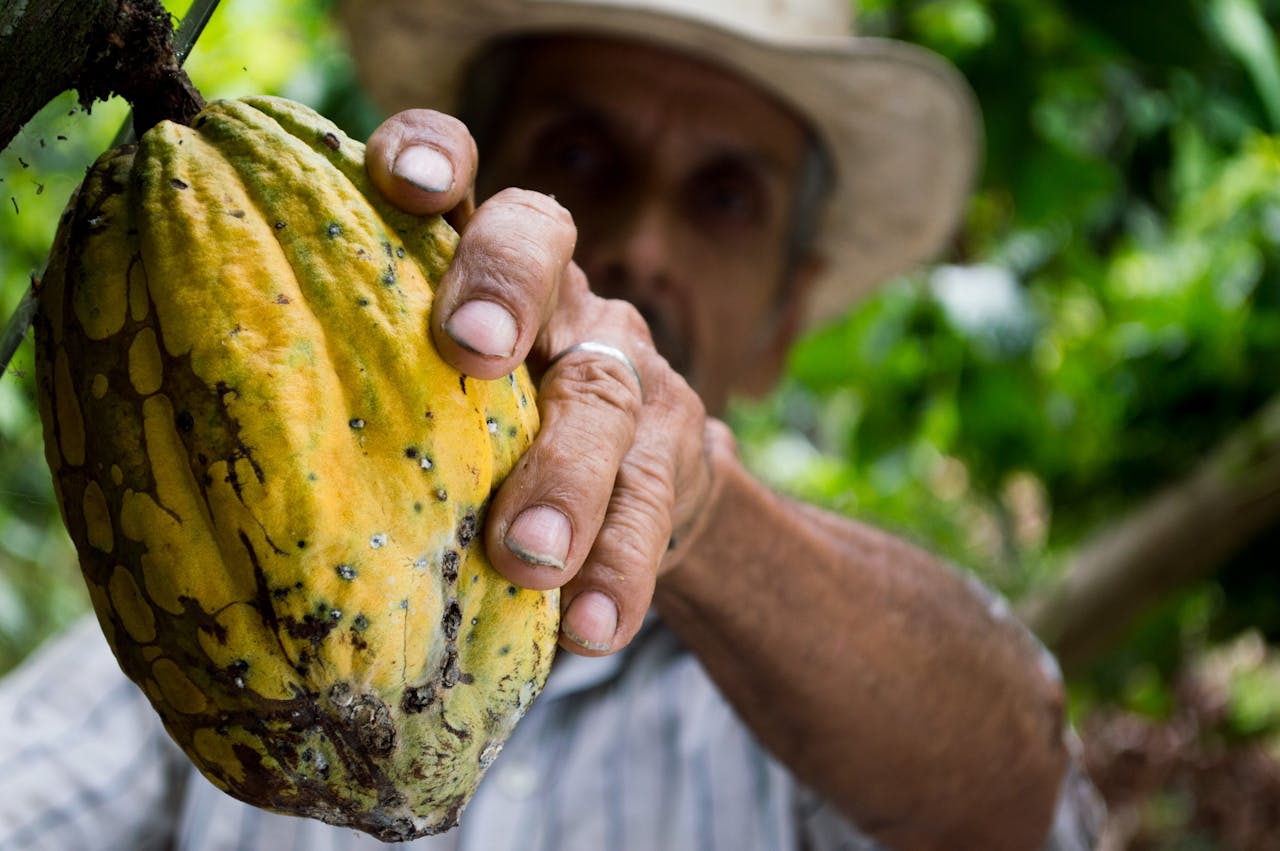
Agricultural exports were the hardest hit. Cocoa prices plunged 13.9%, coffee dropped 8.9%, rice fell 7.4%, and tobacco declined 6.7%. However, modest gains in palm oil and beef helped cushion the fall.
“The fall was linked to lower prices across most agricultural markets,” the bank said, warning that the trend was putting pressure on the region’s non-oil revenue base.
Energy products provided only mild support and were insufficient to offset the downturn in other sectors. Crude oil prices rose by 2.3% to $67.5 per barrel, up from $65.9 in the second quarter, driven by a short-term rebound in demand and geopolitical tensions in the Middle East. “These temporary factors outweighed concerns about oversupply and slowing global demand,” BEAC said.
Natural gas prices fell 4.9% to $8.71 per mmbtu due to reduced summer heating demand, high storage levels in Europe, and steady LNG imports.
Metals and minerals offered some relief, with aluminium up 7%, gold up 5%, iron rising 4.8%, and manganese edging 0.4% higher. The bank attributed this recovery to improved industrial demand in Asia and renewed investment activity, particularly in China.
When adjusted for movements in the US dollar-CFA franc exchange rate, the overall index dropped 3.8%, after a sharper 12.9% decline in the previous quarter.
Fiscal pressure building
For years, oil and other commodities have been the lifeblood of CEMAC economies, generating the bulk of fiscal revenues. But analysts warn that the latest declines could weaken government income, constrain public spending, and push countries toward higher borrowing.
“The sustained decline in commodity prices poses significant risks to budgetary stability across the region,” one regional economist said, adding that governments may soon face “difficult choices between austerity and debt.”
BEAC’s data underscore growing economic vulnerability across Central Africa, where diversification efforts remain slow despite repeated calls to reduce reliance on volatile global commodity markets.