- World Bank warns Uganda’s oil dependence could derail 2040 growth plan
- Low tax collection and global energy transition pose major economic risks
KAMPALA, Uganda – The World Bank cautioned Uganda that its ambitious plan to expand its economy tenfold by 2040 could falter if it continues to depend heavily on uncertain oil revenues.
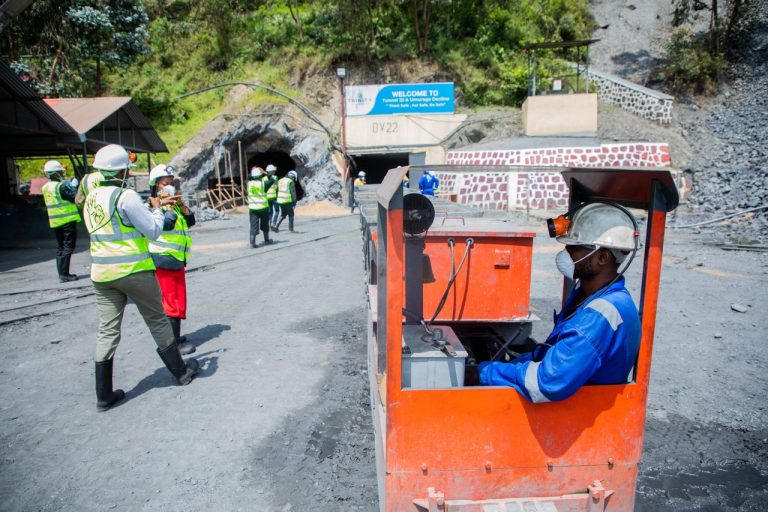
Uganda’s government aims to grow its economy from $53 billion to $500 billion within 15 years, requiring annual growth of at least 10 percent – up from the current 6.3 percent. However, the World Bank says the plan’s success is “heavily tied” to oil production expected to begin in 2025, a timeline now clouded by infrastructure delays.
In its 25th Uganda Economic Update, the World Bank warned that project delays and the global transition to cleaner energy could make Uganda’s oil reserves less profitable.
“Therefore, it is essential to prioritise the non-oil private sector to prevent over-reliance on volatile oil revenue,” the report stated.
The Bank noted that Uganda’s domestic revenue mobilisation remains alarmingly low, at just 13.5 percent of GDP – far below regional peers. Qimiao Fan, a World Bank Division Director, said Uganda must boost this figure as access to external financing continues to tighten.
The report faulted Uganda’s narrow tax base, with many large firms under-contributing and a wide segment of private sector earners operating outside the tax net. It also criticised tax holidays – some lasting up to 10 years – for further eroding government revenue.
The World Bank further identified growing public debt, climate vulnerability, and high debt-servicing costs as threats to fiscal stability. It recommended reforms to cut regulatory bottlenecks, enhance market competition, and channel more resources into health and education to strengthen human capital productivity.
Government defends fiscal strategy
Patrick Ocailap, Deputy Permanent Secretary at the Ministry of Finance, Planning and Economic Development, pushed back on the Bank’s assessment. He argued that the low revenue-to-GDP ratio reflects Uganda’s rapid economic expansion rather than poor tax performance.
Ocailap also disputed the World Bank’s reported fiscal deficit of 7.6 percent, saying the figure was inflated by the way some government spending was classified. “Debt servicing largely goes to debt that was acquired for infrastructure and other development purposes, and therefore, repayment or servicing cannot be categorised as consumptive,” he said.
Looking ahead, Ocailap said the government plans to diversify exports, dismantle trade barriers, and strengthen governance in the oil and gas sector. He added that borrowing would be managed prudently and the Uganda Revenue Authority will expand digital systems to curb tax leakages.
Despite the warnings, the government insists that even without oil, Uganda’s economy will grow by an average of 8 percent in the medium term.