- Mamo Mihretu resigns as Ethiopia transitions to market-based exchange rate
- Departure raises uncertainty over continuity of reforms and investor confidence
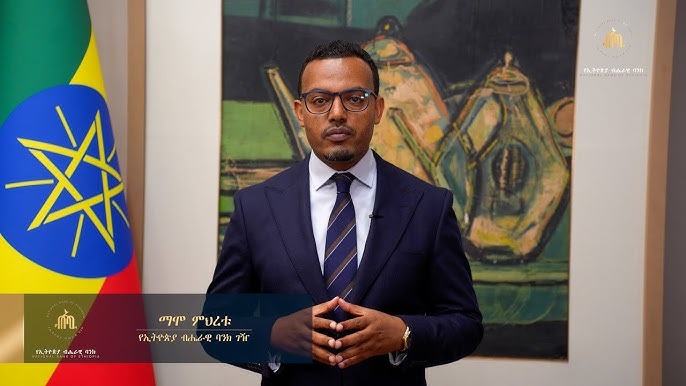
ADDIS ABABA, ETHIOPIA – Ethiopia’s central bank governor Mamo Mihretu has resigned in a move that jolted the country’s financial and business community, coming as the government pursues its most ambitious economic reforms in decades.
“After seven years of dedicated public service in different capacities, the time has come for me to leave government to pursue other passions and tackle other challenges,” Mihretu wrote in a farewell message on his X account.
“On leaving the NBE today, I am confident that the vision of a modern central bank that is fit for purpose is within reach,” he added.
Reform record and achievements
Appointed governor of the National Bank of Ethiopia (NBE) in 2023, Mihretu spearheaded a modernisation agenda that included moving toward a market-determined exchange rate, liberalising the financial sector and adopting a new monetary policy framework.
Under his leadership, Ethiopia secured $10.5 billion in external financing from the IMF, World Bank and other partners. Officials credit his tenure with tripling foreign currency reserves, reducing inflation to its lowest level in seven years, and expanding digital payments tenfold.
“These and other historic achievements of the government are nothing short of remarkable,” Mihretu said.
Unfinished reforms and uncertain future
The reforms remain incomplete, however, with forex shortages, debt stress and a fragile macroeconomic environment still pressing on Africa’s second-most populous nation. Private sector actors warn the exchange rate shift has yet to stabilise markets.
Critics accused Mihretu of leaving “at a time of acute crisis, leaving a legacy of inflation and misery for millions of people.” Others praised his professionalism but questioned the timing of his departure.
Attention now turns to his successor. The IMF has insisted that the new governor be independent of political party ties, raising the stakes for whether Ethiopia sustains technocratic continuity or pivots toward political influence.
The central bank’s next leader will play a critical role in steering IMF-backed reforms, restructuring foreign debt and managing domestic economic pressures — choices that could determine whether Ethiopia’s goal of building a “modern central bank fit for purpose” becomes reality.