Search

Can Zambia’s $1.3bn Eurobond buyback rewrite Africa’s debt narrative?

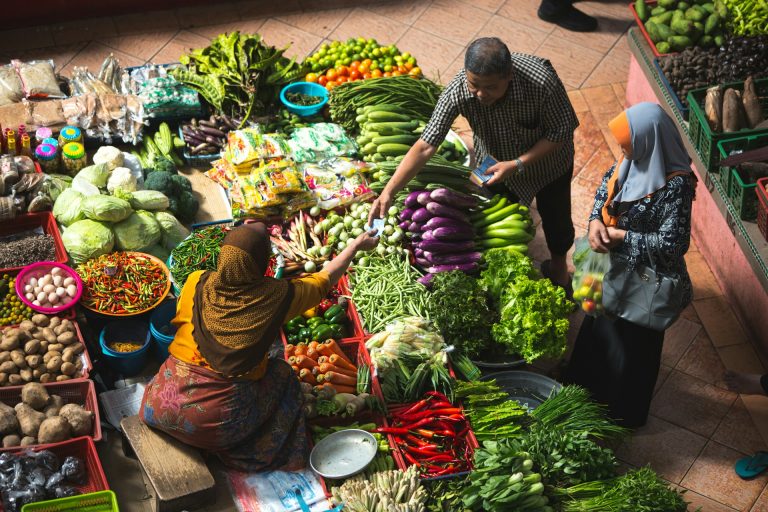
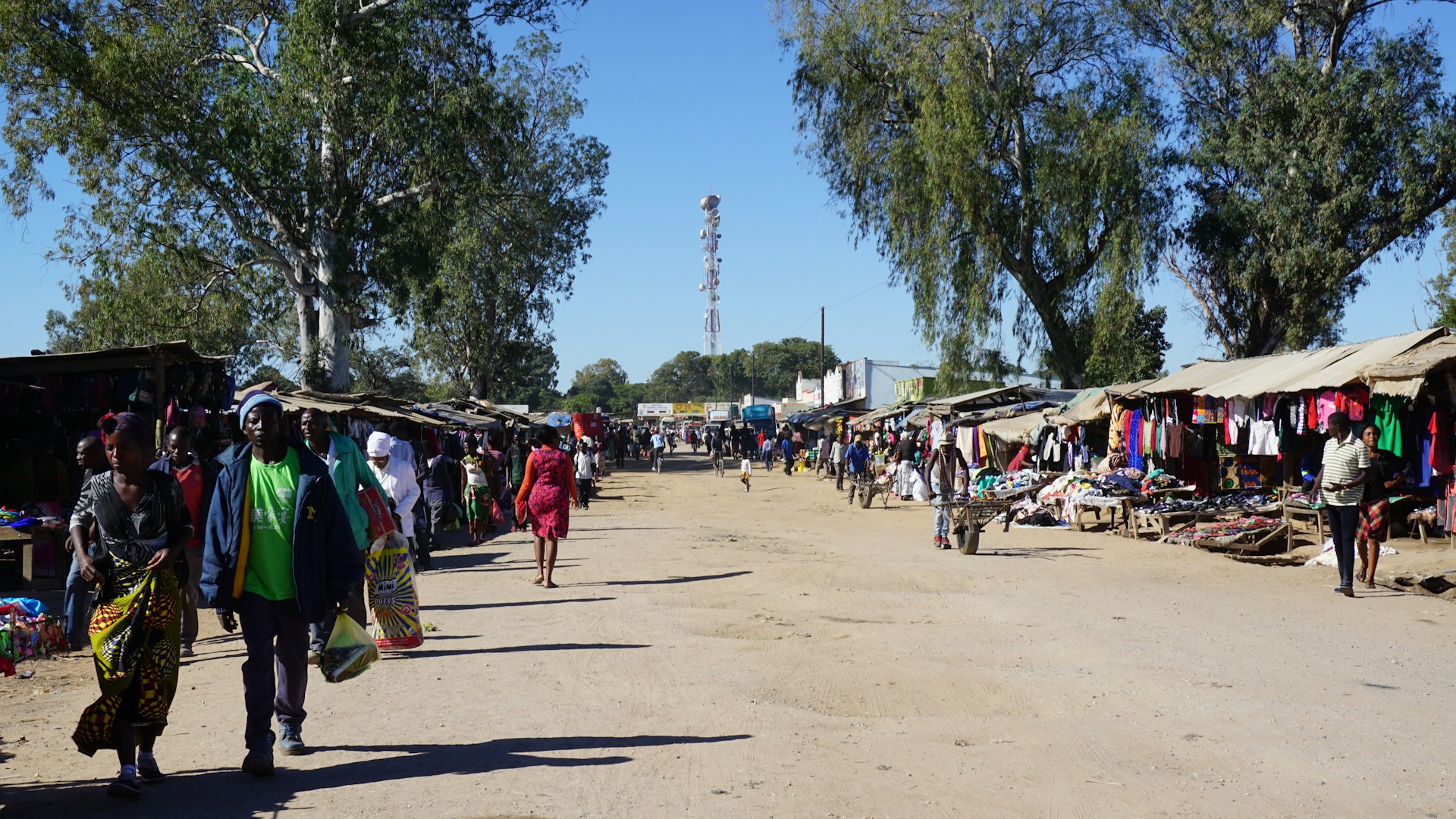
Makkala nguzu Market, Choma, Zambia. Photo by Seiko Yamada @ Unsplash
  • Zambia launches $1.3bn Eurobond buyback after debt restructuring.
  • Move signals shift from debt crisis to active debt management.


LUSAKA, ZAMBIAZambia is attempting something few African countries emerging from sovereign default have managed: turning debt recovery into a strategy for future growth.

This article is free to read.

Sign up for free or sign in to continue
reading. Unlike our competitors, we don't force you to pay
to read the news but we do need your email address to
make your experience better.

Create your free account or sign in


The government has launched a tender offer to repurchase part of a US$1.3bn Eurobond maturing in 2053, arguing that the transaction will reduce future debt-servicing costs, strengthen public finances and create fiscal space for investment in infrastructure and economic development.

The operation, backed by financing from the African Development Bank (AfDB) and domestic resources, represents one of Zambia’s most ambitious financial manoeuvres since completing its debt restructuring programme. Officials insist the buyback is not a response to immediate fiscal stress but rather a calculated effort to improve the country’s debt profile and avoid a return to the vulnerabilities that pushed it into default six years ago.

For much of the past decade, Zambia became a cautionary tale for emerging markets. After borrowing heavily through international capital markets between 2012 and 2015, issuing roughly US$3bn in Eurobonds to fund infrastructure and development projects, the country found itself overwhelmed by rising debt obligations, economic shocks and weakening revenues.

In November 2020, Zambia became the first African nation to default on its sovereign debt during the COVID-19 pandemic, triggering years of complex negotiations with bondholders, bilateral lenders and multilateral institutions.

Those negotiations culminated in debt restructuring agreements completed in 2024, which the government hailed as a turning point in restoring fiscal stability and investor confidence. The latest buyback suggests Lusaka believes the next challenge is not restructuring debt but managing it more effectively.

Government officials argue that reducing long-term obligations now will improve the composition of Zambia’s debt portfolio and enhance budget flexibility in the years ahead. The operation targets bonds that carry commercial and step-up interest rates, which become increasingly expensive over time.

By retiring part of those obligations early, authorities hope to lower future repayment pressures while freeing resources for strategic investments.

The move comes as Zambia seeks to consolidate economic gains achieved since restructuring. Inflation has moderated, foreign reserves have improved and confidence among development partners has strengthened. Yet the government remains under pressure to demonstrate that macroeconomic recovery can eventually translate into tangible improvements in living standards.

From debt restructuring to debt management

Economist and University of Zambia lecturer Professor Lubinda Haabazoka believes the buyback represents an important evolution in the country’s economic strategy.

“Repurchasing and permanently cancelling the bonds will reduce future debt obligations and eliminate long-term interest payments,” he told ZNBC.

Professor Haabazoka noted that the operation targets more than US$1.3bn worth of bonds issued under Zambia’s debt restructuring programme and that the instruments are considerably more expensive than concessional financing available through institutions such as the AfDB. According to him, the transaction, largely financed through a US$600mn AfDB facility, should significantly lower financing costs, improve debt sustainability and ease pressure on public finances.

“Lower debt servicing costs could create additional room in the national budget for investment in health, education, agriculture, infrastructure and other development priorities,” he said. The economist also described the AfDB’s involvement as an important vote of confidence in Zambia’s reform programme.

“He said the AfDB’s support demonstrates confidence in Zambia’s economic recovery efforts and the fiscal reforms being implemented by the Government.”

The broader significance extends beyond debt arithmetic.

The government has linked improved fiscal flexibility to investment in electricity infrastructure and transmission networks at a time when energy security remains one of the country’s most pressing economic challenges. Reliable power supply is critical for Zambia’s mining sector, which remains the backbone of export earnings, as well as manufacturing, agriculture and broader industrial development.

Officials therefore, view the transaction not merely as a financial exercise but as part of a longer-term growth strategy.

For investors, the buyback could serve as a signal that Zambia is seeking to rebuild credibility in international markets through proactive debt management rather than relying solely on restructuring agreements.

Successful execution may reinforce perceptions of fiscal discipline and strengthen confidence in the country’s long-term economic trajectory.

Yet challenges remain.

While macroeconomic indicators have improved, many Zambians continue to face high living costs and economic hardship. Opposition parties have acknowledged progress in stabilising public finances but argue that ordinary households have yet to feel the full benefits of the reforms.

That tension has become increasingly relevant as economic management emerges as a central theme ahead of the August elections.

The ruling United Party for National Development (UPND) has repeatedly highlighted debt restructuring, reserve accumulation, and improving economic fundamentals as evidence that its policies are working. Critics, however, contend that headline indicators tell only part of the story.

Recent Business

Makkala nguzu Market, Choma, Zambia. Photo by Seiko Yamada @ Unsplash
Can Zambia’s $1.3bn Eurobond buyback rewrite Africa’s debt narrative?
Read More »
The busy street of Kwame Nkrumah Circle, Accra, Ghana @ Pixabay
Ghana’s borrowing test deepens as investors demand higher returns
Read More »
Sammy Gyamfi, CEO of Ghana Gold Board. Photo credit: Ghana Gold Board
Sammy Gyamfi: the young CEO behind Ghana’s new gold revolution
Read More »

Recent Politics

Ambassador Berhanu Tsegaye, State Minister at the Ministry of Foreign Affairs of the Federal Democratic Republic of Ethiopia.
Opinion: Growth, peace and elections power Ethiopia’s next chapter
Read More »
A protester holding the Kenyan flag during a demonstration in Nairobi's streets. Photo: @Pexels
How Ruto’s fuel policies triggered public outrage in Kenya
Read More »
French President Emmanuel Macron and Kenyan leader William Ruto at the Africa Forward Summit. Photo @William Ruto/Facebook
Can France win Anglophone Africa after Sahel influence collapse?
Read More »

Latest Posts

Latest news insights