- Botswana production jumps 127%, powering De Beers’ global rebound
- US tariffs and trade headwinds weigh on diamond pricing outlook
GABORONE, BOTSWANA – De Beers reported a 38% quarter-on-quarter surge in diamond production for the third quarter of 2025, producing 7.7 million carats compared with 5.6 million a year earlier.
The surge was driven by a dramatic rebound in Botswana, according to official data.
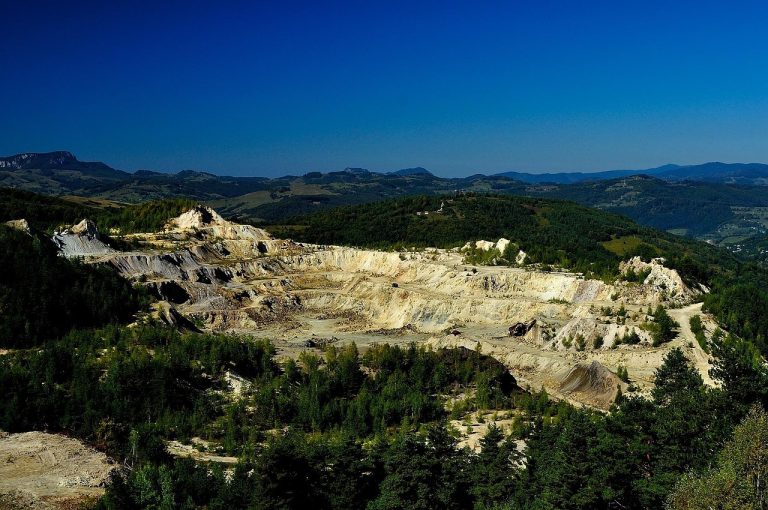
Production in the southern African nation soared 127% to 6 million carats, up from 2.65 million in the second quarter, as the company accelerated operations at its Jwaneng mine ahead of major maintenance scheduled for the final quarter. Higher-grade ore processing also helped cushion anticipated downtime.
Botswana leads, but global challenges persist
Botswana’s performance was the standout, with Jwaneng alone delivering 3.15 million carats – up 125% year on year – while Orapa added 2.88 million carats after recovering from a second-quarter shutdown. South Africa’s output climbed 28% to 0.66 million carats, supported by higher-grade underground ore, while Namibia remained steady at 0.46 million. Production in Canada, however, declined 15% due to the intentional treatment of lower-grade ore.
Despite tough global trading conditions, rough diamond sales reached 5.7 million carats, generating $700 million in consolidated revenue—more than triple the $213 million recorded in Q3 2024.
“Q3 production surge is a reaction to tactical play with operating constraints and market uncertainty,” said South Africa-based mining analyst Nandi Molefe. “It’s not just about the quantity in Botswana’s aggressive production strategy—it’s timing. With maintenance in Q4 looming and trade disruptions accumulating, De Beers is pre-positioning supply to stabilise its pipeline.”
The upbeat production comes amid shifting global trade dynamics. The United States recently imposed tariffs on Indian diamond imports—impacting the world’s largest cutting and polishing industry—and included natural diamonds in its Tariff Annex III, granting exemptions to partners such as the EU but leaving others uncertain.
While US consumer demand for natural diamond jewellery has remained steady, overall pricing pressure persists. De Beers’ year-to-date realised average price slipped 3% to $155 per carat, about 14% below its rough price index, despite continued appetite for value stones.
The company maintained its 2025 production forecast of 20–23 million carats and expects unit costs at $94 per carat, though much depends on tariff negotiations and midstream market recovery.
“The market is rebalancing,” Molefe said. “Supply is up, but pricing power is thin.”
As the final quarter approaches, De Beers and other producers face a delicate balancing act between operational discipline and geopolitical risk. Botswana’s stellar Q3 output could prove crucial in cushioning the industry from global uncertainty.