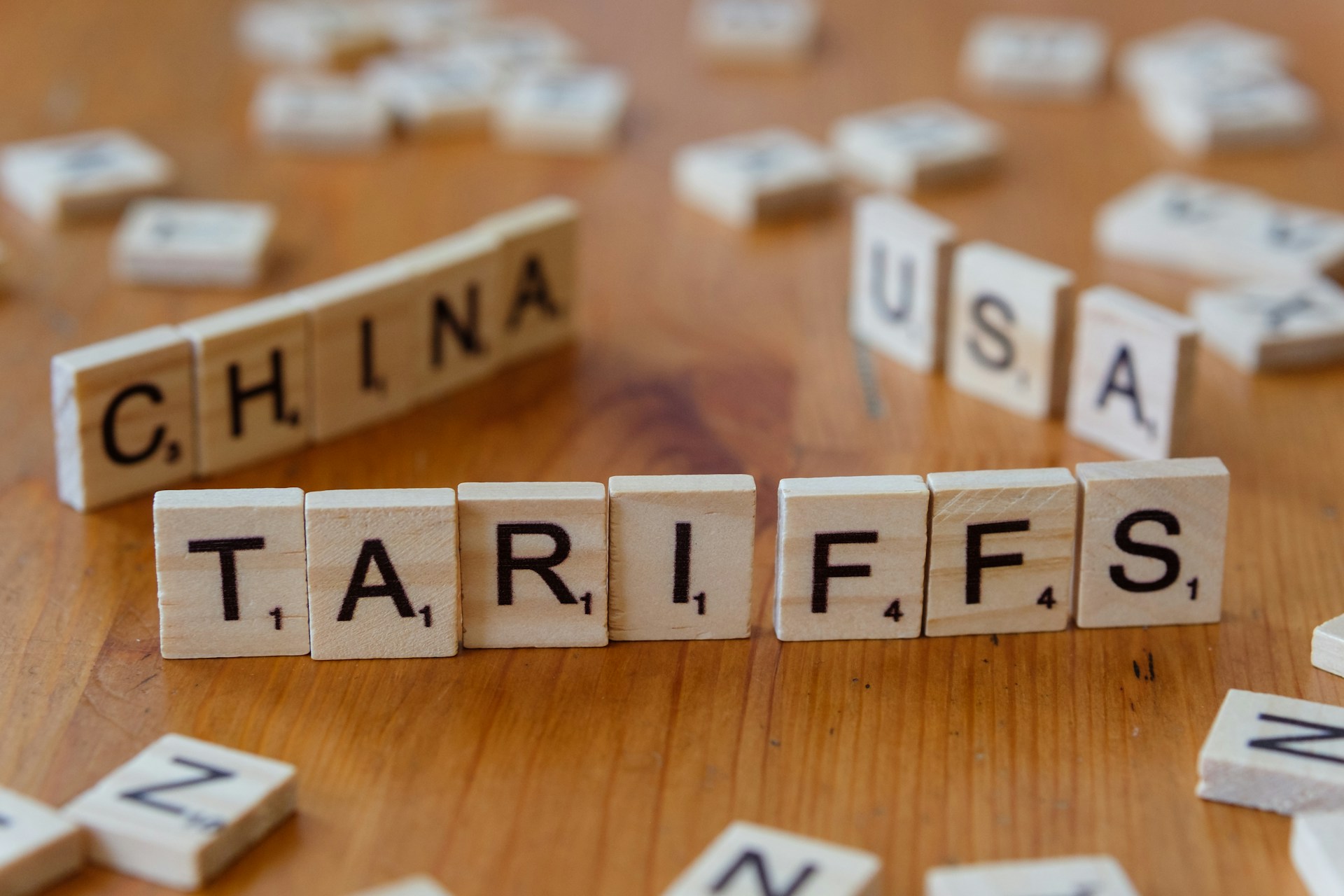
New US tariffs have rocked African economies, with some nations facing levies as high as 50%, threatening key exports, investor confidence, and fragile trade ties.
The United States’ new wave of tariffs, which kicked in on August 1 under President Donald Trump’s latest trade policy push, is sending shockwaves across Africa, threatening key industries, scaring off investors, and straining already fragile economies.
Other African nations will face baseline 10% tariffs, but countries like Nigeria, Angola, Ghana, and Zimbabwe now contend with 15% duties. Tunisia is set at 25%, while Algeria and Libya have also been pegged at 30%.
In total, at least 21 African countries have been affected by the new tariffs. Many of them had previously enjoyed duty-free access to the US under the African Growth and Opportunity Act (Agoa), which has now been effectively undercut.
“Under the initial tariff proposals, many African economies will see positive tariffs on most exports to the United States compared to the zero tariffs they previously enjoyed. This certainly will eliminate some export trade,” said Leslie Dwight Mensah, economist at the Institute for Fiscal Studies in an interview with Xinhua.
He warned that while the impact would vary by country, the disruption could be severe for those most reliant on US markets.
Investor anxiety and economic threats
With most African nations already grappling with inflation, high debt burdens and limited industrial bases, the new tariffs pose a serious threat to growth and job creation.
In Lesotho, the textile sector employs tens of thousands and supplies major US clothing brands. A 50% tariff could price its exports out of the market, forcing factory closures and mass layoffs.
South Africa’s automotive and farming sectors, which have long counted on Agoa preferences, face a similar squeeze. Pretoria had hoped that a framework deal offering US liquefied natural gas purchases and increased US poultry access would help stave off steep tariffs. But relations have soured over disagreements about South Africa’s racial equity laws, its criticism of Israel’s war in Gaza, and Trump’s inflammatory comments about white farmers.

“I’ve had a lot of problems with South Africa,” Trump told reporters this week, reiterating false claims of a white “genocide” and hinting he might skip the upcoming G20 summit in Johannesburg.
South African President Cyril Ramaphosa said his administration had “submitted a framework deal” and was “finalising a package to support companies that are vulnerable to the reciprocal tariffs.”
Tariff summary for African countries:
50%: Lesotho
30%: South Africa, Algeria, Libya
25%: Tunisia
15%: Nigeria, Angola, Botswana, Cameroon, Chad, Ivory Coast, DR Congo, Equatorial Guinea, Ghana, Madagascar, Malawi, Mauritius, Mozambique, Namibia, Uganda, Zambia, Zimbabwe
10%: Kenya and others pending negotiations
Can Africa look elsewhere?
Analysts say the tariffs expose a deeper problem: Africa’s overdependence on unilateral trade preferences from major powers. With Washington’s turn inward, the continent must decide whether to seek better deals elsewhere or to build stronger regional alternatives.
“Africa cannot afford to be caught in the crossfire of great power politics without a strategy,” said Douglas Brew, a trade policy expert based in Accra. “We need to rethink who we rely on.”
The European Union remains an option. It has longstanding trade agreements with most African states through Economic Partnership Agreements (EPAs), although these have faced criticism for favouring EU exporters.
Asia, particularly China and India, have increased their trade footprint across the continent. But critics argue these ties are heavily skewed toward raw material exports, with limited value addition.
Another option is for Africa to rally through the African Union and the African Continental Free Trade Area (AfCFTA) to negotiate directly with the US – not as fragmented states, but as a unified economic bloc.
“A coordinated AU-led response could carry more weight in Washington than 50 separate bilateral pleas,” Brew told Allen Dreyfus.
What lies ahead?
William Lee, chief economist at the Milken Institute, told CNN that the ultimate burden of Trump’s tariffs remains unclear.
“It could fall on the American consumer, the American importer or the foreign exporter depending on the product,” he said. “We are one of the largest markets for many of our imported products and if we decide to buy less of it, the prices are going to go down.”
For African countries, however, the math is more urgent. Without a quick trade resolution or alternative export markets, the continent faces shrinking revenues, job losses, and growing disillusionment with US policy – just as global competition for influence in Africa intensifies.