- Non-compliance with sustainability protocols could jeopardize Nigeria’s cocoa exports
- Local farmers strive to meet international standards amidst warnings
Lagos, Nigeria – Nigeria, a leading cocoa producer, risks losing $20 billion in cocoa exports within the next three years due to concerns over processing and sustainability. This warning was issued by Rabiu Olowo, Executive Secretary and Chief Financial Officer of the Financial Reporting Council of Nigeria, and Ahmed Munir, a federal lawmaker and member of the House of Representatives Committee on Commerce.
Olowo emphasised the importance of adopting sustainability protocols in cocoa farming. He warned that failure to align with these protocols could affect the processing and acceptance of Nigeria’s cocoa products in Europe. “Neglect of the protocol will impact the processing and acceptance of our products in Europe,” Olowo noted.
Farmers’ Efforts and Challenges
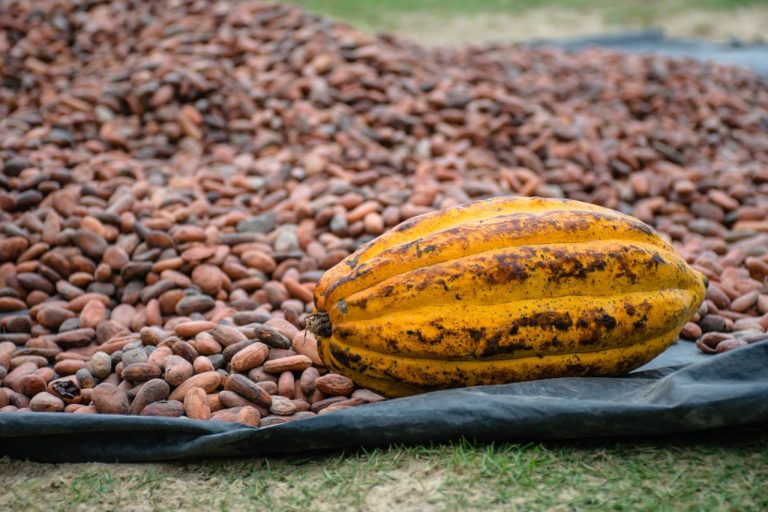
Local cocoa farmers, however, are making efforts to meet international standards. Richard Ndoma, a cocoa farmer from Ikom Local Government Area in Cross River State, explained that farmers are “trying their best” to ensure the quality of their cocoa beans.
“We are spraying our farms with the appropriate chemicals to prevent the pods from being attacked by black pod disease. Beans from pods attacked by black pod disease have a bad flavour,” Ndoma told Allen Dreyfus.
Ndoma also detailed the fermentation process used to achieve good flavour. “To achieve good flavour, we ferment the beans for three days by covering them well,” he said. Local task forces organized by cocoa-producing communities play a crucial role in maintaining quality standards, detecting and downgrading or rejecting substandard beans.
Sustainability Measures and International Standards
Regarding deforestation, Ndoma mentioned that farmers are taking steps to retain tall trees on their farms to provide a canopy for the cocoa trees. “We are encouraged to leave at least 10 trees per hectare to provide a canopy to the cocoa trees,” he explained, noting that cocoa trees under such canopies can live for up to 70 years.
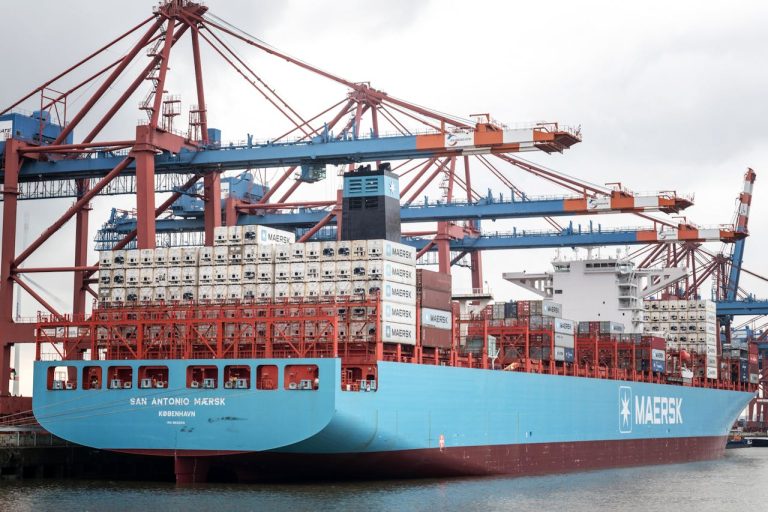
Nigeria is the fifth-largest producer of cocoa worldwide, following Côte d’Ivoire, Ghana, Ecuador, and Indonesia, according to Statista. The Nigerian Export Promotion Council notes that almost 90% of Nigerian cocoa exports are unprocessed cocoa beans, with cocoa butter and cocoa paste also being significant exports.