- Presence of Jubaland forces in Mandera disrupts cross-border trade
- Analysts warn Kenya risks repeating costly diplomatic fallout with Somalia
NAIROBI, KENYA – Tensions are rising on the Kenya-Somalia border after the reported presence of Jubaland forces in Mandera disrupted the lucrative khat trade, raising fears of renewed diplomatic strains.
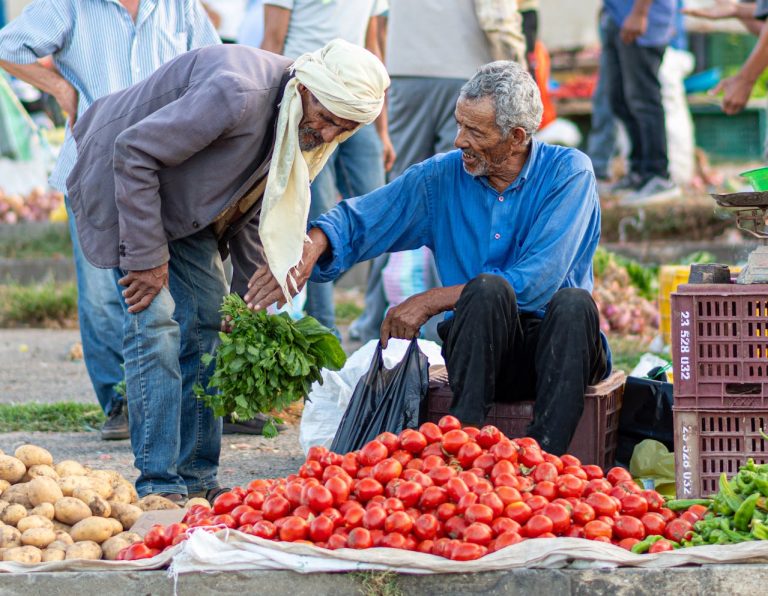
Somalia is Kenya’s biggest external market for khat, a mild stimulant grown in Meru in eastern Kenya. In 2024, Kenya exported $38.5 million worth of goods to Somalia, out of $638 million in total exports to East African Community states.
The crop alone contributes more than $100 million annually to Kenya’s revenue, according to the Agricultural and Food Authority (AFA).
Kenya shipped 1,115 tonnes of khat to Somalia last year, up 5.1 percent from 2023. But that fragile progress is now under threat. The Mandera border point, usually buzzing with trucks ferrying goods, has gone quiet since Jubaland forces were spotted in late August.
“We are living in fear… we feel threatened,” said Ahmed Ali, a Mandera resident. “Trading activities have been affected.”
Mandera Governor Adan Khalif has demanded the immediate withdrawal of the troops, warning that his county should not be “turned into a battleground for Somalia.”
“Mandera cannot be turned into a battleground for Somalia. We have no interest in Somalia except peace. If the forces are not removed immediately, we will take action ourselves,” Khalif said.
The Kenyan government has played down the concerns. “Every time there’s conflict on the Somalia side, it spills over and affects Kenya,” Interior Security Minister Kipchumba Murkomen said on September 3.
“We have good working relations with Somalia, but we cannot confirm where these forces belong without proper security analysis.”
Jubaland Vice President Mohamed Sayid also dismissed the reports.
Risk of another diplomatic rift
The row comes barely three years after Mogadishu lifted a two-year ban on Kenyan khat imports, which had slashed farmers’ incomes and forced Nairobi into negotiations.
Analysts warn history could repeat itself. “If this situation is not handled properly, it risks re-igniting past diplomatic and economic fissures between Kenya and Somalia,” said Wambiji Lubanga, a geopolitical analyst. “Normally, Kenya, being a bigger economy than Somalia, will suffer more.”
For Kenyan farmers, the standoff is déjà vu. The fear is that politics, once again, could choke off their most important market.