- $500mn loan aims to transform regional infrastructure and boost integration
- Economists warn of governance, security, and cost overrun risks
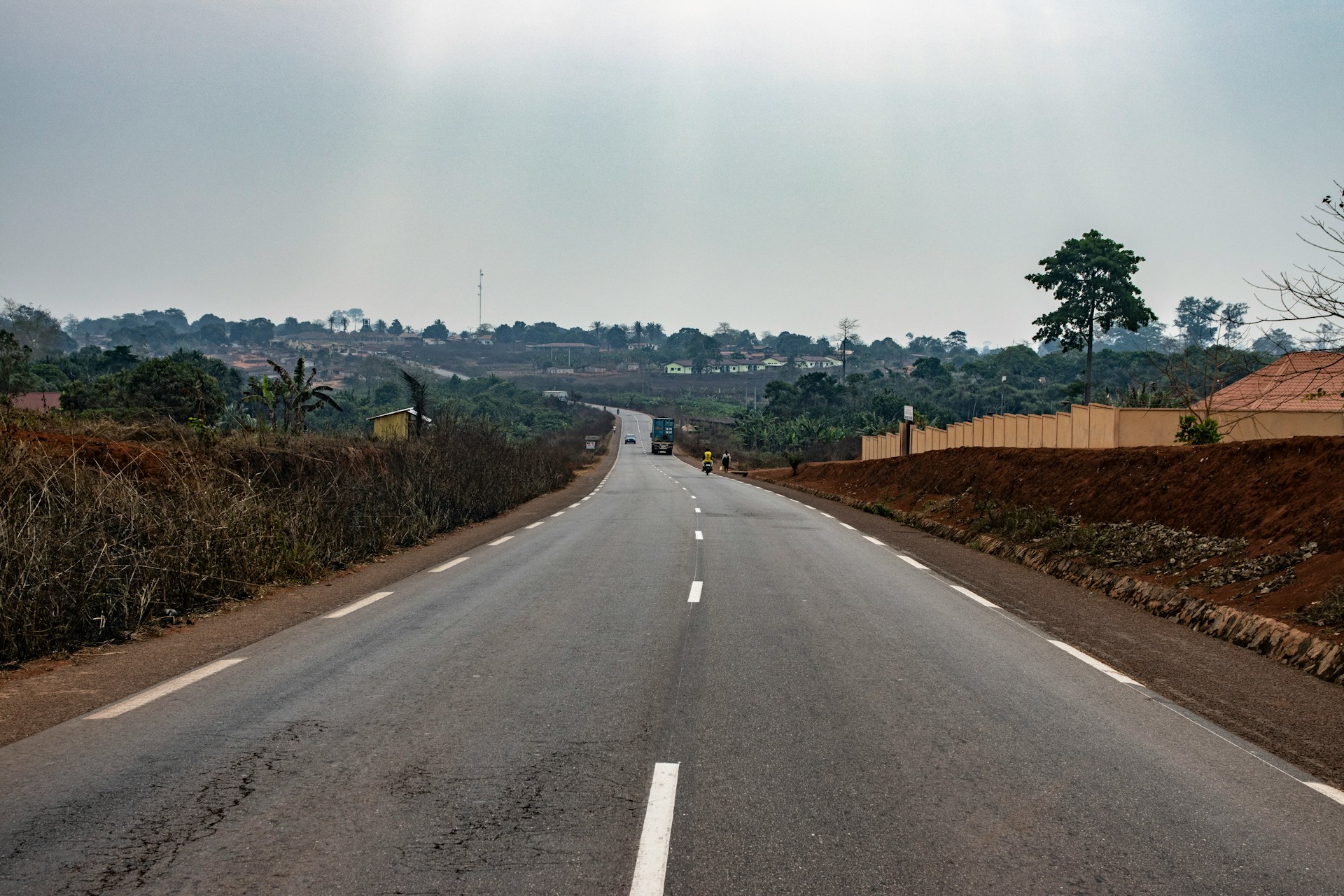
KINSHASA, CONGO – The Democratic Republic of Congo has requested $500mn in financing from the World Bank to fast-track its flagship “Corridor” project – a major infrastructure initiative designed to strengthen trade routes.
The government says the funding is crucial to unlocking growth and connecting the DRC’s vast but underdeveloped territories to regional markets. But analysts caution that while the project could drive transformation, it also risks reproducing old economic pitfalls if not properly managed.
Congolese academic economist Patrick Mbuyamba told Allen Dreyfus the investment represents a double-edged opportunity.
“This investment can play a role in infrastructure development while helping to open up productive regions,” he said. “On the positive side, the corridors create a more predictable environment for investors, with the potential to develop special economic zones along the route.”
However, he warned that the project’s sequencing could backfire if not aligned with broader industrial reforms. “A corridor can simply facilitate the export of raw materials and risk reproducing the extractive model without added value,” Mbuyamba said.
“We can talk about a governance challenge, given the history of diversions and mismanagement of major projects. There is a need for robust transparency mechanisms. I am not ready to invest such a sum on the corridor when it could be used in education, health or family farming,” he added.
The economist also pointed to security threats that could derail construction, especially in the east where armed groups remain active. “If the corridor crosses areas affected by conflict, the security of workers, equipment and infrastructure becomes an immense challenge,” he said. “Work can be delayed, stopped, or even destroyed.”
Beyond instability, he cited potential managerial and financial risks including cost overruns, underestimated feasibility studies, and global inflation that could push the budget far beyond projections.
“The Congolese corridor is much more than just a road project,” Mbuyamba added.
“It is a project of national and regional transformation that addresses the roots of instability and underdevelopment in eastern DRC.
“While its transformative potential – peace, legal resource exploitation, regional integration – is immense, its challenges are of a magnitude that make it far more complex and riskier than similar projects such as the Abidjan-Lagos corridor. Success will depend not only on money, but also on unwavering political will, tangible improvements in security, and impeccable management of funds,” he said.