- Senegal targets debt-to-GDP ratio of 101% by 2028
- Economist urges transparency in guarantees and spending discipline
DAKAR, SENEGAL – Senegal is charting a path to stabilise its public debt after years of sharp increases linked to major infrastructure projects, according to new government projections.
The debt-to-GDP ratio is expected to stabilise at about 101% by 2028, helped by robust growth and upcoming oil and gas revenues.
Dr Seydou Bocoum, economist and Vice President of the Laboratory for Economic and Monetary Research (LAREM) at Cheikh Anta Diop University, said the country can maintain its development trajectory while curbing debt levels.
“Senegal can maintain its pace of development while curbing its debt, particularly thanks to the rebasing of the 2024 GDP, which has not yet been published and should mechanically lower the debt/GDP ratio from 2026 onwards,” Bocoum told Allen Dreyfus.
He added that this statistical revision, combined with sustained growth of about 6% according to the IMF, “will make it possible to stabilise the debt at around 101% by 2028, provided that budgetary discipline is maintained, that unproductive spending is controlled, and that the quality of public investment is strengthened.”
Oil and gas prospects to ease fiscal strain
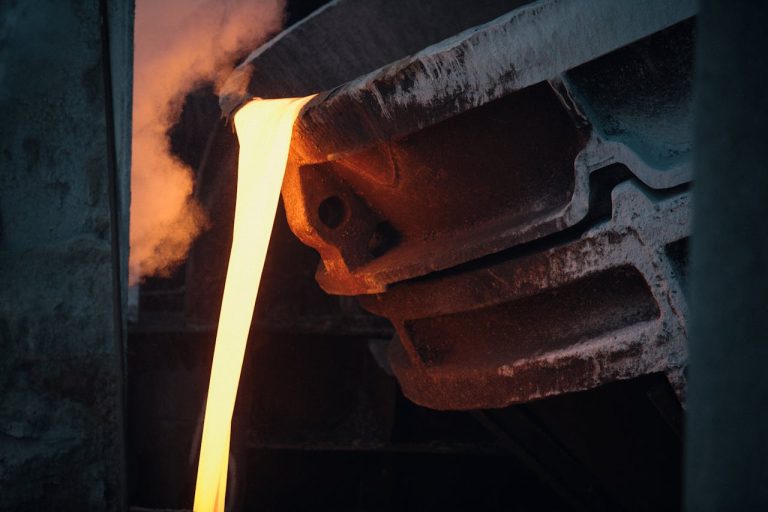
Bocoum said past investments in energy and transport will begin to yield results in the medium term, especially as production starts at the Sangomar oil field and the Greater Tortue Ahmeyim (GTA) gas project.
“These projects will bring export revenues, dividends, and taxes that will ease the pressure on public finances, provided that contract management is transparent and that the revenues are used to diversify the economy rather than finance current expenditures,” he said.
The economist also cautioned that the greatest risk to Senegal’s debt path lies outside the official accounts.
“The main risk to the debt trajectory comes from off-balance-sheet commitments, particularly state guarantees and public-private partnerships,” Bocoum warned. “These contingent debts, if not properly managed, can become actual debts and increase the budgetary burden, as previous cases of hidden debt have shown.”
He called for the publication of a comprehensive register of guarantees and greater transparency around public enterprise commitments.
Balancing growth and fiscal discipline
Bocoum noted that while oil and gas are fuelling short-term growth, Senegal’s economic expansion remains broad-based. Services, agriculture, telecommunications, and construction continue to power domestic demand, creating opportunities beyond hydrocarbons.
He said the key challenge is transforming hydrocarbon revenues into long-term economic levers. “The challenge lies in transforming hydrocarbon revenues into levers for economic diversification, in order to avoid dependence on natural resources and to consolidate more inclusive and sustainable growth,” Bocoum said.
Senegal’s efforts to rein in debt while maintaining growth could set an example for other African economies struggling to balance fiscal consolidation with development ambitions.