- Rising debt and FATF grey list cloud investor confidence
- Fiscal pressures strain South Africa’s $90 billion 2024/25 budget
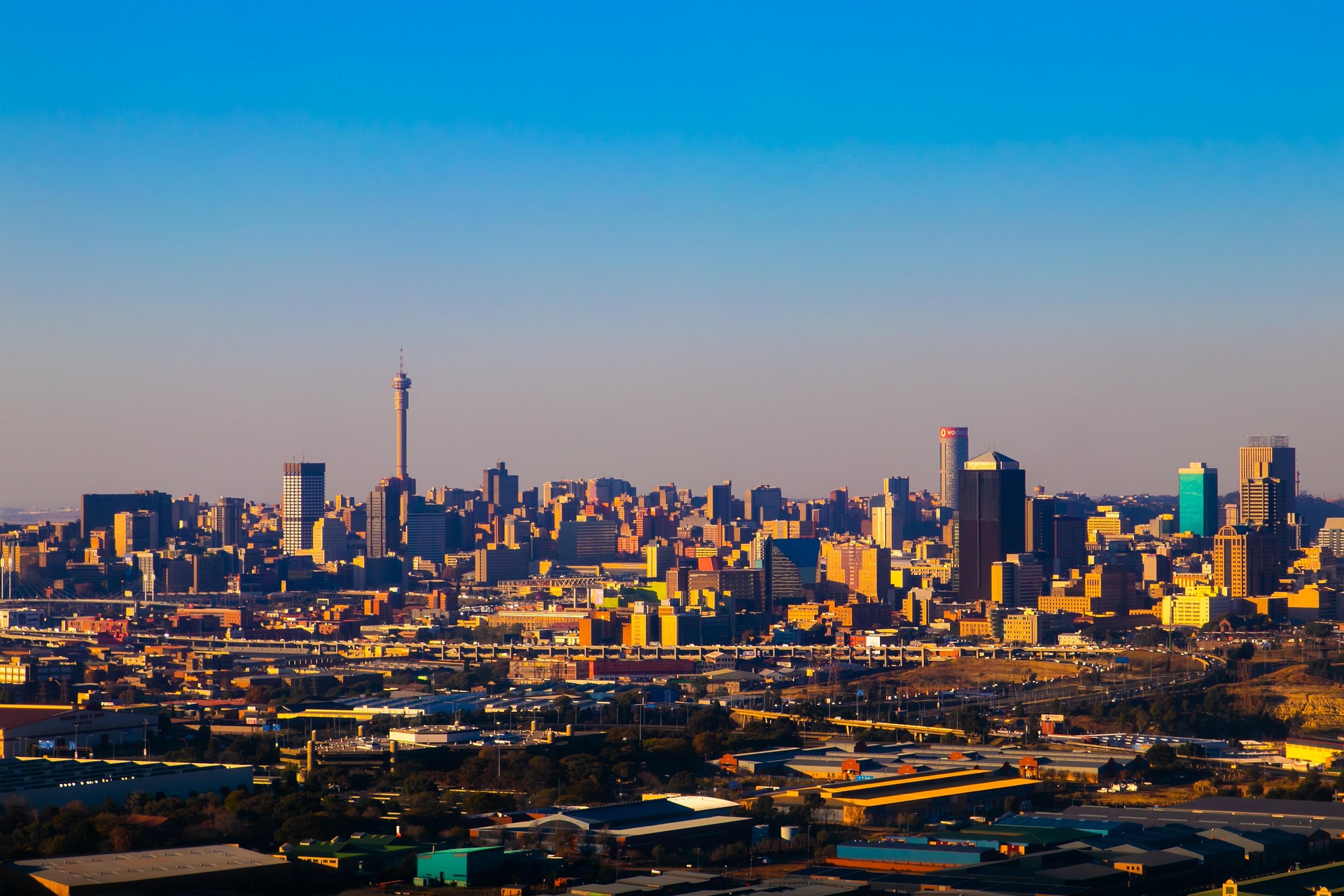
JOHANNESBURG, SOUTH AFRICA – South Africa’s $90 billion 2024/25 budget has heightened global concerns over the country’s debt levels, fiscal health, and its ability to attract foreign investors.
The National Treasury’s latest figures show growing financial strain, with debt-service payments nearing $20 billion and borrowing needs reaching $29 billion. While government bonds remain appealing to investors, South Africa’s place on the Financial Action Task Force (FATF) grey list continues to weigh on confidence.
Gross loan debt is expected to hit 76.2% of GDP in 2025/26, up from 75.3% the previous year. Interest payments now take up more than 20% of government revenue — a sign that spending promises are outpacing income collection.
The government plans to raise R553 billion ($29 billion) through domestic bonds and foreign loans, a move that could push up borrowing costs and limit private investment.
“One issue South Africa in particular has is the sharp increase in government debt, in relation to the GDP,” said Professor Jannie Rossouw of the University of the Witwatersrand Business School. “Another connected issue is the increasing interest burden due to the increase in the debt.”
Investor appeal meets caution
Despite the risks, South African government bonds still offer more than 4% real returns – a strong lure for global investors seeking higher yields. However, the country’s ongoing inclusion on the FATF grey list – for weaknesses in its anti-money laundering and counter-terrorism financing systems – remains a major red flag.
“The yield on South African government bonds is relatively appealing,” Rossouw said. “However, a constraining factor is that South Africa is still on the FATF grey list.”
The listing has raised compliance costs and dampened cross-border capital inflows, adding to the country’s economic challenges.
For many emerging market investors, South Africa serves as a guide to wider developing-world trends. But the mix of high debt, policy uncertainty, and regulatory scrutiny has made investors more cautious.
Analysts say South Africa’s ability to fix its finances and clear its name from the FATF list will be key to restoring trust and keeping investment flowing into its markets.