- Uganda’s fruit and vegetable exports hit nearly $88mn in 2024
- Rwanda overtakes Europe as top market for Ugandan produce
KAMPALA, UGANDA – Uganda’s horticulture industry has reaped gains over the past decade, with export revenues for fruits and vegetables rising 152% to nearly $88 million in 2024, fuelled by regional trade and market diversification.
According to the Bank of Uganda, earnings have climbed from $32.1 million in 2015, underscoring the sector’s transformation into a pillar of economic growth.
A decade ago, Europe was Uganda’s primary destination for horticultural exports, with the United Kingdom absorbing 27% and the Netherlands 10%. Today, Rwanda has emerged as the largest buyer, accounting for 27% of exports, while the UK’s share has dropped to 13% and the Netherlands to just 2%.
“The current momentum reflects growing commitments by African countries to strengthen their own markets,” said Jonathan Lubega, a policy analyst at SEATIN. “We are seeing increasing country commitments towards the African market, particularly through the African Continental Free Trade Area (AfCFTA), which aims to harmonise trade and create intercontinental markets.”
The reopening of the Uganda-Rwanda border was pivotal. Export revenues surged from $54 million in 2022 to $75 million in 2023, before climbing again in 2024.
Product diversification and investment
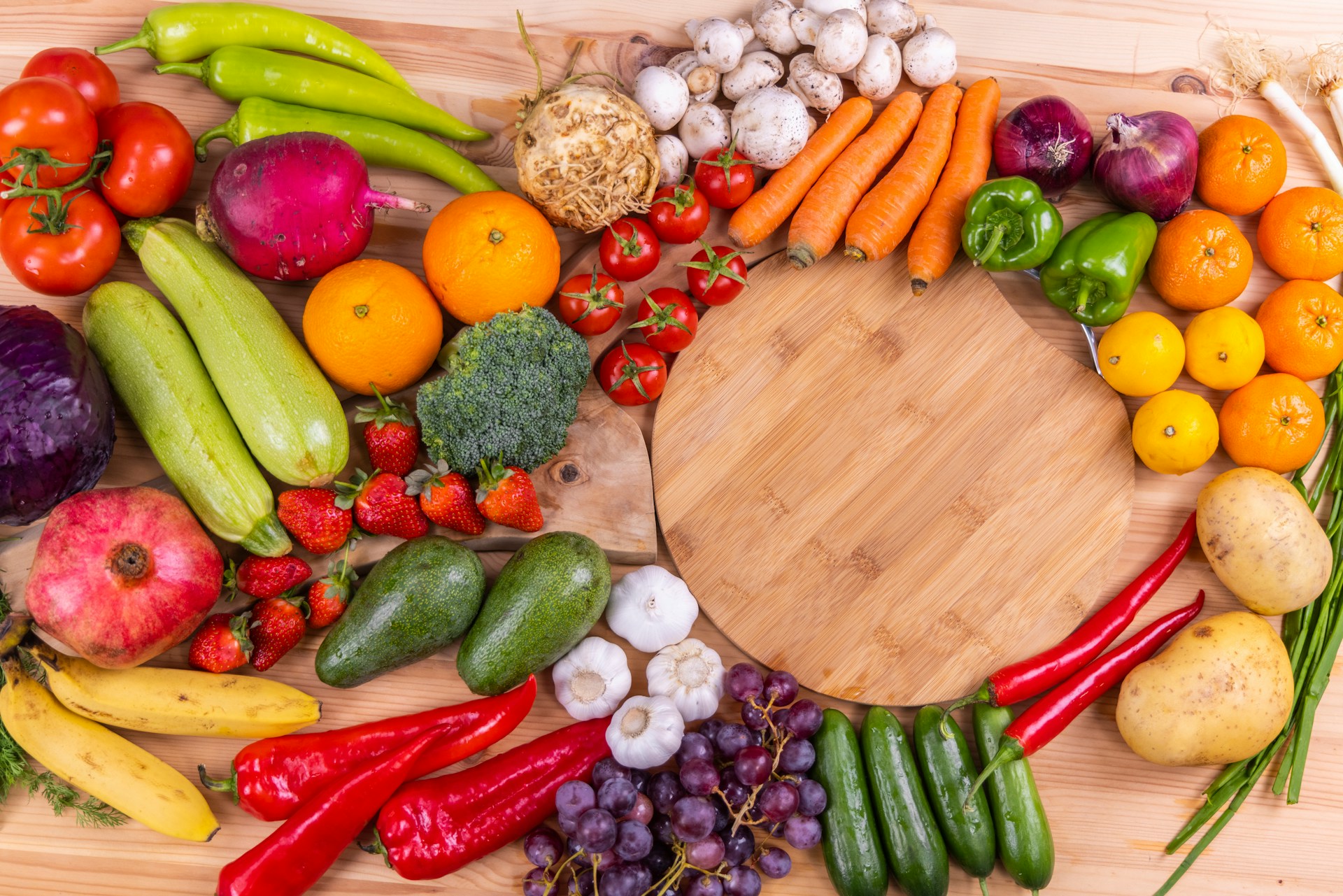
Uganda’s exporters have moved beyond staples like cassava and tomatoes to higher-value crops including hot peppers, pineapples, passion fruits and Hass avocados. Avocados and capsicums, once marginal, are projected to contribute 15% and 5% of export earnings respectively by 2025.
This dual strategy allows Uganda to supply bulk vegetables and tubers to regional neighbours while selling premium fruits and peppers to Europe, the UK and the Middle East. Markets such as Qatar and Oman have become key buyers of Uganda’s premium produce.
Behind the expansion is targeted investment. Presidential Advisor Odrek Rwabogo has spearheaded avocado farming initiatives, while the government has installed cold storage facilities at Entebbe International Airport and trained more than 1,400 farmers in meeting EU sanitary and phytosanitary standards. Products like chillies, mangoes, basil, bitter gourd and okra are now gaining entry into lucrative Gulf and EU markets.
Lubega cautioned, however, that long-term resilience will depend on reducing overreliance on Western markets.
“The Global North is constantly pushing its own agenda,” he said. “African countries should create stronger markets within the continent itself. That is where real resilience and opportunity lie.”