- Senegal’s proposed energy support more than triples as fiscal pressures deepen.
- Bond investors face fresh risks as governments resist passing on fuel costs.
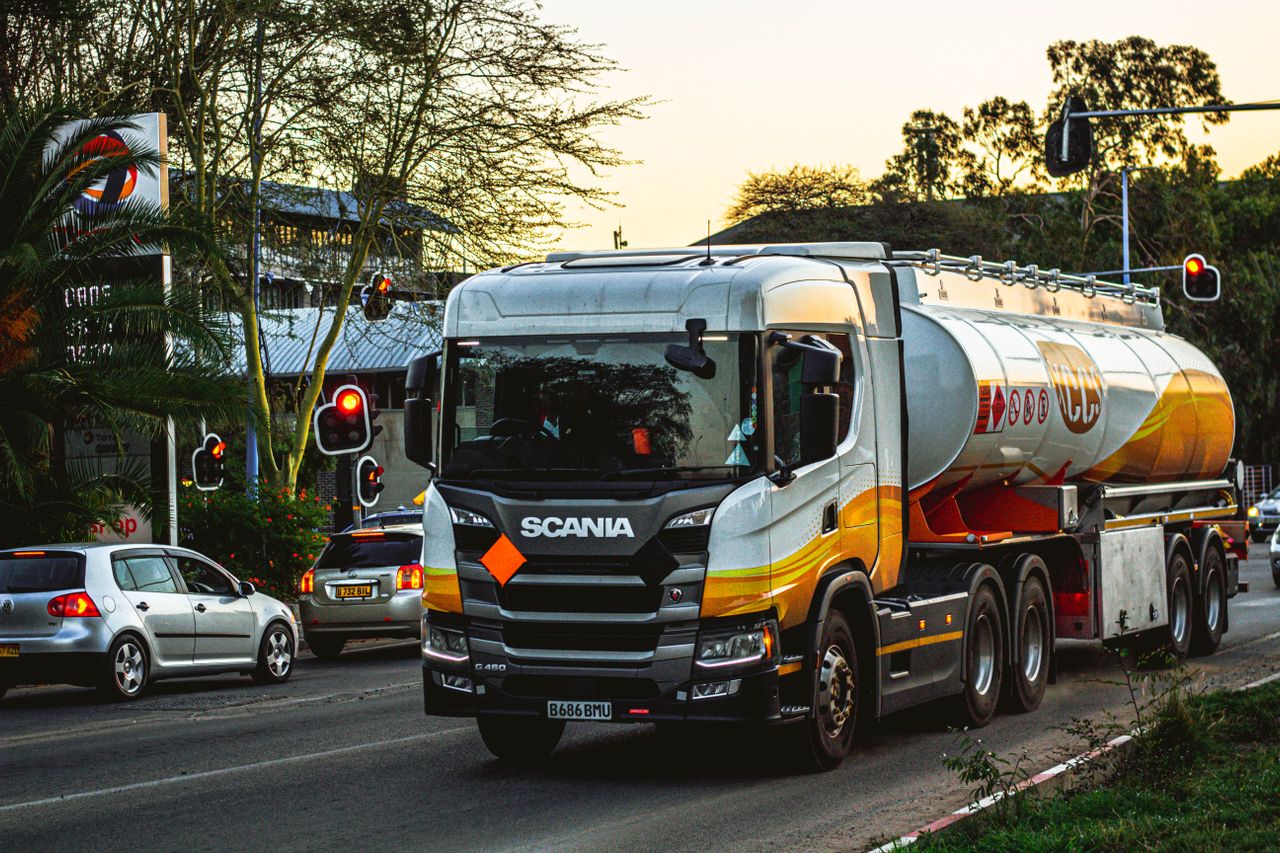
DAKAR, SENEGAL – Senegal’s energy-subsidy allocation has more than tripled, exposing the cost of protecting West African households from expensive fuel while governments promise tighter budgets.
The World Bank said on October 28 that Brent crude would average $91 a barrel in 2026, up from $69 in 2025, before easing to $79 next year. An adverse scenario puts oil at $105 in 2027, threatening fiscal plans across the region.
This article is free to read.
Sign up for free or sign in to continue
reading. Unlike our competitors, we don't force you to pay
to read the news but we do need your email address to
make your experience better.
Create your free account or sign in