- Bailouts in energy sector draining public finances
- Cocoa debts add to Ghana’s fiscal fragility
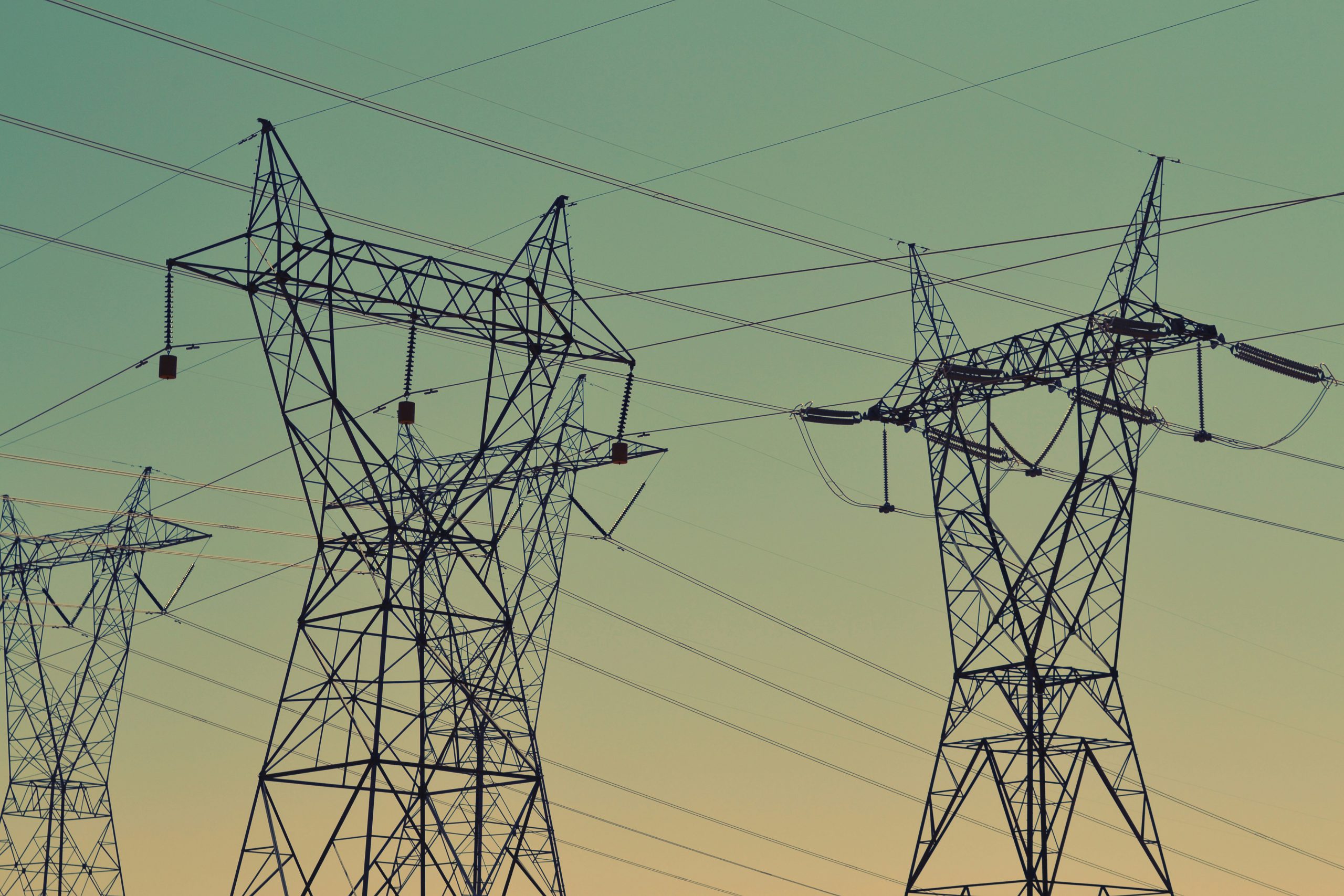
ACCRA, GHANA – The World Bank has warned that Ghana’s ballooning bailouts in the energy sector could exceed $2 billion by 2026 unless long-delayed reforms are implemented.
Robert Taliercio, the Bank’s country director for Ghana, Sierra Leone and Liberia, said Ghana spent $1.4 billion in 2024 to cover shortfalls in the power sector – equivalent to about 2% of GDP.
“Every month of delay is extremely costly for the nation,” Taliercio said at the launch of the World Bank’s 2025 Policy Notes in Accra. “The insufficient progress on reforms is raising macro-financial risks.”
Losses at state-owned utilities have deepened the strain. The Electricity Company of Ghana posted a loss of GH¢10.2 billion in 2022 – a 433.5% surge from the previous year – largely due to technical inefficiencies, poor revenue collection and delayed tariff adjustments. The Northern Electricity Distribution Company also reported widening losses.
The International Monetary Fund estimates a $2.2 billion financing gap in the energy sector by end-2025, with total debts already above $5.6 billion. Government efforts to hike tariffs and improve collections have been undermined by persistent arrears and concerns over transparency.
Cocoa adds to fiscal woes
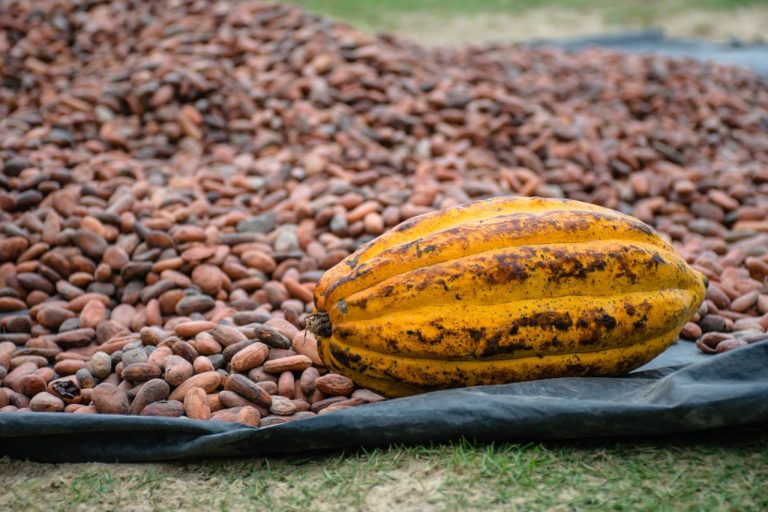
Beyond energy, Ghana’s cocoa sector is piling pressure on public finances. The Ghana Cocoa Board (COCOBOD) owes about GH¢32.5 billion as of early 2025, with GH¢9.7 billion due by September. The liabilities stem from rolled-over contracts and weak global prices, which together caused losses of more than $1.3 billion for COCOBOD and farmers.
Expenditure on cocoa roads, amounting to GH¢21.7 billion, has swelled the debt load, while agrochemical suppliers are owed over $400 million. Despite clearing GH¢2 billion in coupon arrears, COCOBOD faces continuing lawsuits and delayed payments.
Costly borrowing weighs heavy
The World Bank urged Ghana to shift financing away from expensive domestic borrowing toward concessional loans. Domestic short-term debt carried average interest rates of 27.4% in 2023–2024, compared with 0.75% to 2% for World Bank funding. Even after yields fell to 11.9% in September 2025, concessional borrowing remains cheaper.
“The choices Ghana makes now can unlock a generation of inclusive, resilient growth,” Taliercio said.
The Policy Notes stressed that without ambitious reforms in energy, cocoa and revenue mobilisation, Ghana risks repeating cycles of fiscal stress that undermine growth and investor confidence.